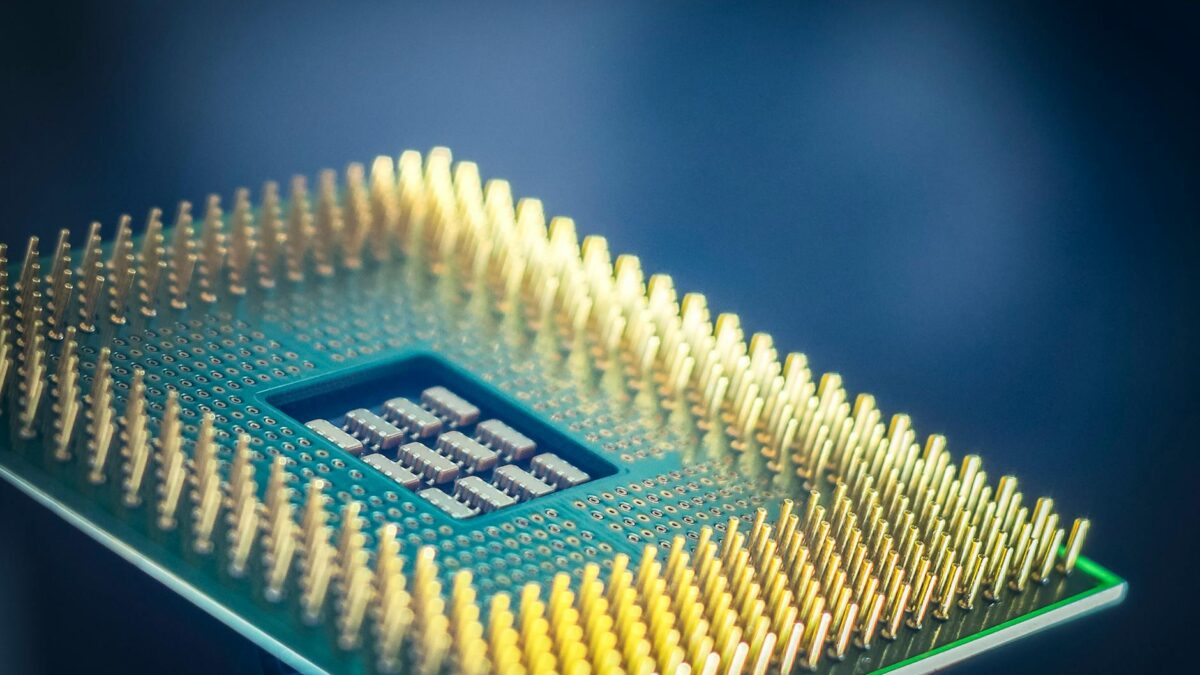
Google’s Ambitious Move to Enhance AI Performance
In a significant move that could reshape the competitive landscape of artificial intelligence, Google has announced plans to develop new chips designed to accelerate AI processing. This initiative comes on the heels of recent partnerships with industry giants Meta and Anthropic, underscoring Google’s commitment to solidifying its position in the AI sector. As AI technology continues to evolve at a rapid pace, this development highlights the increasing importance of specialized hardware in achieving superior performance.
The Need for Speed in AI
The demand for faster processing capabilities in AI applications has never been greater. With businesses, researchers, and developers relying on AI for various tasks—from natural language processing to image recognition—speed and efficiency are critical. Google’s push to create its own chips is a strategic response to the growing reliance on artificial intelligence and the competition posed by established players like Nvidia.
Nvidia’s Dominance in AI Hardware
Nvidia has long been recognized as a leader in the AI hardware market, particularly with its Graphics Processing Units (GPUs) that are extensively used for machine learning tasks. The company has capitalized on the AI boom, making significant strides in developing chips that cater specifically to the needs of AI applications. However, Google’s entry into this space could disrupt Nvidia’s stronghold, especially if it can deliver chips that match or exceed Nvidia’s performance capabilities.
Recent Partnerships: A Catalyst for Innovation
Google’s recent collaborations with Meta and Anthropic are not mere alliances; they represent a strategic shift towards creating a more robust AI ecosystem. These partnerships are likely to influence the design and functionality of Google’s upcoming chips. By working closely with companies that are at the forefront of AI research and application, Google can better understand the specific requirements of AI workloads and tailor its hardware accordingly.
The Impact of AI Chips on Performance
Custom-designed chips can significantly enhance the performance of AI systems. By optimizing hardware to handle the specific demands of machine learning algorithms, Google aims to deliver faster, more efficient processing capabilities. This could result in shorter training times for AI models, enabling developers to iterate and deploy applications more quickly. Ultimately, this could lead to more innovative solutions and applications across various industries.
Challenges Ahead for Google
While the development of new AI chips presents exciting opportunities, it is not without challenges. The semiconductor industry is highly competitive, and creating cutting-edge chips requires substantial investment in research and development. Additionally, Google will need to ensure that its chips are compatible with existing AI frameworks and software to attract developers and businesses to adopt its technology. Moreover, Nvidia is not likely to sit idly by; the company will undoubtedly respond with its own innovations to maintain its market position.
The Role of Open-Source AI Frameworks
Another factor that could influence Google’s success in the AI chip market is the growing trend towards open-source AI frameworks. The adoption of platforms like TensorFlow, which Google has developed, allows for easier integration of new hardware with existing software. This could provide Google with a competitive edge, as developers may prefer using a chip that seamlessly integrates with their tools and workflows.
Looking Ahead: What This Means for the AI Industry
Google’s pursuit of advanced AI chip technology is a clear indicator of the direction the AI industry is heading. As companies increasingly invest in hardware that can support sophisticated AI applications, we can expect to see more players enter the market. This could lead to a more diverse ecosystem of AI solutions, characterized by increased competition and innovation.
In a landscape where speed and efficiency are paramount, the ability to harness specialized hardware could be the differentiating factor for companies striving to stay ahead. Google’s initiative to produce its own AI chips underscores the vital role that hardware will play in the future of artificial intelligence.
Conclusion: A New Era for AI Hardware
As Google embarks on this ambitious project, the stakes are high. The outcomes of their efforts could redefine how AI applications are developed and deployed, not just for Google, but for the entire industry. With the potential to challenge Nvidia’s dominance, Google’s new chips may usher in a new era of AI hardware innovation, ultimately benefiting developers and consumers alike.