Enduring RAM Shortage: What It Means for the Tech Industry
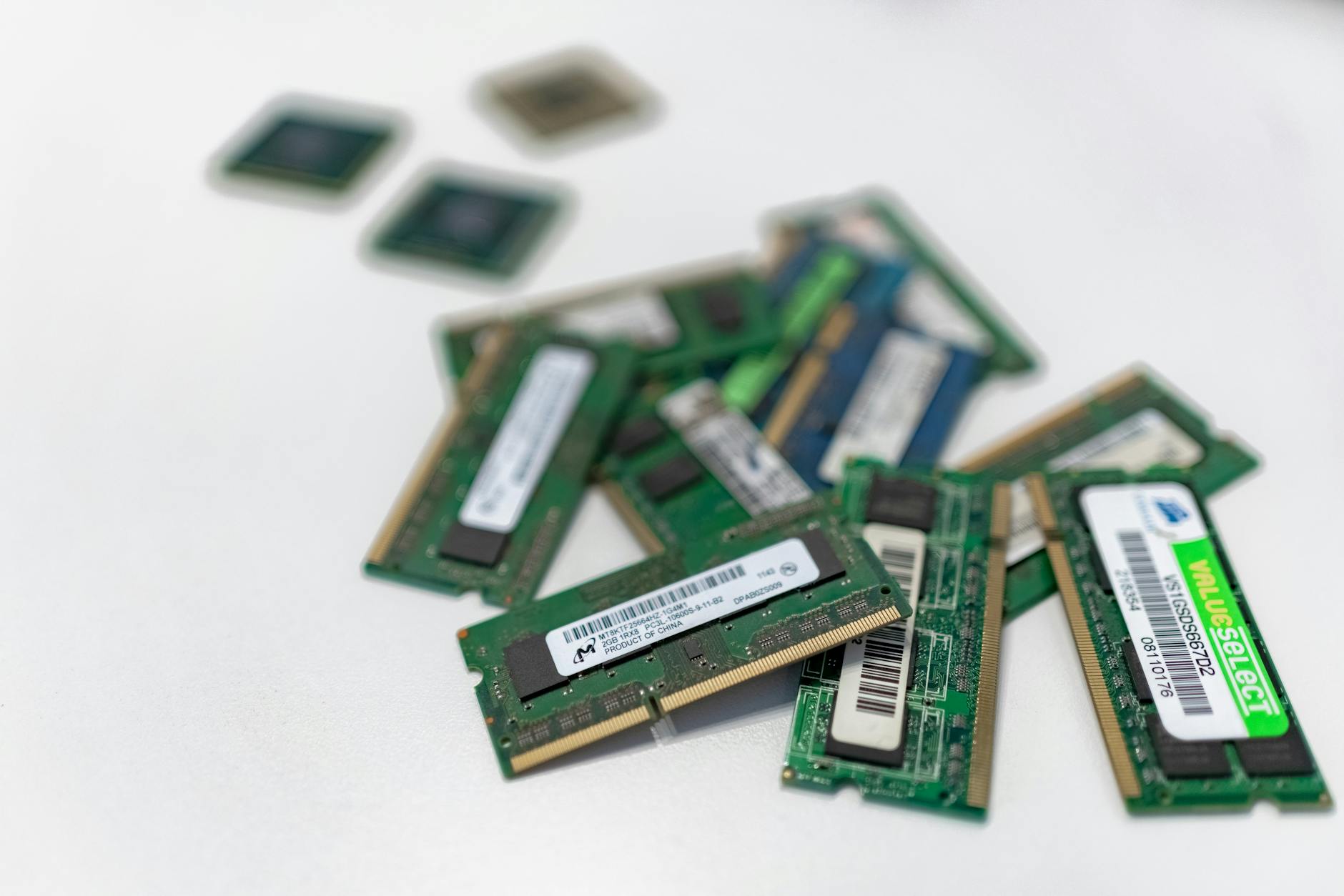
The Prolonged RAM Shortage: Insights and Implications
As the tech industry relentlessly evolves, the demand for efficient and high-performance memory has surged significantly. However, recent reports suggest that the ongoing shortage of DRAM (Dynamic Random Access Memory) could last for several more years. According to Nikkei Asia, even with suppliers ramping up production, manufacturers are only expected to meet approximately 60% of the demand by the end of 2027. This situation is compounded by remarks from SK Group’s chairman, who has indicated that shortages may extend until 2030. This article delves into the implications of the extended RAM shortage and its effects on the technology sector.
Understanding the RAM Shortage
RAM is a crucial component in various electronic devices, including computers, smartphones, and servers. As the backbone of modern computing, any disruption in its supply chain can lead to significant delays in product launches and increased prices for consumers. The current RAM shortage is primarily attributed to several factors, including increased demand for cloud services, gaming, and advanced AI applications that require robust processing capabilities.
Market Dynamics Driving Demand
The global shift towards remote work and the rise of digital services have intensified the demand for high-performance computing. Companies are investing heavily in cloud infrastructure, which in turn requires substantial amounts of DRAM to support the increased workloads. Furthermore, the gaming industry continues to grow, with consumers seeking devices that offer enhanced graphics and performance. This has led to higher consumption of RAM across various platforms.
Production Challenges Faced by Manufacturers
Despite the clear demand, manufacturers face numerous challenges in meeting supply needs. The leading memory producers, including Samsung, SK Hynix, and Micron, are working diligently to scale their production. However, the transition to advanced manufacturing processes and the need for new facilities come with high costs and lengthy timelines. Additionally, recent geopolitical issues, including trade tensions and supply chain disruptions caused by the pandemic, have further complicated production efforts.
The Impact of RAM Shortages on the Tech Industry
The ramifications of a prolonged RAM shortage are far-reaching. For consumers, this could mean higher prices for devices as manufacturers pass on increased production costs. For businesses, the inability to acquire sufficient memory components can delay product development, leading to longer timeframes for bringing new technologies to market.
Higher Costs for Consumers
As demand continues to outstrip supply, prices for RAM modules are likely to rise, impacting everything from personal computers to enterprise-level servers. Consumers may find that their next tech purchase comes with a higher price tag, particularly for high-end models that require more memory. This price inflation could dissuade some buyers, resulting in a dip in sales for manufacturers.
Challenges for Tech Companies
For tech companies, the RAM shortage poses a significant risk. Many businesses depend on timely access to components to remain competitive. If they cannot secure the necessary RAM for their products, they may face delays in production and shipping. This reality could result in lost revenue and diminished market share. Companies will need to strategize their supply chain management and consider alternative solutions to mitigate the risks associated with RAM shortages.
Looking Ahead: Strategies for Navigating the RAM Shortage
As the industry braces for a prolonged RAM shortage, companies and consumers alike must adapt to the new landscape. Here are some strategies that could help mitigate the impact of this ongoing issue:
Diversification of Suppliers
Tech companies should explore diversifying their suppliers to minimize reliance on a single source for memory components. By engaging with multiple manufacturers, companies can enhance their supply chain resilience and reduce the risks associated with shortages.
Investing in Alternative Technologies
Companies may also consider investing in alternative memory technologies that could serve as substitutes for traditional DRAM. Emerging technologies, such as MRAM (Magnetoresistive Random Access Memory) and FRAM (Ferroelectric RAM), offer potential solutions that could alleviate some of the pressure on the DRAM market.
Strategic Inventory Management
By adopting strategic inventory management practices, businesses can optimize their existing resources and minimize waste. Maintaining a buffer stock of RAM components may help companies navigate supply disruptions more effectively.
What This Means for the Future of Technology
The prolonged RAM shortage presents both challenges and opportunities for the tech industry. While the immediate implications may seem daunting, they also encourage innovation and adaptability within the sector. As companies work to secure their supply chains and explore new technologies, the landscape of memory production may evolve. In the long run, these developments could lead to more resilient practices and potentially new breakthroughs in memory technology.
As we look ahead, the industry must remain vigilant and proactive in addressing the challenges posed by the RAM shortage. By fostering collaboration and investing in research and development, the tech sector can navigate the complexities of this critical issue and emerge stronger in the face of adversity.


