China's BrainCo and the Future of Wearable Brain Technology
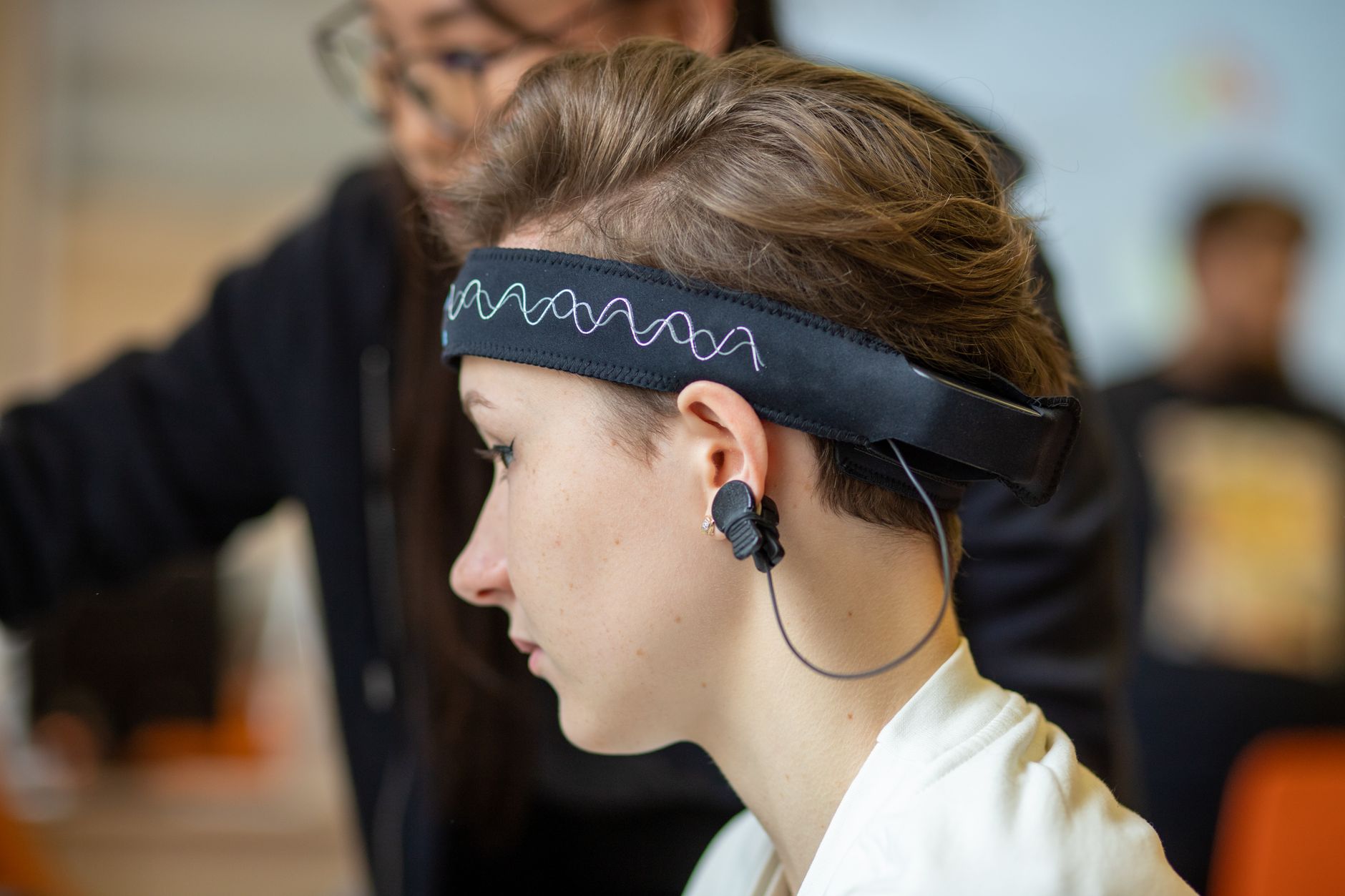
The landscape of brain-computer interfaces (BCIs) is rapidly evolving, with two distinct paths emerging: the invasive and the non-invasive. While Elon Musk's Neuralink aims to create breakthrough technologies by drilling into skulls, Chinese startup BrainCo is taking a different approach by emphasizing wearable solutions. This divergence raises critical questions about the future of brain tech, accessibility, and ethical considerations in a field that promises to transform how we interact with technology and, ultimately, with each other.
Key Takeaways
- BrainCo is focusing on wearable brain-computer interfaces, which are less invasive than surgical options like Neuralink.
- The company aims to help individuals with compromised neural abilities through its technology.
- Market interest in BCIs is heightened, spurred by advancements in neuroscience and AI.
- The approach of non-invasive devices may lead to broader acceptance and usage among consumers.
- Ethical implications surround the development of brain tech, raising concerns over privacy and accessibility.
Exploring the News
As reported by Tech, BrainCo is positioning itself as a leader in the wearable brain tech market, channeling significant investment and research into non-invasive brain-computer interfaces. This strategy contrasts sharply with Neuralink's invasive methodologies, which involve implanting devices directly within the brain. This strategy not only raises technical challenges but also ethical concerns regarding surgery-related risks and long-term health implications.
BrainCo's focus on wearables stems from a belief that accessible technology can provide solutions for those with compromised neural functions, such as individuals recovering from strokes or those living with conditions like ALS (amyotrophic lateral sclerosis). The company believes that by creating devices that anyone can wear comfortably, they can democratize access to brain technology, making it a tool for rehabilitation and enhancement rather than one confined to medical professionals.
Why This Matters
The implications of this shift in focus from invasive to non-invasive brain technology are profound. As the demand for brain-computer interfaces rises, BrainCo’s strategy could represent a significant turning point for the industry. Non-invasive devices, such as electroencephalogram (EEG)-based wearables, open up the possibility for widespread consumer adoption, beyond clinical settings, providing tools for mental wellness, focus enhancement, and even gaming.
Moreover, as we see increased competition in the BCI space, the ethical considerations surrounding both invasive and non-invasive technologies become more pronounced. Questions regarding user privacy, data security, and the potential for misuse of sensitive neurological data need to be addressed. The conversation surrounding wearable BCIs could ultimately shape the regulatory landscape, influencing how these technologies are developed and deployed.
Background and Context
The idea of connecting human brains to computers is not new. Early research in this field dates back to the 1960s, but recent advancements in neuroscience and AI have accelerated the pace of development. Companies like Neuralink, founded by Elon Musk, have garnered significant media attention due to their ambitious goals of creating high-bandwidth brain interfaces through surgical implants. Neuralink’s vision includes applications ranging from treating neurological disorders to enabling direct communication with machines.
In contrast, BrainCo was founded with a focus on making brain-tech accessible through wearable devices. Their products leverage advances in neuroscience without the need for surgery, using methods such as EEG to capture brain signals. This approach not only makes the technology safer but also allows for applications in various areas, including education, mental health, and even entertainment.
Expert Analysis
The divide between BrainCo and Neuralink highlights a broader trend in technology: the tension between invasive and non-invasive solutions. While Neuralink’s approach may offer the promise of high precision and control, its risks cannot be overlooked. Complications from brain surgery can be severe, including infection, bleeding, and long-term neurological damage.
BrainCo’s wearables, on the other hand, represent a safer alternative that can still yield valuable data about brain activity. The effectiveness of such devices, however, is often debated. Critics argue that non-invasive devices may not provide the same level of detail as invasive implants, leading to questions about their true efficacy in treating complex neurological conditions. Yet, BrainCo counters that their technology is continuously evolving, with improvements in signal processing and machine learning that enhance the capabilities of these wearables.
Ultimately, the success of BrainCo and similar companies may depend on public perception and acceptance. As consumers become more informed about brain technology and its potential benefits, the demand for non-invasive solutions may rise, paving the way for a more extensive market. Additionally, as mental health and cognitive enhancement gain more attention in society, wearables that can help users monitor and improve their brain health could see significant adoption.
What This Means for Users and Developers
The implications of BrainCo's focus on wearables extend beyond just the technology itself; they represent a shift in how users will interact with brain-computer interfaces. For consumers, wearables could provide an entry point into understanding their neurological health, allowing them to track metrics like stress levels, focus, and cognitive performance over time. Such insights can empower users to make informed decisions about their mental well-being.
For developers, the rise of non-invasive BCIs presents opportunities for innovation. Companies creating applications that leverage brain data could lead to new experiences in gaming, education, and wellness. However, developers will also need to navigate the complexities of user data protection, as ethical concerns surrounding data privacy and security become increasingly important in the age of digital health.
Frequently Asked Questions
What are brain-computer interfaces (BCIs)?
Brain-computer interfaces (BCIs) are technologies that facilitate direct communication between the brain and external devices. They can be used for various applications, from medical rehabilitation to enhancing cognitive functions.
How do wearable BCIs work?
Wearable BCIs often utilize sensors that monitor brain activity through electrical signals or blood flow. These devices can provide real-time feedback on brain states and can be used for applications like stress management or focus enhancement.
What are the risks associated with invasive BCIs?
Invasive BCIs, such as those developed by Neuralink, involve surgical procedures that carry risks like infection, neurological damage, and complications from anesthesia.
Why is there a growing interest in BCI technology?
The growing interest in BCI technology is driven by advancements in neuroscience, increasing awareness of mental health issues, and the potential for cognitive enhancement. As society seeks innovative solutions to complex problems, BCIs represent a frontier of human-computer interaction.
The Road Ahead
Looking forward, the trajectory of brain-computer interfaces seems promising, with BrainCo leading the charge in making these technologies accessible and safe. As the market for wearables expands, the potential applications will likely multiply, impacting various sectors, from healthcare to education and beyond. This democratization of brain technology could ultimately lead to a society where individuals are better equipped to understand and enhance their cognitive abilities.
However, this future will not be without challenges. As the technology becomes mainstream, it will be essential to establish ethical guidelines and regulatory frameworks that protect users' rights and privacy. Balancing innovation with responsible usage will be the key to ensuring that brain-computer interfaces serve the greater good rather than becoming a tool for exploitation or inequality.