China's AI Surge: A Challenge to America's Tech Dominance
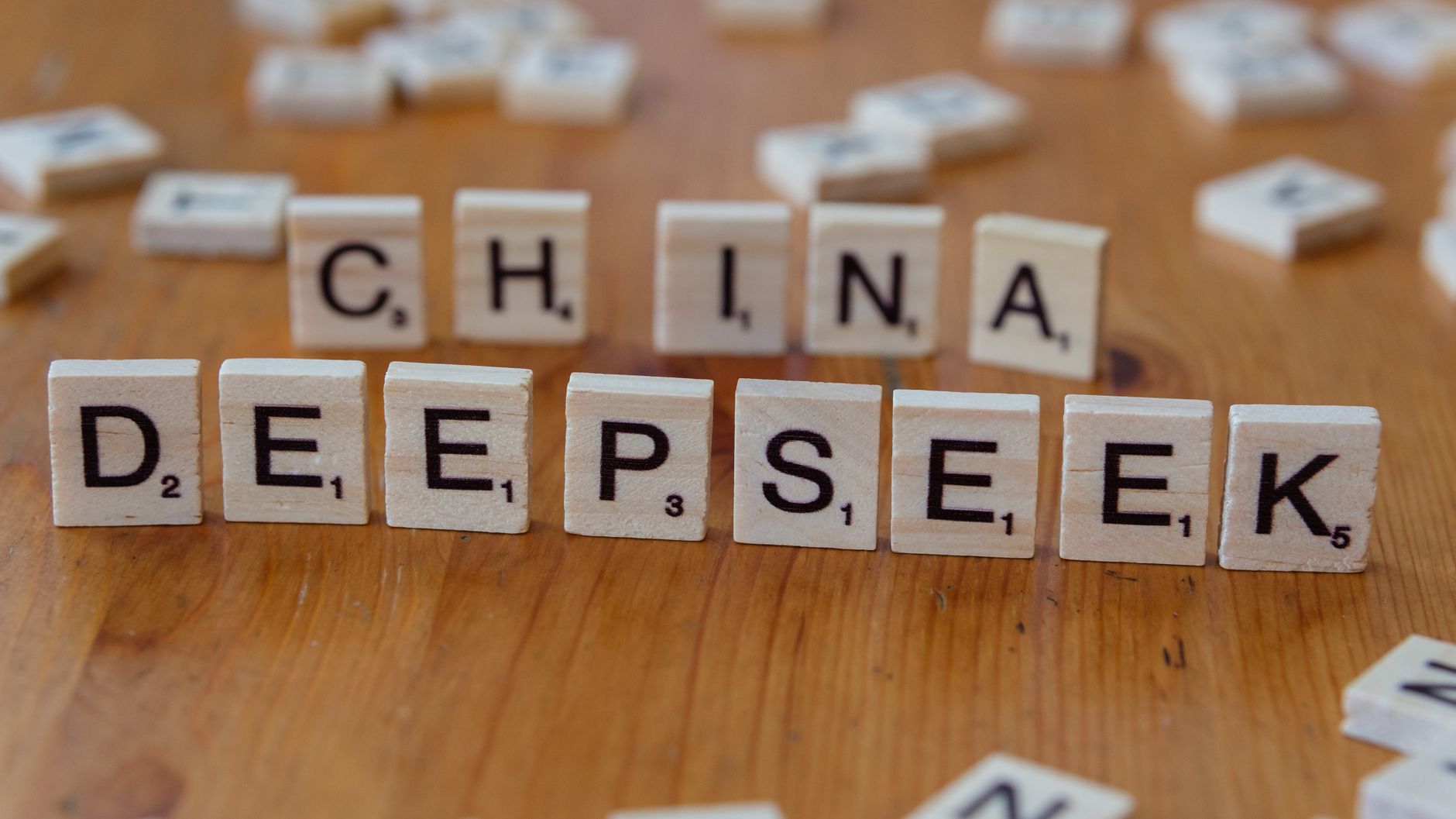
In an unexpected turn of events, China's leading AI companies are taking significant strides forward, posing a serious challenge to the longstanding dominance of American tech giants in the artificial intelligence space. With the recent unveiling of advanced AI models by Moonshot and Alibaba, the stakes have never been higher. These companies are not just catching up; they are presenting formidable tools that can rival their American counterparts at a fraction of the cost. This development signals a potential shift in the balance of power in the global AI landscape.
Key Takeaways
- China's Moonshot and Alibaba have launched AI models that rival OpenAI and Anthropic.
- These models are reportedly available at a significantly lower cost, increasing accessibility.
- The rapid advancement of Chinese AI technology suggests a narrowing gap between the U.S. and China.
- This challenge could reshape global AI standards and policies.
- The competitive pressure may lead to increased innovation in both regions.
New Developments in Chinese AI
In a dramatic showcase of technological prowess, two of China's leading AI companies have unveiled new models that they claim can stand shoulder to shoulder with the best of what Silicon Valley has to offer. Moonshot’s Kimi and Alibaba’s Qwen are not just incremental improvements; they represent a leap forward in capabilities and performance. These releases come at a time when the AI arms race is heating up, with the U.S. traditionally seen as the frontrunner.
Moonshot, a relatively new entrant in the AI space, has made waves with Kimi, which has been touted for its advanced natural language processing capabilities. On the other hand, Alibaba’s Qwen promises to deliver high-level AI solutions that are more cost-efficient than those provided by the likes of OpenAI and Anthropic. These developments are indicative of a broader trend in which Chinese companies are unafraid to challenge established norms and expectations.
Why This Matters
The implications of these advancements extend far beyond the realm of technology. As China’s AI capabilities grow, they threaten to disrupt the existing balance of power in the tech industry. American companies have enjoyed a period of relative dominance, often dictating the pace and direction of AI advancements. However, the emergence of robust Chinese models could lead to a more competitive environment where innovation is driven not just by American companies but also by their Chinese counterparts.
This shift may provoke a response from U.S. policymakers and tech companies alike. Concerns about data security, intellectual property, and the ethical implications of AI deployment are likely to intensify as both nations vie for leadership in this crucial field. Furthermore, if Chinese models become the preferred choice for businesses and governments around the world, it could set new benchmarks for AI development, impacting global standards and regulations.
Background and Context
The landscape of AI has evolved dramatically over the past decade, with the United States initially leading the charge through significant investments and innovations. Companies like OpenAI and Anthropic have come to define the standard for AI capabilities, especially in natural language processing and machine learning. These companies have benefitted from extensive funding, a robust ecosystem of talent, and a culture of innovation that encourages risk-taking and experimentation.
In contrast, China's approach to AI has been characterized by a strong government push supporting the sector through funding and policy frameworks. This has allowed Chinese companies to scale rapidly and develop technologies that can compete on a global scale. Over the years, we have seen a notable increase in the quality and sophistication of Chinese AI models, culminating in the recent launches by Moonshot and Alibaba.
Expert Analysis
The emergence of Kimi and Qwen signals a pivotal moment in the AI landscape. These models not only challenge the technical capabilities of their American counterparts but also highlight a shift in the geographical distribution of innovation. The cost-effectiveness of Chinese solutions could democratize access to powerful AI tools, allowing smaller companies and startups to leverage advanced technology that was previously out of reach.
Furthermore, the open-source nature of many of these models could encourage collaboration and innovation across the globe. As developers and researchers gain access to high-performing AI tools without the prohibitive costs associated with proprietary models, we may see a surge in creative applications and advancements in various sectors.
However, there are concerns about the implications of this shift. The competitive dynamic could lead to a race to the bottom, where companies prioritize speed over safety in AI development. As organizations scramble to keep up with advancements, ethical considerations may be sidelined, leading to potential risks associated with AI misuse.
What This Means for Businesses and Developers
For businesses, the introduction of competitive Chinese AI models is both an opportunity and a challenge. On one hand, the availability of advanced AI tools at lower costs can enable companies to enhance their operations, improve efficiency, and drive innovation. This could be particularly advantageous for startups and small businesses that may lack the resources to invest in expensive proprietary solutions.
On the other hand, companies must navigate the complexities of choosing between established American models and emerging Chinese alternatives. Factors such as data privacy, security, and compliance with regulations will play a crucial role in decision-making. As the market becomes more competitive, organizations will need to evaluate not just the technical capabilities of AI models but also the ethical implications of their use.
Frequently Asked Questions
What are the key differences between Chinese and American AI models?
Chinese AI models like Kimi and Qwen are designed to be more cost-effective while maintaining competitive capabilities. American models often focus on proprietary technology with higher associated costs.
How will these developments affect global AI standards?
As Chinese models gain traction, they may set new benchmarks for performance and cost, influencing global standards and potentially reshaping how AI is regulated and utilized.
What should businesses consider when choosing AI models?
Businesses should weigh factors such as cost, performance, data security, compliance with regulations, and the ethical implications of deploying AI technologies.
Will this lead to increased collaboration between U.S. and Chinese companies?
It’s possible that increased competition may foster collaboration in some areas, especially in open-source projects, but geopolitical tensions may complicate these relationships.
The Road Ahead
As the dust settles from these recent developments, the AI landscape is poised for significant changes. The competitive pressure from Chinese companies like Moonshot and Alibaba is likely to spur innovation within the U.S. tech sector, prompting companies to invest more in research and development to maintain their edge. We may witness a renewed focus on ethical AI practices, as companies recognize the importance of aligning their advancements with societal values and regulations.
Looking forward, the interplay between American and Chinese AI models will shape the future of technology in profound ways. The rise of powerful Chinese models could lead to a more balanced global AI ecosystem, where innovation and competition drive advancements that benefit users worldwide. However, the path will not be without challenges, as nations grapple with the implications of AI technology on privacy, security, and ethical governance.
Sources and Further Reading
Related
 UK ministers explore compulsory AI safety reporting
 Fixated on AI, the world has forgotten what is staring it in the face: nuclear annihilation | Simon Tisdall
 Danu Robotics’ fight to build a better recycling robot
 Trump hosts awards party for tech billionaires, almost as if he doesn’t care about ordinary Americans