ChatGPT's Voice Mode: Simulating Real Conversations with Human-Like Imperfections
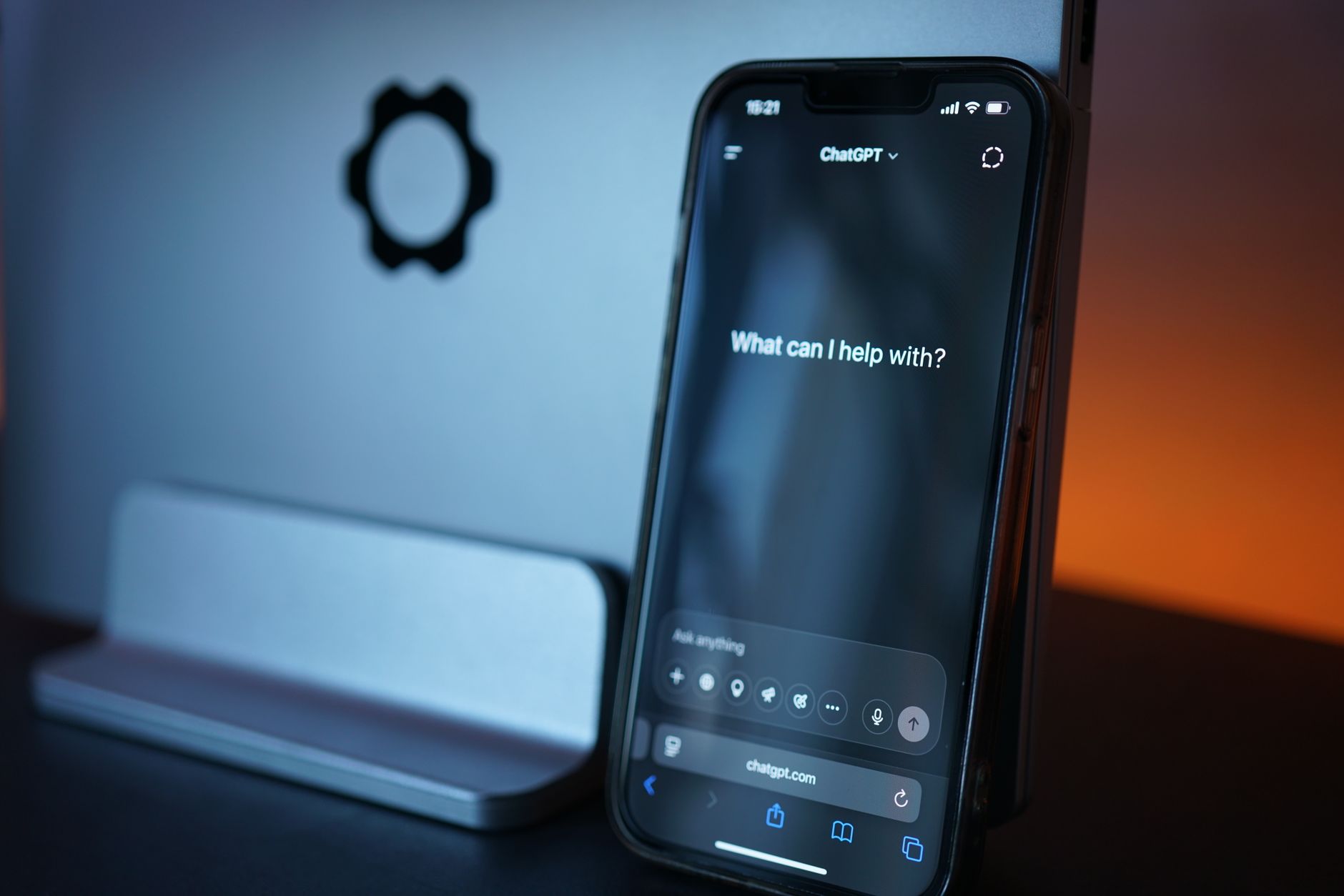
The evolution of artificial intelligence in recent years has led to significant advancements in how machines communicate, bringing them closer to human-like interaction. OpenAI's ChatGPT has taken a monumental step in this direction with its upgraded voice mode, which now incorporates the natural imperfections—those charming “ums” and “ahs” that pepper real conversations. This enhancement not only improves the realism of AI dialogue but also invites a deeper examination of the implications for users, developers, and the broader industry.
Key Takeaways
- The upgraded voice mode of ChatGPT replicates human-like conversation dynamics by including natural speech fillers.
- This development aims to enhance user engagement and make interactions with AI more relatable and less robotic.
- Realistic conversations can improve the performance of AI in various applications, from customer service to education.
- The integration of voice imperfections raises questions about the ethics of AI communication and user perception.
- This advancement reflects a growing trend in AI development that prioritizes human-like interaction over purely functional dialogue.
Understanding the Upgrade
OpenAI's latest update to ChatGPT represents a significant leap in conversational AI capabilities. Previously, interactions with ChatGPT were often characterized by crisp, clear responses devoid of the nuances found in human speech. The introduction of a voice mode that mimics the imperfections of real conversations—such as hesitations and filler words—marks a pivotal moment in the objective of creating more engaging and relatable AI systems.
This update enhances ChatGPT’s ability to understand and engage in nuanced human communication. By embedding elements that typically characterize casual conversation, the AI can now provide responses that feel more genuine. For instance, if a user were to ask a complex question, ChatGPT might respond with, “Um, that’s an interesting question,” before delivering its answer. This pattern more closely aligns with how humans naturally converse, thereby reducing the cognitive dissonance that can arise when interacting with a machine.
Why This Matters
The implications of ChatGPT's upgraded voice mode extend well beyond mere aesthetics. As AI becomes increasingly integrated into daily life—be it through customer service bots, educational tools, or personal assistants—the quality of interaction plays a crucial role in user experience. The ability to simulate real conversational dynamics can enhance user satisfaction, encouraging more frequent and meaningful interactions with AI.
Furthermore, this development may lead to a shift in the expectations users have regarding AI communication. As users become accustomed to more realistic dialogues, they may demand similar advancements from other AI systems. This could foster a competitive environment among AI developers, pushing for continual improvements in conversational capabilities. The expectation of human-like interaction could become the new standard, influencing how conversational AIs are designed and developed in the future.
Background and Context
The journey of conversational AI has been marked by various technological milestones. Early chatbots relied heavily on scripted responses, offering limited interaction and often failing to resonate with users. Over the years, natural language processing (NLP) has evolved, allowing for more nuanced understanding and generation of human language. The introduction of deep learning techniques has further revolutionized this field, enabling models like ChatGPT to learn from vast datasets of human conversation.
OpenAI has been at the forefront of this revolution, continuously refining its models to enhance conversational fluency. The addition of voice capabilities is a logical next step, complementing existing text-based interactions. By incorporating the imperfections of speech, OpenAI not only addresses user feedback for more relatable experiences but also aligns with a broader trend in AI development emphasizing emotional intelligence and empathetic communication.
Expert Analysis
From an analytical perspective, the integration of voice imperfections into ChatGPT signifies a paradigm shift in how AI systems are designed to interact with users. Traditional AI interactions often emphasized clarity and efficiency, prioritizing information delivery over relational dynamics. The inclusion of filler words and hesitations introduces an element of spontaneity that can make AI feel more approachable and less intimidating.
Moreover, this approach has psychological implications. Research in human communication suggests that imperfections in speech can enhance relatability and trust. When users engage with an AI that exhibits these characteristics, they may perceive it as more intelligent and capable of understanding their needs. This positive perception could lead to greater user loyalty and a willingness to rely on AI for various tasks, from simple queries to more complex problem-solving scenarios.
However, this development is not without its challenges. The ethical considerations surrounding AI communication must be addressed. For instance, if users begin to form emotional attachments to AI that mimics human conversation too closely, questions about authenticity and trustworthiness arise. The line between genuine interaction and artificial manipulation becomes blurred, prompting a need for transparency in how AI systems are designed and deployed.
What This Means for Users, Developers, and the Industry
For users, the enhanced voice mode of ChatGPT represents an opportunity to engage with AI in a more meaningful way. As conversations become more human-like, users may feel more comfortable asking complex questions or seeking assistance. This could lead to increased adoption of AI tools across various sectors, from education to mental health support.
Developers, on the other hand, must navigate the evolving expectations of users. As AI interactions become more sophisticated, developers will need to invest in advanced NLP algorithms and training data that accurately reflect human conversational patterns. The demand for realistic dialogue will likely influence design choices, necessitating a deeper understanding of human communication dynamics.
From an industry perspective, the introduction of more human-like AI interactions could spur innovation across sectors. Companies that prioritize conversational AI may find themselves at the forefront of customer engagement strategies, enhancing brand loyalty and user satisfaction. This shift could also lead to new business models centered around conversational AI, with opportunities for monetization in areas like personalized marketing and customer service.
Frequently Asked Questions
How does ChatGPT's upgraded voice mode work?
The upgraded voice mode uses advanced natural language processing techniques to integrate the natural imperfections of human speech, such as filler words and hesitations, into its responses. This makes interactions feel more relatable and human-like.
What are the benefits of conversational AI that mimics human speech?
Conversational AI that mimics human speech can enhance user engagement, improve trust and relatability, and lead to more meaningful interactions. It can also improve user satisfaction by making the AI feel less robotic.
Are there ethical concerns with realistic AI conversations?
Yes, there are ethical concerns regarding the potential for users to develop emotional attachments to AI that mimic human conversation too closely. This raises questions about authenticity, trust, and the potential for manipulation.
How might this upgrade impact industries relying on AI?
Industries such as customer service, education, and mental health support may see increased adoption of AI tools as conversations become more human-like. This could lead to enhanced user satisfaction and loyalty, ultimately affecting business strategies and models.
The Road Ahead
Looking forward, the upgraded voice mode of ChatGPT may set the stage for a new era of conversational AI. As users increasingly demand more human-like interactions, the pressure is on developers to innovate and refine their systems accordingly. This could lead to a rapid evolution of AI communication capabilities, with a focus on emotional intelligence and user-centered design.
Ultimately, the path forward will require a delicate balance between enhancing user experience and maintaining ethical standards. As AI continues to permeate various aspects of life, fostering genuine, transparent interactions will be crucial in building trust and ensuring the responsible deployment of these technologies.