Can Labor Save Us from the Risks of AI? Analyzing the Australian Approach
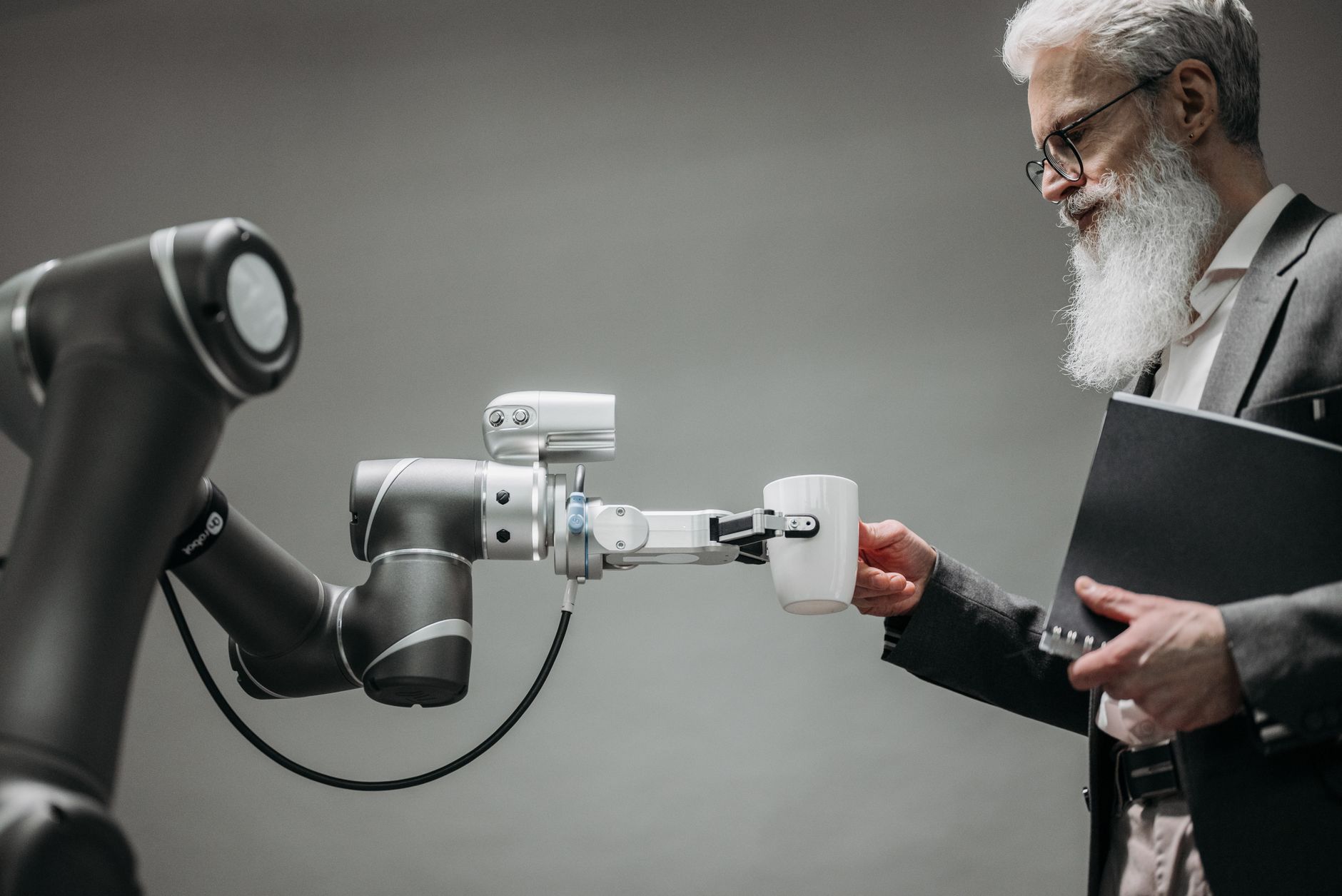
The rise of artificial intelligence (AI) has ushered in unprecedented changes across various sectors, leading to both excitement and trepidation. As organizations harness the potential of AI technologies, concerns have surfaced regarding the future of work and the role of labor in navigating these challenges. This article delves into the Australian government's response to the AI revolution, exploring potential reforms and the role of labor in mitigating the risks posed by AI.
Key Takeaways
- The Australian government faces a daunting task in balancing AI regulation and investment opportunities.
- Concerns persist regarding job displacement as AI technology continues to evolve.
- Labor reforms could play a pivotal role in safeguarding workers' rights amid the AI boom.
- Prime Minister’s upcoming landmark speech may signal a turning point in the government's AI strategy.
- A proactive approach to AI governance is necessary to address both opportunities and risks effectively.
Exploring the AI Landscape in Australia
The Australian government is currently confronted with the dual challenge of embracing the opportunities that AI presents while also addressing the inherent risks it poses to the workforce. There is a palpable fear among workers that AI could render their roles obsolete, as automation technologies evolve and become more sophisticated. As these changes unfold, the government has been slow to implement comprehensive regulations aimed at protecting workers while fostering a favorable environment for investment in AI technologies.
In response to these challenges, Prime Minister Anthony Albanese is poised to deliver a significant speech that may outline the government's strategic approach to AI regulation. This speech is anticipated to clarify the government's position on how to balance innovation with the protection of jobs and workers' rights. As the government grapples with this complex issue, the implications for industries across the board loom large.
Why This Matters
The implications of AI adoption extend far beyond mere technological advancement; they touch upon the fundamental fabric of society, particularly in terms of employment and economic stability. As AI tools become increasingly integrated into workplaces, the risk of job displacement becomes a pressing concern. For instance, sectors such as manufacturing, retail, and even professional services are witnessing the introduction of AI-driven processes that can perform tasks traditionally held by human workers.
Additionally, the potential for economic disparity to widen cannot be overlooked. As AI technologies become more prevalent, those with the skills to work alongside these systems may prosper, while those without such skills may find themselves marginalized. The government’s commitment to labor reform is crucial for fostering a more equitable landscape, ensuring that the benefits of AI are shared broadly across society.
Background and Context
Historically, technology has served as a catalyst for both job creation and job displacement. The Industrial Revolution, for instance, transformed labor markets globally, leading to the emergence of new professions while rendering others obsolete. In the context of AI, the stakes are particularly high due to the rapid pace of technological advancement and its pervasive influence across various sectors.
In Australia, the government has previously taken steps towards regulating technology, focusing on data privacy and cybersecurity. However, the swift evolution of AI has outpaced regulatory frameworks, leaving policymakers scrambling to catch up. As AI technologies continue to evolve, a comprehensive approach that encompasses ethical considerations, worker protections, and economic sustainability is critical.
Expert Analysis
As discussions surrounding AI regulation heat up, it is essential to take an analytical approach to understand the implications of the government's actions. One key aspect that deserves attention is the potential for establishing a regulatory framework that not only addresses immediate concerns but also anticipates future challenges. This requires foresight and collaboration between government entities, industry stakeholders, and labor organizations.
Moreover, the integration of AI into the workforce necessitates a reevaluation of existing labor laws. For instance, the notion of job security must be redefined in an era where automation can alter the dynamics of employment. Labor unions and advocacy groups have a critical role to play in advocating for reforms that safeguard workers' rights while promoting worker retraining programs that equip individuals with the skills needed to thrive alongside AI technologies.
What This Means for Workers and the Economy
The ongoing discourse regarding the implications of AI for the workforce brings to light several practical considerations for workers and the broader economy. For employees, the key takeaway is the importance of adaptability and continuous learning. As AI tools become more integrated into various professions, workers will need to cultivate skills that complement these technologies rather than compete with them.
For the economy at large, the challenge lies in ensuring that the benefits of AI are harnessed for the collective good. Policymakers must prioritize initiatives that create pathways for equitable economic growth, such as investing in education and training programs that focus on technological literacy. By fostering an environment that supports upskilling and reskilling, the economy can mitigate the disruptive effects of AI and pave the way for a more inclusive future.
Frequently Asked Questions
What are the potential risks of AI in the workplace?
The primary risks of AI in the workplace include job displacement, increased economic inequality, and the potential for ethical dilemmas arising from bias in AI algorithms. As automation technologies evolve, certain roles may become obsolete, leading to job loss for many individuals.
How can the government ensure worker protections in the face of AI?
The government can implement robust labor reforms that focus on safeguarding workers' rights, promote fair wages, and establish regulations that ensure ethical AI deployment. Additionally, investing in training programs can help workers transition into new roles that are complementary to AI technologies.
What role do labor unions play in the AI debate?
Labor unions are essential in advocating for worker rights and protections amid the changing landscape brought on by AI. They can lobby for policies that prioritize workers' interests, engage in negotiations for fair wages, and support initiatives that promote worker retraining.
Why is it important to balance AI regulation and investment?
Striking a balance between regulation and investment is crucial to harnessing the benefits of AI while minimizing potential harms. Regulation helps protect workers and ensure ethical practices, while investment encourages innovation and economic growth. A well-thought-out approach can facilitate the responsible development of AI technologies.
The Road Ahead
Looking ahead, the Australian government's response to the challenges posed by AI will be pivotal in shaping the future of work and the economy. The upcoming landmark speech from Prime Minister Albanese is anticipated to set the tone for a proactive approach that prioritizes worker protections while fostering an environment conducive to innovation. By adopting a forward-thinking strategy, the government can navigate the complexities of the AI landscape, ensuring that workers are equipped to meet the demands of the evolving job market.
Ultimately, the path forward will require collaboration between various stakeholders, including government entities, industry leaders, and labor organizations. A comprehensive strategy that addresses the risks of AI while maximizing its potential will be essential for creating a resilient workforce and a thriving economy. As Australia takes steps toward a more inclusive AI future, the lessons learned from this journey may serve as a blueprint for other nations grappling with similar challenges.