Why We Remain Bullish on This Chip Stock Despite Recent Pullback
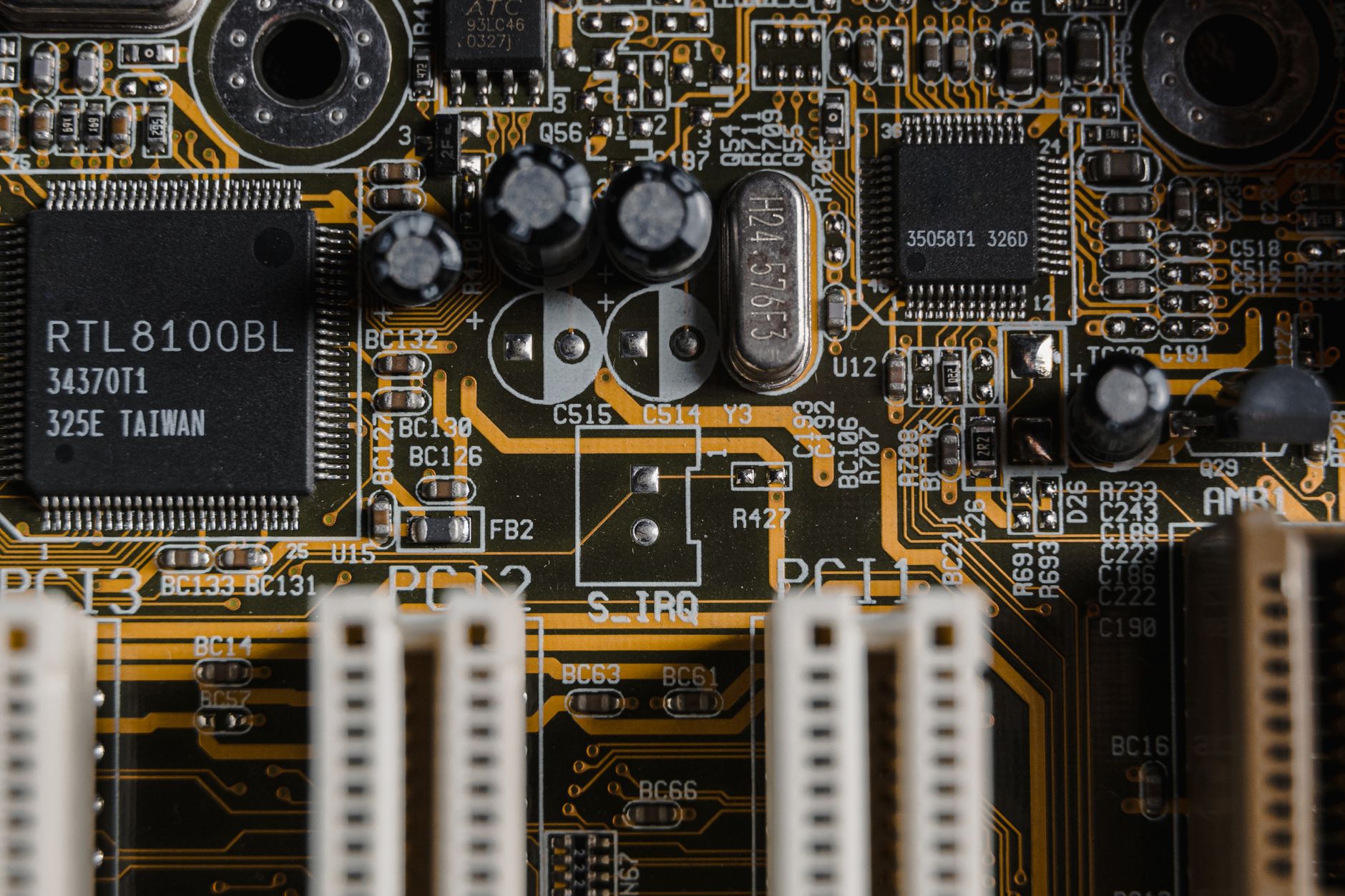
In the unpredictable landscape of semiconductor stocks, a recent 30% pullback of a notable chip stock has raised eyebrows among investors. Yet, despite this downturn, experts maintain a bullish outlook, citing robust fundamentals and promising market trends that suggest long-term growth opportunities.
Key Takeaways
- The chip stock experienced a sharp 30% decline this month, prompting investor concern.
- Despite this pullback, analysts point to strong earnings forecasts and market demand as key reasons for optimism.
- The semiconductor industry is expected to rebound, driven by advancements in AI and cloud computing.
- Investors are advised to consider the long-term potential of the stock rather than short-term volatility.
- Historical performance and strategic positioning in the industry support a positive outlook.
Recent Developments in the Semiconductor Sector
The semiconductor industry is known for its volatility, with stock prices often reflecting broader economic trends and technological advancements. This month’s 30% pullback of a high-profile chip stock has been attributed to various factors, including macroeconomic challenges and market speculation. Investors typically react to short-term news, but seasoned analysts are cautioning against knee-jerk reactions.
Key developments influencing the semiconductor market include ongoing supply chain adjustments, particularly in the wake of the COVID-19 pandemic. Many companies had to navigate disruptions that affected production schedules and delivery timelines. However, the market is beginning to stabilize as companies adapt to new supply chain realities. This stabilization is crucial for the recovery of chip stocks, which depend heavily on consistent production and distribution.
Why This Matters
The broader implications of the recent stock pullback extend beyond the company in question. The semiconductor industry is a cornerstone of modern technology, powering everything from consumer electronics to automotive systems. As technology continues to evolve, including the rise of artificial intelligence (AI) and the increasing demand for data centers, the need for semiconductors will only grow.
Investors must understand that while short-term fluctuations can be alarming, they often do not reflect the long-term potential of a company. The bullish sentiment surrounding this particular chip stock stems from a belief that it is strategically positioned to capitalize on these growing trends. The continued demand for advanced chips in AI, machine learning, and cloud computing applications is expected to drive revenue growth in the coming years.
Background and Context
Understanding the dynamics of the semiconductor market requires some historical context. The industry has faced significant transformations over the past decade, driven by rapid technological advancements and changing consumer demands. Companies have increasingly invested in research and development to produce more efficient, powerful chips. This competitive landscape has resulted in a few key players dominating the market, while also providing opportunities for newer entrants.
Historically, the semiconductor market has shown resilience. Even during economic downturns, companies that focus on innovation and adaptability tend to outperform their peers. The recent downturn in stock prices, including the 30% drop in question, can be attributed to market corrections rather than a fundamental breakdown in business operations.
Expert Analysis
Industry experts point to several key factors that underline the bullish outlook for this chip stock, despite its recent challenges. First and foremost is the company's strong earnings forecast, which is supported by a robust order backlog and a diversified product portfolio. This signals that the company is not only prepared to weather current market conditions but is also strategically positioned for future growth.
In addition, analysts emphasize the company's investment in cutting-edge technologies. Its focus on AI and machine learning applications aligns with current market trends, suggesting that it will continue to capture significant market share. As businesses increasingly shift their operations to cloud-based solutions, the demand for high-performance chips will only increase, providing further revenue opportunities for companies that can deliver.
A critical aspect of this analysis is understanding market sentiment. The recent pullback has created a buying opportunity for investors who recognize the long-term value of the stock. Often, market overreactions provide savvy investors with the chance to acquire shares at a discounted rate, setting the stage for substantial gains when the market recovers.
What This Means for Investors
For investors, the current landscape presents both challenges and opportunities. The semiconductor industry is not for the faint of heart; it requires a long-term perspective and an understanding of market cycles. The 30% pullback should be viewed in the context of the company's solid fundamentals and the broader industry trends. Short-term volatility might tempt some investors to divest, but a focus on long-term growth is essential for navigating this sector successfully.
Investors should consider diversifying their portfolios to mitigate risk. By holding a mix of established semiconductor companies and emerging players, they can balance potential rewards against market fluctuations. Furthermore, staying informed about technological advancements and market trends will equip investors to make more educated decisions.
Frequently Asked Questions
What caused the 30% pullback in the chip stock?
The pullback can be attributed to a combination of macroeconomic pressures, market corrections, and potential overvaluation. Such fluctuations are not uncommon in the volatile semiconductor industry.
Is now a good time to invest in this chip stock?
Given the bullish forecast and strong fundamentals, many analysts believe that the current pullback presents a buying opportunity for long-term investors.
What factors should investors consider in the semiconductor market?
Investors should consider factors such as technological advancements, market demand, supply chain stability, and overall economic conditions when evaluating semiconductor stocks.
How can I mitigate risks when investing in semiconductor stocks?
Diversifying your investment portfolio and staying informed about market trends can help mitigate risks associated with the volatility of semiconductor stocks.
The Road Ahead
Looking to the future, the semiconductor industry's trajectory appears promising. The ongoing digital transformation across various sectors will likely drive demand for semiconductors, particularly in applications related to AI, IoT, and advanced manufacturing. As companies continue to innovate and expand their capabilities, those that invest wisely will stand to benefit significantly from the growth of this critical sector.
For this specific chip stock, the path ahead is illuminated by its commitment to technological advancement and market responsiveness. While short-term challenges may arise, the long-term fundamentals remain strong, positioning the company for continued success. Investors who remain patient and focused on the long-term picture will likely reap the rewards as the market stabilizes and grows.