Broadcom and Apple Extend Partnership Through 2031 with Custom Chips
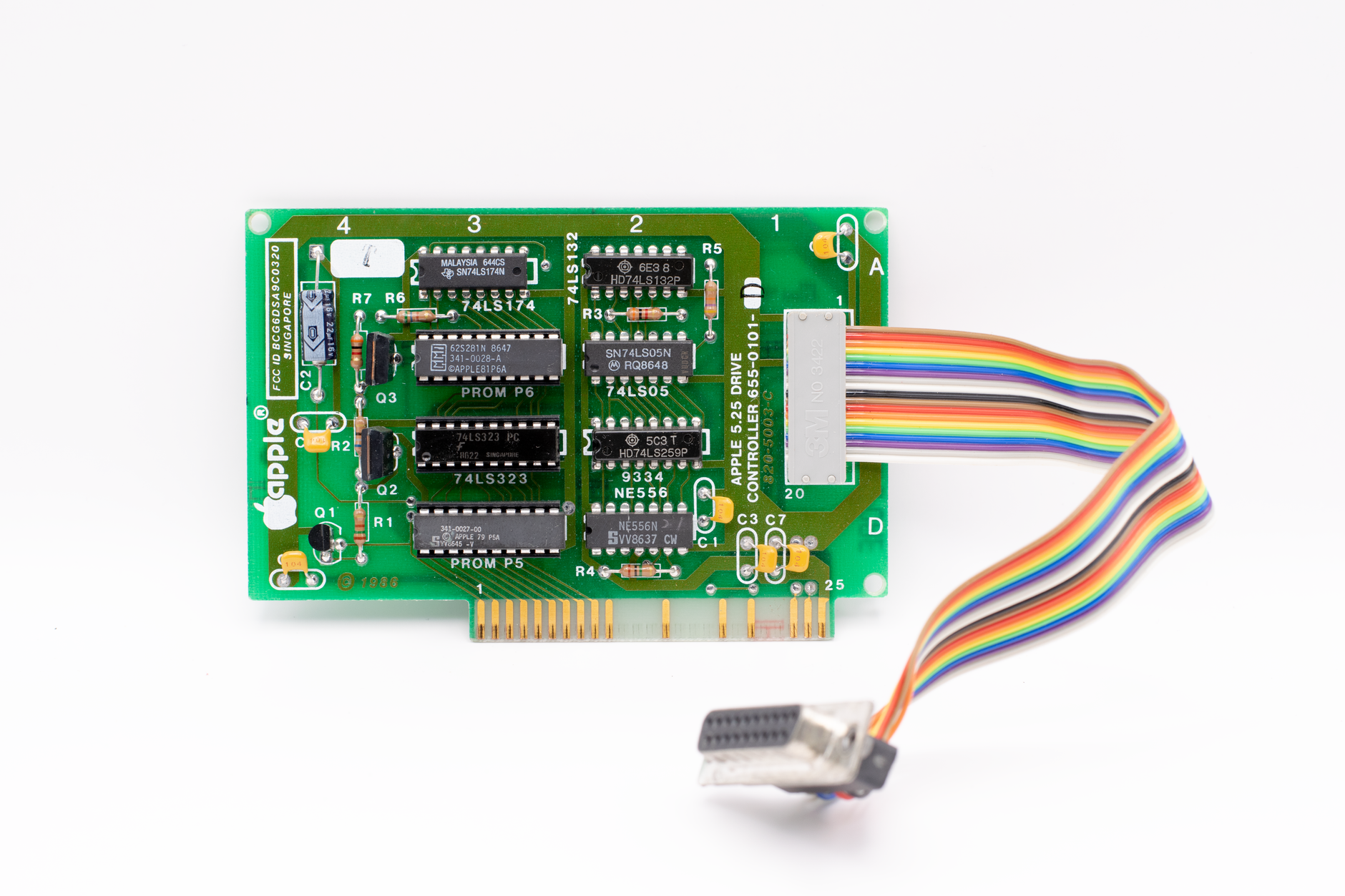
In a significant move highlighting the ongoing evolution within the semiconductor industry, Broadcom Inc. announced a major expansion of its partnership with Apple Inc. The agreement will see Broadcom supplying custom chips to Apple through 2031, solidifying a relationship that has already seen numerous collaborations. This partnership not only emphasizes the critical role of custom semiconductor solutions in the tech ecosystem but also points to Apple's broader strategic goals as it continues to innovate across its product lines.
Key Takeaways
- Broadcom's expanded partnership with Apple will last until 2031, focusing on custom chip development.
- This collaboration reinforces Apple's strategy to enhance performance and capabilities across its devices.
- The deal is indicative of broader trends in the semiconductor industry, where customization is becoming increasingly important.
- Both companies aim to leverage the power of custom silicon to improve efficiency and reduce reliance on third-party suppliers.
- This expansion may influence the competitive landscape of the tech and semiconductor markets significantly.
Understanding the Expanded Deal
The recent announcement by Broadcom signifies an important step forward in its long-standing relationship with Apple. Under the terms of this extended agreement, Broadcom will be tasked with developing a range of custom chips tailored specifically for Apple's needs. This move is expected to not only enhance Apple’s product performance but also align with its broader vision of integrating more proprietary technology into its devices. Such chips will likely be used in a variety of Apple products, including iPhones, iPads, and possibly future innovations such as augmented reality devices.
The collaboration extends a relationship that has been in place for years, with Broadcom already supplying Apple with various semiconductor components. By expanding this partnership, both companies are positioning themselves strategically to capitalize on the growing demand for advanced chip technology and the increasing importance of proprietary solutions in maintaining competitive advantage.
Why This Matters
This expanded partnership underscores the critical importance of custom silicon in the modern tech landscape. As companies like Apple continue to innovate, the demand for highly specialized chips that can cater to specific functionalities is on the rise. Custom chips allow manufacturers to optimize performance, power consumption, and device capabilities, which are crucial in a market that is increasingly driven by user experience and efficiency.
The implications of this partnership extend beyond just the two companies involved. In a world where semiconductor supply chains have been disrupted, having a reliable partner that can deliver custom solutions is invaluable. This agreement may also motivate other tech giants to seek similar partnerships, thereby reshaping the competitive dynamics of the semiconductor industry.
Background and Context
The semiconductor industry has undergone significant transformations over the past decade, driven by technological advancements and changing market demands. Companies are increasingly moving towards custom solutions to enhance their products’ performance. For Apple, this means a shift towards greater control over its hardware, allowing for deeper integration between software and hardware that can lead to better overall user experiences.
Historically, Apple has prioritized vertical integration, designing its chips in-house while also collaborating with external suppliers. The decision to expand its partnership with Broadcom reflects a strategic balancing act—leveraging external expertise while maintaining an overarching control of its technology stack. This approach is not new; it mirrors strategies employed by other tech giants seeking to mitigate risks associated with supply chain disruptions and to foster innovation.
Expert Analysis
Broadcom’s decision to deepen its collaboration with Apple may be seen as a strategic move that positions it more favorably within the semiconductor market. As demand for custom chips increases, Broadcom is likely to benefit from consistent revenue streams and a strengthened market position. The ability to provide tailored solutions not only enhances Broadcom’s value proposition but also ensures that it remains a crucial player in a fiercely competitive landscape.
For Apple, this partnership allows it to push boundaries in product design and functionality. By relying on Broadcom's expertise in chip design and manufacturing, Apple can focus on developing unique features that differentiate its products from competitors. This could lead to innovations that enhance user experience, such as improved battery life, faster processing speeds, and new capabilities that leverage advanced technologies like machine learning and artificial intelligence.
What This Means for Tech Industry Stakeholders
The implications of this partnership are profound for various stakeholders in the tech industry. For hardware manufacturers, the move signals a need for a proactive approach to partnerships that enable rapid innovation cycles. Companies must be agile in their ability to adapt to changing market demands and technological advancements.
Moreover, this deal may influence software developers who are designing applications for Apple’s ecosystem. As new capabilities become available through custom chips, developers will need to adapt their applications to leverage these advancements fully. This creates a dynamic environment where innovation is not just limited to hardware but extends into software development as well.
Frequently Asked Questions
1. What types of custom chips will Broadcom supply to Apple?
While specific details have not been disclosed, it is expected that these custom chips will be used across a range of Apple devices, enhancing performance and capabilities.
2. How will this partnership impact Apple’s product development?
This partnership is likely to accelerate Apple’s innovation, enabling the company to integrate advanced features and improve overall device performance.
3. What are the broader implications for the semiconductor industry?
The deal highlights a trend toward custom silicon solutions in the semiconductor industry, encouraging other tech companies to pursue similar partnerships.
4. How does this partnership affect consumers?
Consumers can expect enhanced products from Apple, with improved performance, battery life, and new features resulting from the advanced custom chips.
The Road Ahead
Looking forward, the expanded partnership between Broadcom and Apple signals a promising trajectory for both companies. As the demand for custom semiconductor solutions continues to rise, this collaboration could pave the way for groundbreaking innovations that redefine user experiences across Apple’s product range. The potential for integrating advanced technologies such as augmented reality and machine learning into everyday devices is immense, and this partnership positions both companies to lead in these areas.
Furthermore, as the semiconductor landscape evolves, we can anticipate that other tech giants may follow suit, seeking to establish similar partnerships to secure their supply chains and enhance their product offerings. The focus on custom solutions will likely become a hallmark of the industry, altering how companies approach product development and innovation in the years to come.