Broadcom and Apple Extend Partnership to 2031 with Custom Chips
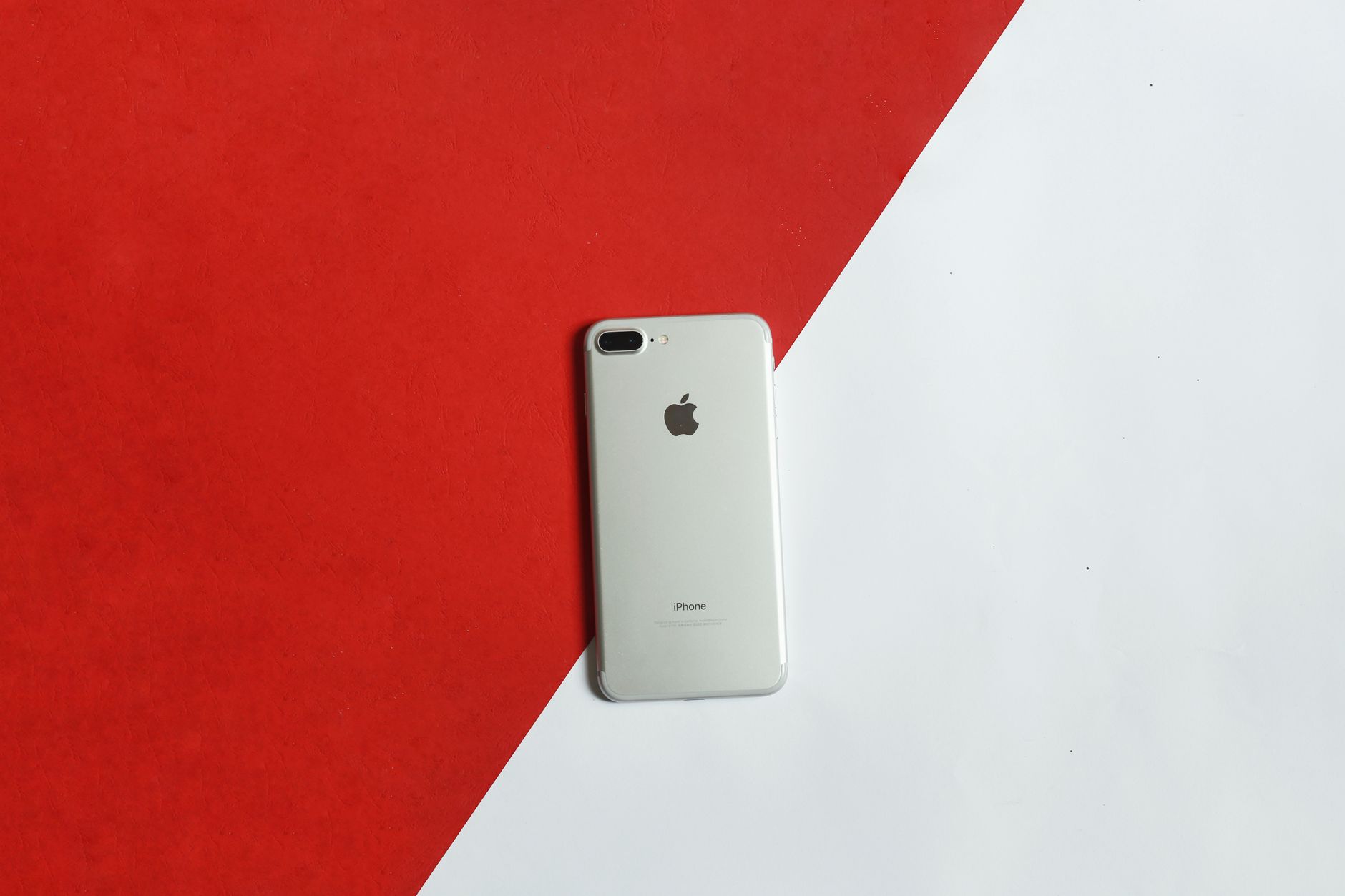
In a significant expansion of their longstanding relationship, Broadcom Inc. has announced that it will provide custom chips to Apple Inc. through 2031. This partnership, which has been critical in powering Apple's suite of devices, underscores the growing need for specialized hardware solutions in an increasingly competitive tech landscape. The implications of this deal extend far beyond just supply chain logistics; they signal a strategic alignment between two giants aiming for innovation and efficiency in the face of market pressures.
Key Takeaways
- Broadcom and Apple extend their partnership, ensuring chip supply through 2031.
- The deal focuses on the development of custom chips tailored for Apple’s devices.
- It highlights the importance of specialized hardware in enhancing product performance.
- The partnership is crucial amid rising competition and supply chain challenges.
- It may pave the way for new technological advancements across Apple's product range.
Expanded Partnership Overview
Broadcom, a leader in semiconductor technology, announced that it will be deepening its collaboration with Apple Inc., committing to develop custom chips through 2031. This announcement comes as both companies face increasing pressure to innovate and maintain their competitive edges. Broadcom's chips are integral to various Apple products, including iPhones, iPads, and Macs. This agreement not only secures a steady supply for Apple but also allows Broadcom to enhance its R&D capabilities, focusing on next-generation technologies.
The partnership's extension indicates a mutual recognition of the importance each company places on the other. For Broadcom, supplying chips to a market leader like Apple ensures consistent revenue streams and strengthens its position in the semiconductor industry. For Apple, having a dedicated supplier for custom chips is crucial as it seeks to optimize its product performance and maintain its reputation for quality and innovation.
Why This Matters
The extension of the Broadcom-Apple partnership has significant implications for the technology industry. As both companies look to the future, this deal represents a commitment to innovation at a time when the tech landscape is evolving rapidly. Custom chips are becoming increasingly important as devices require more specialized functions to support features such as artificial intelligence, augmented reality, and improved connectivity.
Furthermore, this partnership serves as a strategic maneuver in a challenging economic environment. With supply chain disruptions affecting many industries, securing a long-term chip supplier is a critical move for Apple to ensure that it can continue to release new products without delays. This deal may also set a precedent for other tech companies, highlighting the necessity of forming long-term relationships with suppliers to enhance manufacturing resilience.
Background and Context
Both Broadcom and Apple have a long history of collaboration dating back to the early 2000s. Over the years, Broadcom has supplied various components, including wireless chips and networking products, that have become foundational elements of Apple’s product lineup. The tech sector has seen a dramatic shift towards custom hardware solutions as companies like Apple seek to differentiate themselves in a saturated market.
The move towards securing custom chips is part of a broader trend where tech companies are increasingly focused on vertical integration. By designing and manufacturing their own chips, companies can optimize performance, enhance security, and reduce dependency on third-party suppliers. The strategic decision to partner with Broadcom reinforces Apple's commitment to maintaining control over its supply chain while leveraging Broadcom's expertise in chip design and manufacturing.
Expert Analysis
This partnership, extending the relationship between Broadcom and Apple, signifies more than just a continued supply of chips—it represents a pivotal shift in how tech companies approach product development. As devices become more complex and require greater processing power, the need for specialized chips tailored to specific functionalities has never been more pronounced.
One of the most critical aspects of this partnership is the emphasis on R&D investment. Broadcom's commitment to innovate on behalf of Apple suggests that the two companies will collaborate closely on next-generation technologies such as 5G, machine learning, and potentially, quantum computing. This collaboration could lead to advancements that significantly enhance user experiences across Apple’s ecosystem, from smartphones to wearables.
Additionally, this deal positions Broadcom advantageously against competitors in the semiconductor market. By aligning itself closely with Apple, Broadcom can not only secure substantial revenue but also gain insights into emerging consumer trends and technology needs from one of the industry's leading innovators. This relationship could ultimately allow Broadcom to expand its offerings to other tech companies looking to enhance their devices' capabilities.
What This Means for Tech Users and Developers
For tech users, the implications of this partnership are substantial. The development of custom chips tailored to Apple’s unique requirements means that future devices are likely to offer enhanced performance, efficiency, and new functionalities. Users can expect improvements in battery life, processing speeds, and capabilities related to artificial intelligence and machine learning.
Developers will also benefit from this partnership. As Apple integrates more advanced technologies into its devices, developers will have new opportunities to create applications that leverage these capabilities. For instance, as machine learning becomes more embedded in Apple’s hardware, developers can create apps with sophisticated features, such as real-time image recognition or enhanced augmented reality experiences.
Frequently Asked Questions
What are custom chips?
Custom chips are semiconductor devices designed specifically for particular applications or functionalities. They are tailored to meet the unique needs of a device, enhancing performance and efficiency.
Why is Apple focusing on custom chips?
Apple is focused on custom chips to optimize device performance, enhance security, and reduce reliance on third-party suppliers. Custom chips allow for better integration with Apple’s software ecosystem.
How does this partnership affect the tech industry?
This partnership highlights the trend of vertical integration in the tech industry, where companies seek to control more of their supply chain to enhance resilience and innovation in product development.
What can consumers expect from future Apple products?
Consumers can expect enhanced performance, longer battery life, and new functionalities in future Apple products as a result of the advanced custom chips developed through this partnership.
The Road Ahead
Looking ahead, the extension of the partnership between Broadcom and Apple is likely to shape the future of consumer electronics significantly. As both companies invest in R&D, we can expect to see groundbreaking innovations that set new standards in the industry. The focus on custom chips will enable Apple to continue pushing the envelope in terms of performance and user experience, solidifying its position as a market leader.
Furthermore, this partnership may inspire other tech firms to reevaluate their supply chains and consider similar long-term contracts with specialized suppliers. The broader implication is a shift towards more sustainable and resilient tech ecosystems capable of weathering market fluctuations and supply chain disruptions.