Boston Metal's $75 Million Funding: A New Era for Critical Metals
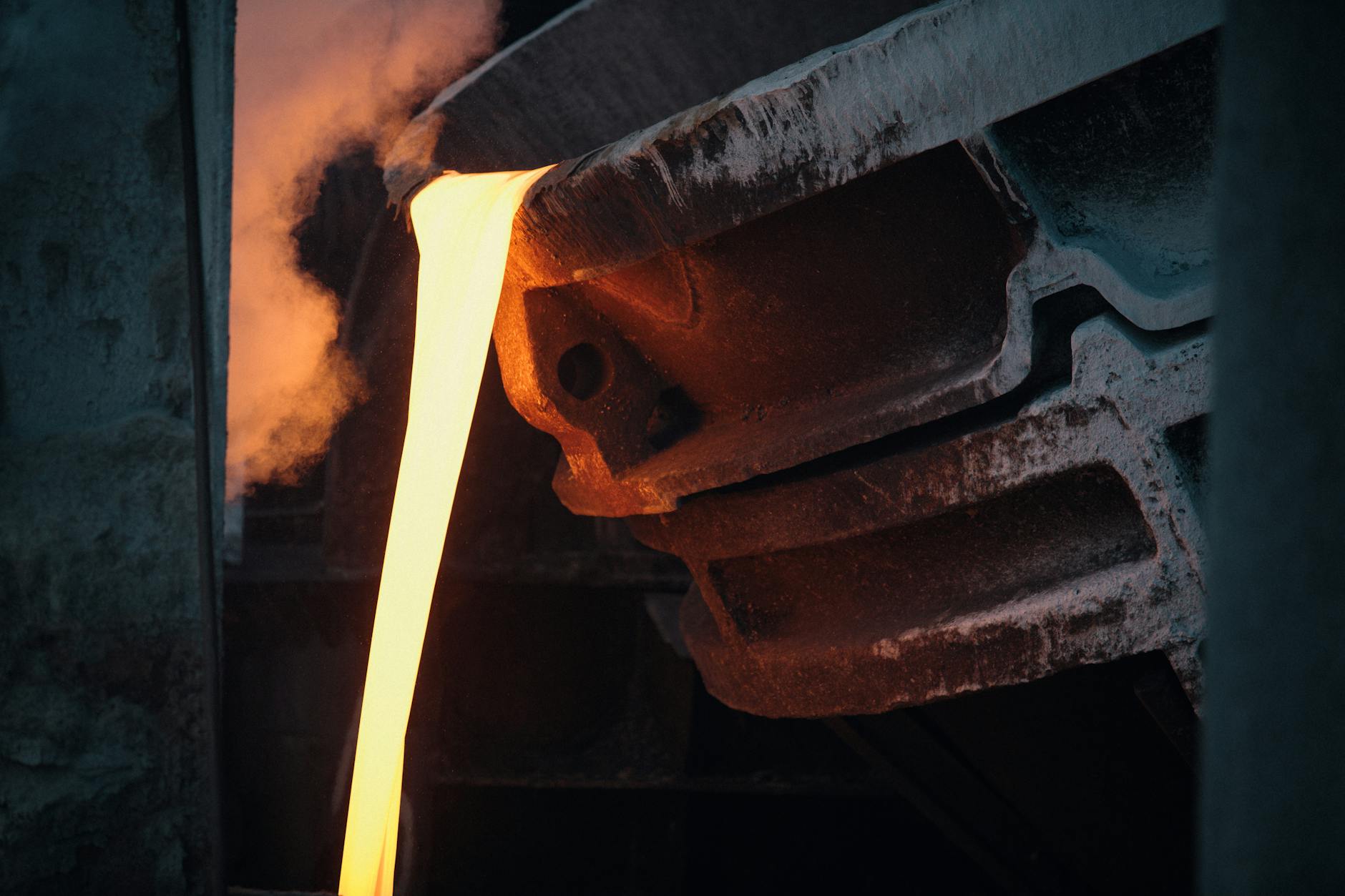
In a bold move that could reshape the landscape of sustainable manufacturing, Boston Metal has secured a substantial $75 million in funding to advance its initiatives in producing critical metals. This funding marks a significant pivot from the company's established reputation for innovating cleaner steel production processes to a broader focus on critical metals—elements deemed essential for modern technologies and sustainable energy. As the world grapples with the dual challenges of climate change and resource scarcity, this venture could represent a pivotal shift in how industries approach resource extraction and sustainability.
Key Takeaways
- Boston Metal has raised $75 million to enhance its production capabilities in critical metals.
- The company previously focused on reducing greenhouse gas emissions in steel production, responsible for 8% of global emissions.
- This funding position Boston Metal as a key player in the sustainable metals sector.
- Critical metals are increasingly vital for technologies like batteries, renewable energy, and electric vehicles.
- The pivot highlights the growing demand for sustainable practices in metal production.
Boston Metal's New Direction
Boston Metal's recent funding round, which has garnered considerable attention, signals a strategic shift in the company's focus. Initially recognized for pioneering clean steel production methods, the startup has now set its sights on the production of critical metals—elements that are not only integral to modern technology but also essential to the ongoing transition to a sustainable global economy. The funding will be utilized to enhance the company's proprietary technology aimed at producing these metals with a reduced environmental footprint.
The decision to pivot towards critical metals is timely, as the demand for these materials continues to surge. Industries such as electric vehicle manufacturing and renewable energy generation depend heavily on metals like lithium, cobalt, and nickel. These materials are crucial for battery production and other high-tech applications. Boston Metal's venture into this market could not only provide much-needed resources for these industries but also contribute to a more sustainable method of extraction and processing.
Why This Matters
The implications of Boston Metal's pivot extend far beyond the company itself; they resonate throughout the entire manufacturing and technological landscape. As nations strive to meet ambitious climate targets, the demand for sustainable and ethically sourced metals will only grow. This need is compounded by the geopolitical tensions surrounding the mining of these critical materials, often concentrated in specific regions of the world.
By developing technologies that allow for cleaner extraction and processing, Boston Metal could play a significant role in reducing the environmental impact of mining. Furthermore, as companies and governments increasingly commit to carbon neutrality, the ability to produce critical metals sustainably could be a game-changer. It aligns perfectly with the goals of many organizations aiming to decouple economic growth from environmental degradation.
Background and Context
To understand the significance of Boston Metal's new focus on critical metals, it's essential to contextualize the current state of the metals industry. Traditionally, metal extraction has been associated with substantial environmental degradation, including deforestation, soil erosion, and water pollution. The steel industry alone contributes approximately 8% of global greenhouse gas emissions, highlighting the urgent need for innovation in this sector.
As industries evolve and the demand for metals grows, the challenge lies in sourcing these materials sustainably. The rise of electric vehicles and renewable energy technologies has intensified the competition for critical metals, leading to potential supply shortages. Companies like Boston Metal that prioritize sustainability in their production processes are well-positioned to lead the charge in transforming how these essential materials are sourced and manufactured.
Expert Analysis
The strategic pivot by Boston Metal towards critical metals represents a convergence of environmental necessity and market opportunity. With the increasing reliance on electric vehicles and renewable energy systems, the need for sustainable supply chains in metal production has never been more pressing. Boston Metal is not just responding to market trends; they are proactively shaping the future of sustainable materials.
One of the most compelling aspects of Boston Metal's technology is its potential to disrupt traditional mining practices. Conventional methods often rely on extensive land use and are associated with significant carbon footprints. By utilizing innovative techniques, Boston Metal aims to minimize resource consumption and waste generation while maximizing yield. This could lead to a paradigm shift in how industries view the extraction of critical metals, emphasizing sustainability as a core principle.
Moreover, the funding will likely enable Boston Metal to invest in research and development, further refining their technologies. As the company expands its capabilities, it may also explore partnerships with other technology firms and manufacturers, creating a broader ecosystem focused on sustainable resource management. This interconnected approach could foster innovation and lead to new solutions for the challenges faced by the critical metals market.
What This Means for Industries and Users
The implications of Boston Metal's initiatives are significant for various stakeholders, including manufacturers, policymakers, and consumers. For manufacturers, the ability to source sustainable critical metals could enhance their market value and reputation. As consumers become increasingly conscious of sustainability, the demand for ethically sourced materials is expected to rise, prompting companies to align their supply chains with these values.
For policymakers, Boston Metal's advancements may support global sustainability initiatives. Governments are under pressure to implement regulations that encourage sustainable practices in resource extraction. Boston Metal's success could serve as a model for other companies in the industry, demonstrating that profitability and environmental responsibility can coexist.
Lastly, for consumers, the shift towards sustainably produced critical metals could result in more environmentally friendly products. As the automotive and technology sectors incorporate these materials into their offerings, consumers will likely benefit from products that align with their values, particularly as awareness of environmental issues continues to grow.
Frequently Asked Questions
What are critical metals and why are they important?
Critical metals are essential elements used in various technologies, including batteries, electronics, and renewable energy systems. They are important because they enable advancements in technology and are crucial for achieving sustainability goals.
How does Boston Metal's technology differ from traditional metal production?
Boston Metal focuses on innovative production methods that reduce environmental impact compared to traditional mining and processing techniques, which often result in significant carbon emissions and resource consumption.
What industries will benefit from Boston Metal's initiatives?
Industries such as electric vehicles, renewable energy, and technology manufacturing will benefit from Boston Metal's sustainable production of critical metals, as these sectors rely heavily on these materials.
What are the potential environmental impacts of critical metals production?
While critical metals are essential for sustainable technologies, traditional production methods can lead to environmental degradation. Boston Metal aims to minimize these impacts through cleaner production techniques.
The Road Ahead
Looking forward, the future of Boston Metal seems promising, particularly as the global demand for critical metals rises. As the company continues to refine its technologies and expand its capabilities, it will be crucial to monitor how effectively it can scale its production while maintaining sustainability. The balance between growth and environmental responsibility will be a key determinant of Boston Metal's success.
As other companies observe Boston Metal's progress, there may be a broader shift in the industry towards sustainable practices. If successful, Boston Metal could inspire a wave of innovation across the metals sector, encouraging others to adopt similar approaches and ultimately contributing to a more sustainable future. The world is at a critical juncture, and the advancements made by Boston Metal could very well serve as a catalyst for change in how critical metals are produced and consumed.