ASML's €20,000 Bonus: A Reflection of AI Demand in the Chip Industry
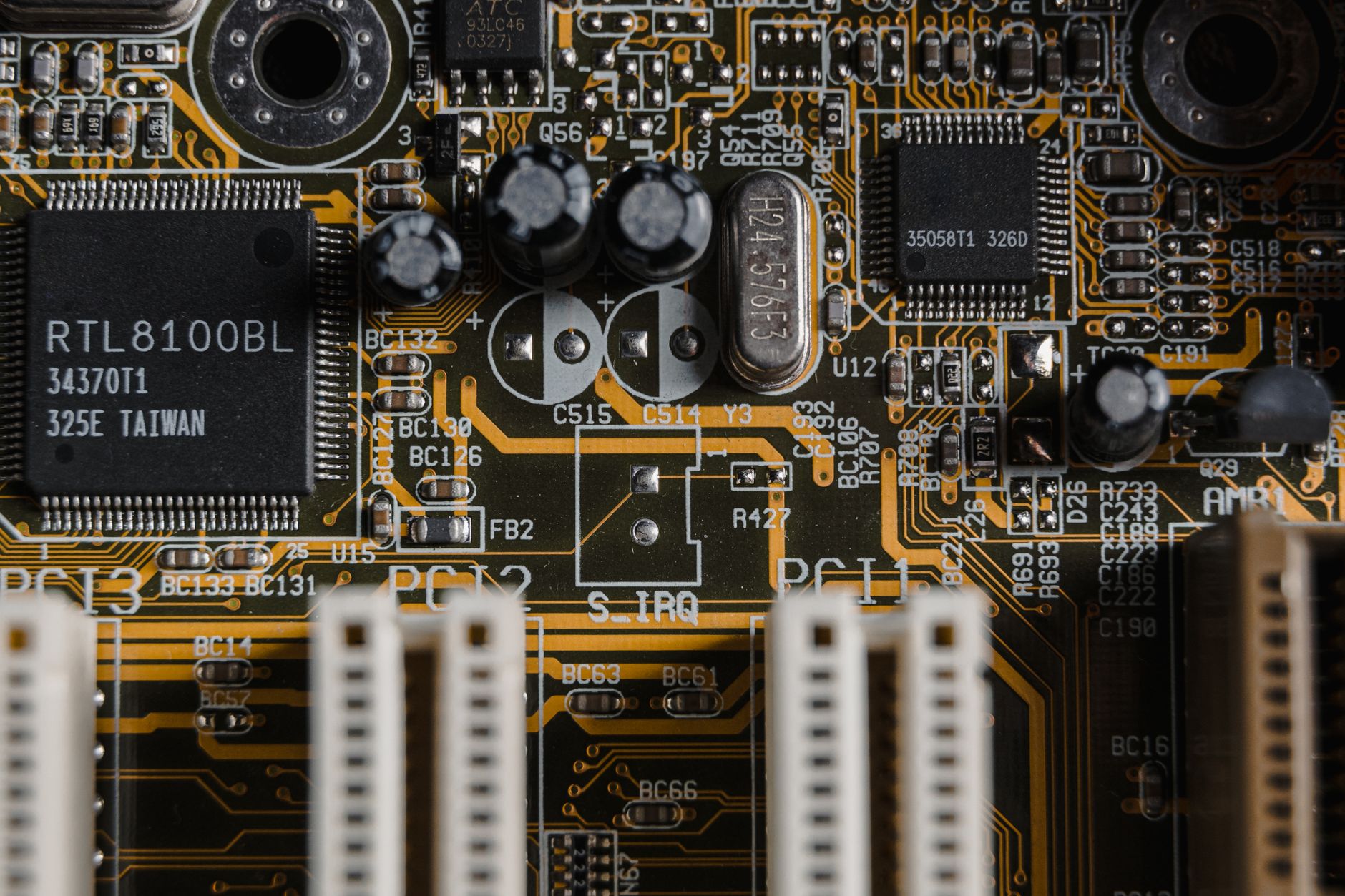
The semiconductor industry is experiencing a seismic shift, driven mainly by the surging demand for artificial intelligence (AI) technologies. In a notable move reflecting this trend, ASML Holding NV, a cornerstone of the chip manufacturing ecosystem, has announced a one-time bonus of €20,000 (approximately $22,862) for its employees worldwide. This decision not only underscores the company's robust financial position but also highlights the critical role of AI in driving unprecedented growth within the semiconductor sector.
Key Takeaways
- ASML is awarding a one-time €20,000 bonus to its global staff as a response to increased demand for AI-driven technology.
- The bonus reflects ASML's substantial profits, attributed largely to the booming AI sector and related technologies.
- This trend of employee bonuses in the semiconductor industry indicates a broader recognition of the pivotal role that workers play in supporting rapid growth.
- ASML's decision may set a precedent for other companies within the tech and semiconductor industries.
- The AI boom is reshaping workforce dynamics, leading to higher compensation and job security for employees in this field.
ASML's Bonus Announcement: A Closer Look
ASML's recent announcement to distribute a one-time bonus of €20,000 to its employees comes as a significant gesture of appreciation amid record sales driven by the insatiable demand for AI technologies. The company, which specializes in advanced photolithography systems used to manufacture semiconductors, reported substantial increases in revenue as AI applications proliferate across industries, from cloud computing to autonomous vehicles.
This bonus isn't just a token acknowledgment; it represents ASML's strategic positioning in a rapidly evolving market where its cutting-edge machines are increasingly essential for the production of advanced chips. With its EUV (Extreme Ultraviolet) lithography technology at the forefront, ASML has become a linchpin in the global semiconductor supply chain, and the company is leveraging its success to foster employee loyalty and satisfaction.
Amidst rising inflation and labor shortages, ASML's decision also reflects a broader trend within the tech sector where companies are recognizing the importance of their workforce. This move by ASML is reminiscent of similar actions taken by other tech companies and chip manufacturers in recent months, highlighting a collective effort to support employees during a period of intense market competition and heightened operational demands.
Why This Matters
The announcement of ASML's bonus is significant not just for its immediate financial implications, but for the broader industry as well. The semiconductor sector has been under immense pressure due to the rapid acceleration of AI technologies, which have fundamentally altered the landscape. As companies race to develop more powerful and efficient chips to support AI applications, the demand for ASML's cutting-edge lithography systems has soared, resulting in record sales and profits.
The bonus signifies a growing acknowledgment of the workforce's role in achieving these successes. As firms in the tech sector continue to see profits surge, this could encourage a ripple effect, prompting others in the industry to offer similar incentives to retain talent and maintain morale. The tech industry, particularly the semiconductor sector, is known for its highly skilled workforce, and retaining these employees is crucial as competition heats up.
The move also highlights the increasing importance of corporate responsibility and employee well-being in the tech industry. With the demand for skilled labor at an all-time high, companies are realizing that their employees are their most valuable assets, and supporting them through financial incentives is a strategic investment in their future success.
Background and Context
The semiconductor industry has always been cyclical, influenced by technological advancements and market demands. For decades, ASML has been at the forefront of innovation, developing tools that allow manufacturers to create smaller, faster, and more efficient chips. In recent years, the rise of AI has marked a new chapter in the industry, with demand for high-performance chips skyrocketing.
The growth of AI applications—from machine learning to natural language processing—has created a pressing need for advanced semiconductors that can handle vast amounts of data with speed and efficiency. As a result, companies like ASML have seen their technologies become indispensable. This shift has not only fueled ASML's financial performance but has also reshaped workforce dynamics, leading to increased job security and higher wages across the sector.
Expert Analysis
ASML's decision to grant a €20,000 bonus to its employees can be viewed as a strategic maneuver in several ways. Firstly, it acts as a powerful tool for employee retention in an era where skilled labor is in short supply. The tech industry has seen a significant uptick in job hopping, with employees increasingly willing to switch companies for better pay, benefits, or work-life balance. By offering this substantial bonus, ASML not only rewards its employees but also sends a clear message that it values their contributions and is committed to their welfare.
Secondly, this bonus can be interpreted as a proactive response to the competitive landscape. As demand for AI chips continues to rise, companies that can maintain a motivated and satisfied workforce will likely outperform their rivals. ASML's approach may set a precedent, encouraging other businesses in the semiconductor and technology sectors to follow suit in recognizing and rewarding their employees.
Moreover, the bonus highlights the interconnected nature of the AI and semiconductor industries. ASML's success is intrinsically linked to the growing market for AI technologies, and by investing in its workforce, the company is essentially investing in its own future. As AI continues to evolve and expand into new areas, the need for advanced semiconductors will only increase, creating a virtuous cycle of demand and opportunity.
What This Means for Employees and the Industry
For employees, ASML's €20,000 bonus represents a meaningful financial boost, particularly in an economic environment marked by rising costs and inflation. It can enhance job satisfaction, reduce turnover rates, and improve overall morale within the company. As employees feel more valued and secure in their positions, they are likely to invest more in their work, leading to increased productivity and innovation.
This trend of employee bonuses is likely to continue across the semiconductor industry, as other firms recognize the importance of a motivated workforce in achieving long-term success. Companies that fail to offer competitive compensation packages may find themselves struggling to attract and retain top talent, resulting in a talent drain and a potential slowdown in innovation.
Furthermore, the implications of ASML's bonus extend beyond its immediate workforce. As more companies adopt similar practices, we may see a shift in industry standards regarding employee compensation and benefits. This could lead to a more equitable distribution of profits within the semiconductor sector, where workers are acknowledged as key contributors to success.
Frequently Asked Questions
Why is ASML giving a €20,000 bonus to employees?
ASML is awarding the bonus as a response to record sales driven by heightened demand for AI technologies. It aims to reward employees for their contributions and enhance retention in a competitive job market.
What impact will this bonus have on ASML's workforce?
The bonus is expected to improve employee morale, job satisfaction, and retention rates, fostering a more motivated and committed workforce that can drive future innovation.
Is ASML the only company offering bonuses in the semiconductor industry?
No, ASML's decision follows a trend within the semiconductor sector, where several companies have started offering bonuses as a way to recognize and reward employees amid rising demand for technology.
How does the AI boom influence the semiconductor industry?
The AI boom has significantly increased the demand for advanced semiconductors required for high-performance computing, leading to record sales for companies like ASML that provide essential manufacturing equipment.
The Road Ahead
Looking forward, ASML's bonus could herald a new era in the semiconductor industry, where employee compensation and recognition become key components of corporate strategy. As the demand for AI technologies continues to escalate, companies will need to ensure they have the right talent to support this growth. This may lead to higher salaries, enhanced benefits, and more robust employee engagement initiatives across the board.
In conclusion, ASML's decision to offer a €20,000 bonus is not just about rewarding employees; it signals a broader recognition of the interplay between workforce satisfaction and business success in the tech industry. As the semiconductor sector evolves, the focus on employee well-being will likely become increasingly vital, shaping the future of work in this critical industry.



