Apple's Lawsuit Against OpenAI: Implications for the IPO Landscape
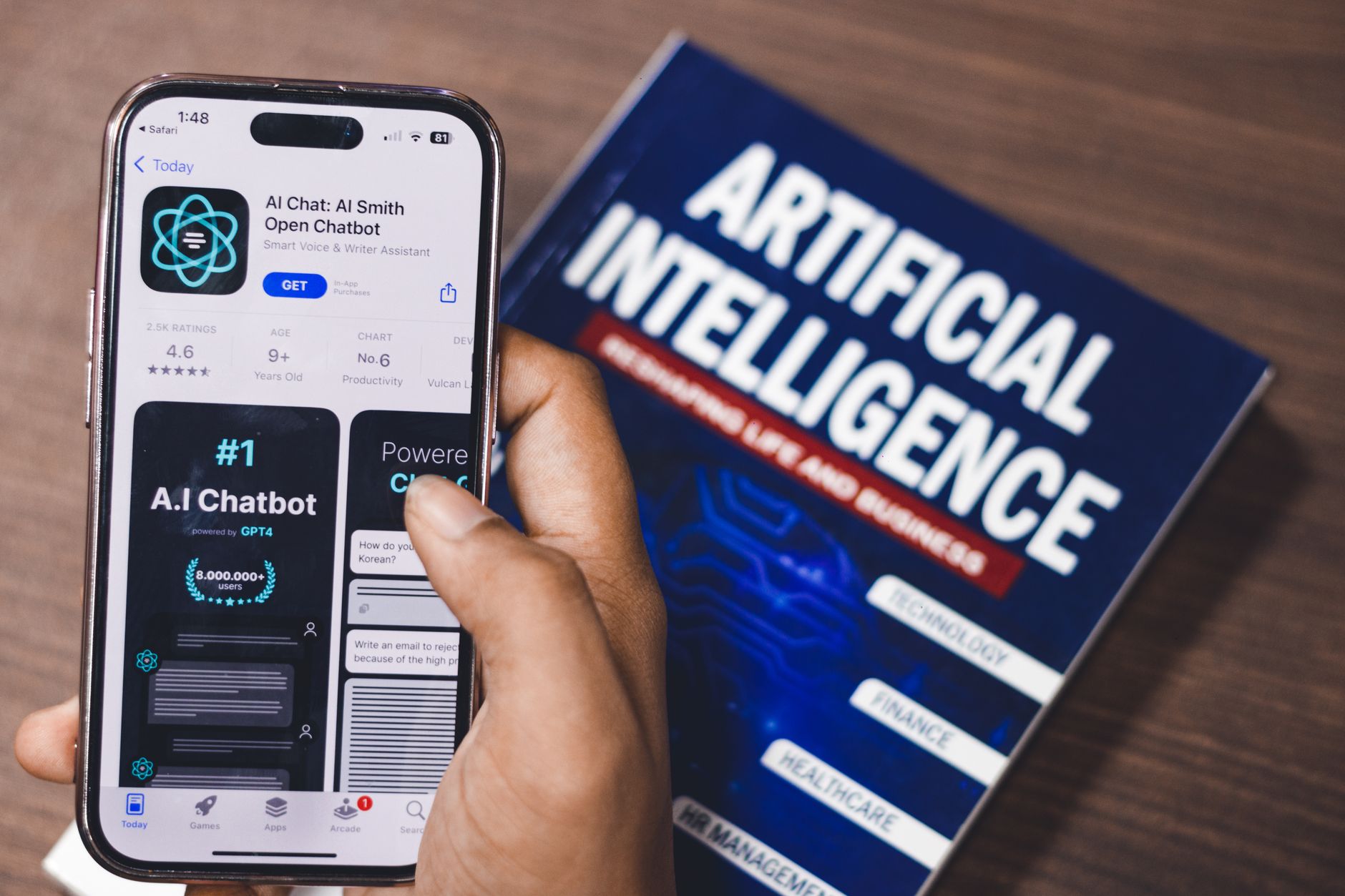
In a surprising turn of events, Apple has filed a trade secrets lawsuit against OpenAI, a move that has sent shockwaves through the tech industry. The lawsuit alleges that OpenAI has engaged in a pattern of misconduct involving the recruitment of former Apple employees, including claims that over 400 of them are now part of OpenAI. With OpenAI reportedly preparing for an IPO, the timing of this lawsuit raises critical questions about the potential ramifications for both companies and the broader tech landscape.
Key Takeaways
- Apple has filed a serious lawsuit against OpenAI, alleging trade secrets violations.
- The lawsuit claims that OpenAI's chief hardware officer is involved in misconduct related to the hiring of former Apple employees.
- More than 400 former Apple employees are now at OpenAI, which complicates the legal landscape.
- The lawsuit comes at a crucial time for OpenAI, which is reportedly eyeing an IPO.
- The outcome could have significant implications for OpenAI's valuation and the future of AI innovation.
What Happened
Apple's lawsuit against OpenAI, filed last Friday, marks a significant escalation in the ongoing battle between two of the most influential tech companies in the world. The suit alleges that OpenAI has not only misappropriated trade secrets but has also engaged in unethical hiring practices that undermine the integrity of Apple’s business operations. Apple’s complaint points towards a systematic effort by OpenAI to lure away its employees, including those with access to sensitive information.
The lawsuit specifically names OpenAI's chief hardware officer, suggesting that there may be a direct link between him and the alleged misconduct. This level of detail implies that Apple is prepared for a lengthy legal battle, equipped with specific allegations rather than vague accusations. For OpenAI, which has been on an impressive growth trajectory, this lawsuit could shift public perception and investor confidence at a critical juncture.
Why This Matters
The implications of Apple's lawsuit against OpenAI extend far beyond the courtroom. For OpenAI, the timing is particularly precarious. The company is reportedly preparing for an initial public offering (IPO), a move that could catapult its valuation into the stratosphere. However, the legal challenges presented by Apple's lawsuit could significantly complicate these plans. The optics of an ongoing legal battle may deter potential investors who are wary of the risks associated with litigation.
Moreover, the lawsuit raises broader questions about trade practices within the tech industry, particularly in the highly competitive field of artificial intelligence. With tech giants like Apple investing billions into AI research and development, the concern over trade secrets and employee poaching is more pertinent than ever. This case could set a precedent for how companies manage their intellectual property and employee transitions, potentially leading to stricter regulations or industry standards.
Background and Context
Trade secrets lawsuits are not new in the tech industry, but the scale and potential impact of Apple's suit against OpenAI are noteworthy. The legal framework surrounding trade secrets is designed to protect companies from unfair competition and the unauthorized use of proprietary information. In recent years, high-profile cases, such as Waymo's lawsuit against Uber, have highlighted the fierce rivalry between tech companies and the lengths they will go to protect their intellectual property.
OpenAI, a pioneer in the field of artificial intelligence, has become a key player in the tech landscape, particularly with its advancements in natural language processing and machine learning. Its rapid growth has attracted significant investments and interest from major players in the industry. On the other hand, Apple has long been known for its strong emphasis on privacy and security, making this lawsuit particularly emblematic of its commitment to protecting its intellectual property.
Expert Analysis
From a legal perspective, Apple's lawsuit poses several challenges for OpenAI. If the court finds in favor of Apple, the ramifications could be severe, ranging from monetary damages to injunctions that could limit OpenAI's business practices. Furthermore, the lawsuit could uncover more information about OpenAI's hiring practices and business strategies, potentially leading to further scrutiny from regulators and competitors.
The allegations concerning OpenAI's chief hardware officer specifically point to a possible breach of fiduciary duty, which could complicate matters even further. If it is proven that he engaged in misconduct, there could be severe consequences for OpenAI's leadership and operational integrity. This situation underscores the importance of ethical hiring practices and the need for companies to maintain strict internal controls to prevent leaks of sensitive information.
What This Means for OpenAI, Investors, and the Tech Industry
For OpenAI, the immediate challenge is to navigate this lawsuit while maintaining its growth trajectory. Investors who were excited about the prospect of an IPO may now be hesitant, given the uncertainties associated with ongoing litigation. This could lead to a decline in investment interest, affecting OpenAI's valuation and its long-term prospects.
From a broader industry perspective, this case could serve as a wake-up call for other tech companies. The lawsuit highlights the importance of safeguarding trade secrets and the potential consequences of aggressive hiring practices. Companies may need to reassess their employment policies and consider implementing stricter non-compete clauses or confidentiality agreements to mitigate risks associated with employee poaching and trade secret theft.
Frequently Asked Questions
What are trade secrets, and why are they important?
Trade secrets refer to proprietary information that gives a company a competitive edge, such as formulas, processes, or customer lists. They are crucial for maintaining market position and profitability.
How could this lawsuit impact OpenAI's IPO plans?
The lawsuit introduces uncertainty that could deter investors, potentially leading to a lower valuation or delaying the IPO process. Legal battles can also consume significant resources and attention.
What are the potential outcomes of the lawsuit?
If Apple prevails, OpenAI could face monetary damages and restrictions on hiring practices. Conversely, if OpenAI wins, it may reinforce its business model and hiring strategies.
Could this lawsuit affect other tech companies?
Yes, the outcome could influence how tech companies manage their trade secrets and hiring practices, potentially leading to changes in industry standards and practices.
The Road Ahead
As this legal battle unfolds, the tech industry will be closely monitoring the proceedings and their implications. For OpenAI, it is essential to strike a balance between defending its business interests and maintaining investor confidence. The company will need to demonstrate transparency and stability to reassure potential investors about its long-term viability.
Looking ahead, the case may prompt a reevaluation of how tech companies protect their intellectual property and manage employee transitions. This could lead to a shift in industry practices, emphasizing the need for robust legal frameworks to safeguard trade secrets while promoting innovation and collaboration. Ultimately, the outcome of Apple's lawsuit against OpenAI could shape the future landscape of the tech industry for years to come.



