Apple's $30 Billion Chip Deal with Broadcom: Implications and Insights
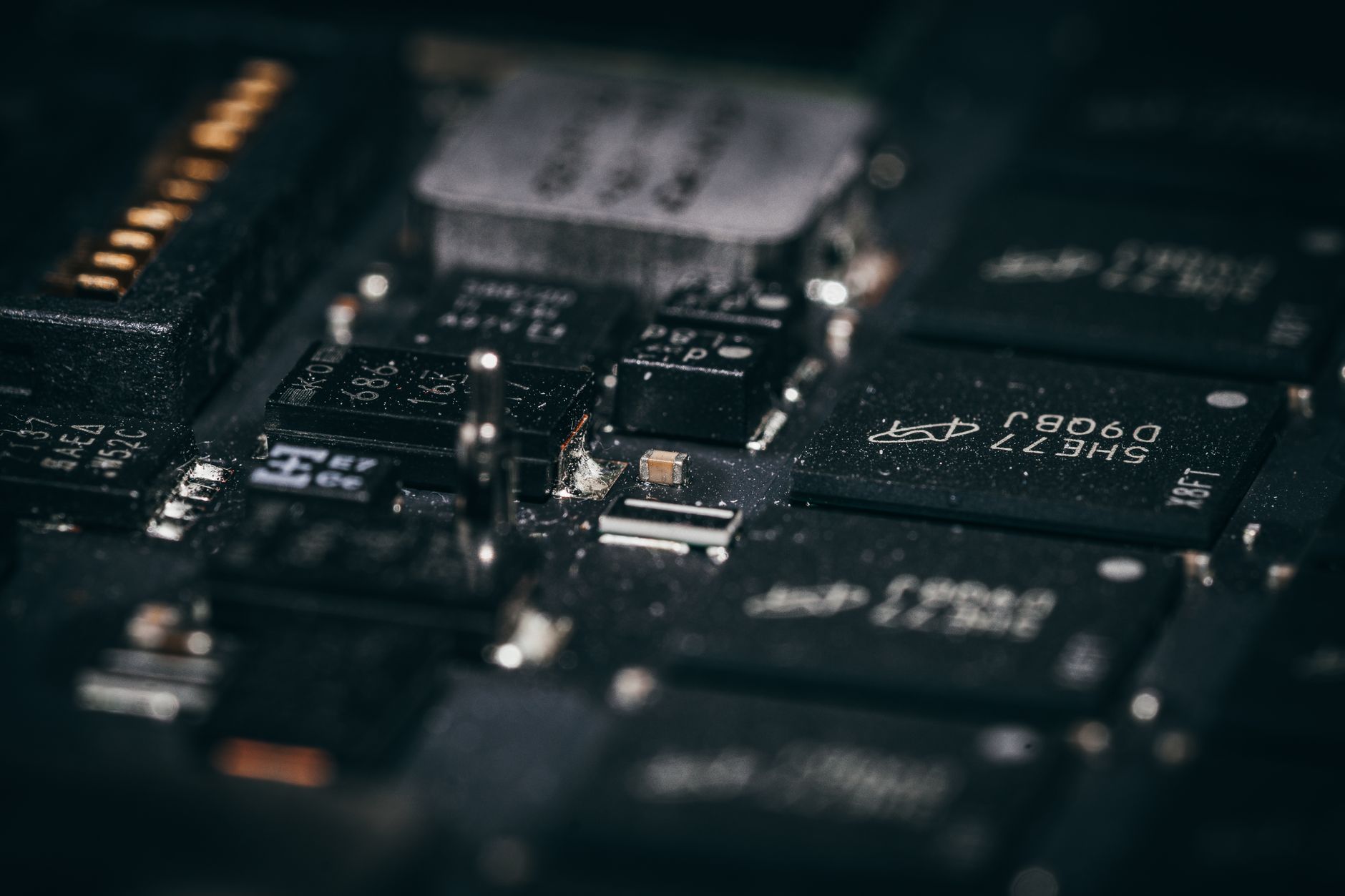
In a significant move to bolster its supply chain and manufacturing capabilities within the United States, Apple Inc. has announced an expanded agreement with Broadcom Inc. that is expected to exceed $30 billion. This partnership underscores Apple's commitment to sourcing components domestically, which aligns with broader economic trends favoring local manufacturing over reliance on international supply chains.
Key Takeaways
- Apple's new agreement with Broadcom is projected to exceed $30 billion, reflecting a significant investment in US-made components.
- This deal aligns with Apple's strategy to enhance its supply chain resilience after global semiconductor shortages.
- The partnership aims to support the development of advanced technologies, including 5G, Wi-Fi, and future wireless standards.
- Localizing production is not only a response to geopolitical tensions but also a move to ensure better control over quality and innovation.
- The deal could have ripple effects across the semiconductor industry, influencing market dynamics and competition.
A New Chapter in Apple and Broadcom's Partnership
The agreement between Apple and Broadcom marks a pivotal moment in their ongoing partnership, originally established over a decade ago. The expanded deal signifies Apple's robust commitment to increasing its domestic manufacturing footprint, something that aligns with CEO Tim Cook's vision of a more self-sufficient supply chain. By investing heavily in Broadcom, Apple is likely aiming to secure a reliable source of critical components that power its vast array of devices, from iPhones and iPads to Mac computers.
This agreement is set against a backdrop of shifting global supply chains, where geopolitical tensions and pandemic-related disruptions have exposed vulnerabilities in relying heavily on overseas manufacturing. Apple, having faced significant challenges due to chip shortages in recent years, recognizes the urgent need to strengthen its supply chain resilience. By directing resources to US-based suppliers like Broadcom, Apple is not only ensuring greater control over its operational framework but is also supporting the American economy, which may resonate well with consumers and investors alike.
Why This Matters
The implications of this deal extend far beyond Apple and Broadcom. At a time when the semiconductor industry is grappling with significant challenges, this partnership signals a potential shift in how tech giants approach their supply chains. Apple’s decision to invest heavily in domestic chip manufacturing can be seen as a response to both market pressures and the need for greater innovation.
By fostering local production, Apple is likely to encounter fewer delays associated with transportation and customs, which have been prevalent in recent years. Additionally, this move may prompt other technology firms to reevaluate their supply chain strategies, potentially leading to a broader trend of domestic sourcing within the industry. The ripple effects could reshape the semiconductor landscape, fostering more competition and innovation across the board.
Background and Context
The semiconductor industry has undergone a dramatic transformation over the last few decades. With the rapid advancement in technology, the demand for chips has skyrocketed, impacting everything from consumer electronics to automotive production. Historically, companies like Apple have relied heavily on overseas manufacturers, particularly in Asia, to produce these critical components. However, recent events—including the COVID-19 pandemic and increasing trade tensions—have unveiled significant risks associated with this model.
Apple's commitment to invest in US-made components is a response to these challenges. The company previously pledged to spend $430 billion in the US over the next five years, focusing on job creation and supply chain expansion. This broad strategy has paved the way for partnerships with firms like Broadcom, which plays an essential role in developing the advanced chips necessary for Apple's product ecosystem.
Expert Analysis
From a strategic perspective, the $30 billion agreement with Broadcom represents a multifaceted approach to securing long-term operational efficiency. By investing in a key supplier, Apple not only stabilizes its supply chain but also cultivates a collaborative environment for innovation. This partnership is expected to enhance the development of emerging technologies, particularly in the realms of 5G, Wi-Fi, and other wireless capabilities, which are central to Apple's product offerings.
Moreover, this deal is likely to influence Broadcom's competitive positioning within the semiconductor industry. As one of Apple’s largest suppliers, Broadcom stands to benefit from the financial stability that comes with such a substantial contract. In return, Apple gains not only a reliable source of components but also an opportunity to directly influence the development of technologies tailored to its products. This dynamic could lead to faster innovation cycles, giving Apple a competitive edge in a crowded marketplace.
The investment in US manufacturing also aligns Apple with governmental policies seeking to bolster domestic production capabilities. With increasing scrutiny on the tech industry regarding supply chain ethics and sustainability, Apple’s move may enhance its corporate reputation, appealing to consumers who prioritize ethical sourcing. Ultimately, it reflects a broader trend of reshaping the manufacturing landscape amidst global uncertainties.
What This Means for the Tech Industry and Consumers
For the broader tech industry, this agreement could signal a transformative shift. First, companies may feel pressured to reassess their own supply chain strategies, particularly those heavily reliant on international suppliers. The success of Apple's deal with Broadcom might encourage competitors to pursue similar partnerships, fostering a resurgence in domestic manufacturing.
Consumers stand to benefit from a more stable and innovative technology landscape. With Apple and Broadcom focusing on advanced technologies, products are likely to become more sophisticated, offering enhanced features and improved performance. Additionally, a focus on local manufacturing may lead to more job creation in the tech sector, stimulating local economies and contributing to a more robust workforce.
Frequently Asked Questions
What is the significance of Apple’s $30 billion deal with Broadcom?
This deal signifies Apple’s commitment to enhancing its domestic supply chain and reducing reliance on overseas manufacturers, while also securing a steady supply of critical components.
How will this deal impact the semiconductor industry?
The agreement may prompt other tech companies to evaluate their supply chains, potentially leading to an increase in domestic sourcing and a more competitive semiconductor landscape.
What technologies will benefit from this partnership?
The partnership is expected to support advancements in 5G, Wi-Fi, and other wireless technologies that are essential for Apple’s product ecosystem.
How does this agreement align with Apple's broader business strategy?
This deal aligns with Apple's strategy to ensure supply chain resilience, innovate rapidly, and enhance its reputation for ethical sourcing and corporate responsibility.
The Road Ahead
Looking forward, the implications of this deal will likely unfold in various ways. As Apple continues to deepen its ties with Broadcom, we can expect a wave of innovation in the technologies that power its devices. This partnership could lead to the development of new components that enhance performance, lower costs, and ensure quality control. The focus on domestic sourcing may also encourage other tech companies to follow suit, potentially reshaping the landscape of the semiconductor industry.
Additionally, as the global economy stabilizes, the long-term effects of this investment will be observed in the form of job creation and enhanced efficiencies in the tech supply chain. With the right strategies in place, both Apple and Broadcom could emerge as leaders in the next generation of semiconductor technology, reinforcing their positions in their respective markets and driving a new era of technological advancement.