Anthropic's Code with Claude: A Glimpse into Coding's Future
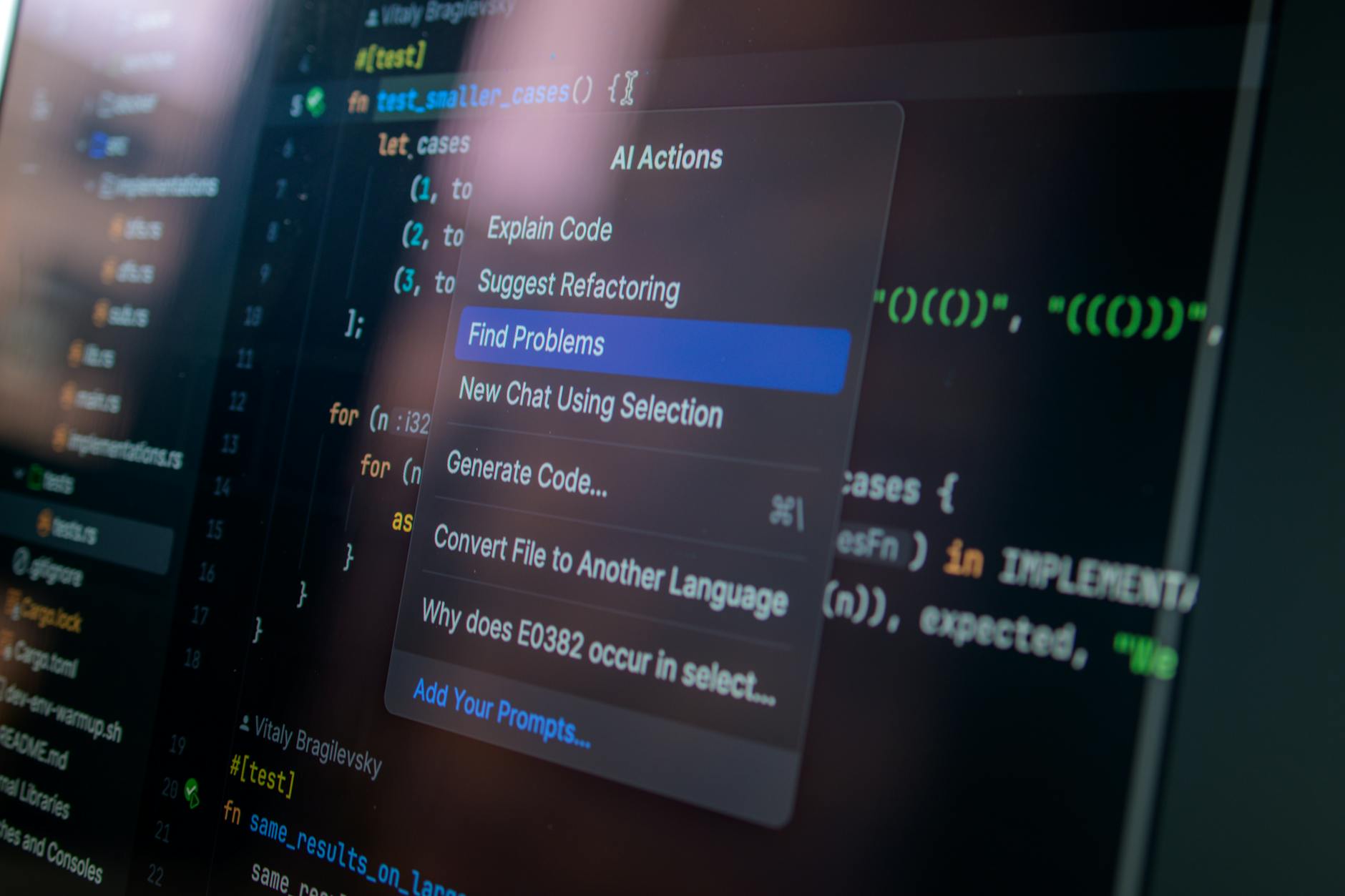
Anthropic’s recent event, Code with Claude, held in London, has sparked discussions about the future of coding. With AI poised to revolutionize how developers approach software creation, the event served as a platform to explore these changes. Amidst the buzz, the implications of AI on coding practices were both celebrated and scrutinized, marking a pivotal moment for the tech community.
Key Takeaways
- Anthropic’s Code with Claude event highlighted AI's transformative role in software development.
- Developers are increasingly integrating AI tools into their workflows, raising questions about job security and coding skills.
- The collaboration between AI and human developers is set to evolve, with potential benefits and challenges ahead.
- Real-world coding scenarios showcased at the event demonstrated the practical applications of AI in programming.
- The future of coding may involve a redefinition of roles, emphasizing creative problem-solving over traditional coding skills.
What Happened at Code with Claude?
On May 19, 2026, Anthropic hosted the Code with Claude event, targeting software developers eager to explore the future of coding in the age of AI. Coinciding with Google’s I/O conference in Palo Alto, the event attracted attention for its timely focus on the intersection of artificial intelligence and software development. Attendees engaged with Anthropic’s latest AI tools, including a demonstration of how these technologies could streamline coding tasks and enhance productivity.
A key highlight of the event was the interactive sessions where developers could witness AI-generated code in action. Participants shared experiences and insights from their own work, with many revealing that their recent pull requests had been heavily influenced by AI tools. This exchange underlined the growing reliance on AI systems to assist in the development process, prompting discussions about the implications for traditional coding practices.
Why This Matters
The significance of Code with Claude extends beyond the event itself; it signals a broader shift in the software development landscape. As developers increasingly adopt AI tools, the nature of coding is evolving. Automation of routine tasks allows programmers to focus on higher-level problem-solving, creativity, and innovation. Yet, this shift raises critical questions about the future of programming jobs and the skills required to thrive in an AI-enhanced environment.
Industry experts argue that while AI can augment coding capabilities, it is not a replacement for human intuition and creativity. The ability to interpret complex problems, understand user needs, and create intuitive interfaces remains essential. Thus, the collaboration between AI and human developers might redefine the coding role rather than eliminate it entirely.
Background and Context
The integration of AI into coding is not a new phenomenon; tech giants have been experimenting with AI-driven coding assistants for several years. Tools such as GitHub Copilot and OpenAI's Codex have paved the way for AI to assist developers in writing code, offering suggestions and automating repetitive tasks. Anthropic's Code with Claude event builds upon this trend, showcasing how their technology can further improve coding efficiency.
Historically, the evolution of programming languages and paradigms has often led to significant shifts in the software development industry. The introduction of high-level programming languages, for instance, democratized coding, making it accessible to a broader audience. Similarly, AI tools stand to make coding even more approachable, shifting the focus from syntax and structure to problem-solving and logic.
Expert Analysis
In examining the implications of AI on coding, it's crucial to consider both the advantages and potential drawbacks. AI tools can significantly enhance productivity, allowing developers to write code faster and with fewer errors. For example, during the Code with Claude event, developers saw firsthand how AI-generated code snippets could reduce the time spent on mundane tasks.
However, the reliance on AI also raises concerns about the dilution of coding skills. As more developers turn to AI for assistance, there is a risk that foundational programming knowledge may weaken. This shift could lead to a generation of developers who excel at using AI tools but lack the understanding of core programming principles. For the industry, this could mean a future workforce that is highly dependent on AI without the ability to troubleshoot or innovate outside of predefined parameters.
Moreover, the ethical implications of AI in coding cannot be overlooked. As AI systems are trained on vast datasets, issues of bias and intellectual property come into play. Developers must navigate the challenge of ensuring that the code generated by AI adheres to ethical standards and respects existing copyrights. The Code with Claude event served as a reminder that as we advance technologically, we must also consider the moral implications of the tools we create.
What This Means for Developers
For developers, the emergence of AI tools like those showcased at Code with Claude presents both opportunities and challenges. The potential for increased efficiency and creativity is immense, but it also requires a shift in mindset. Developers will need to adapt to new workflows that incorporate AI, which may involve rethinking their approach to problem-solving and collaboration.
As AI becomes a more integral part of the development process, continuous learning will be essential. Developers must stay updated on the latest advancements in AI technology and how to leverage these tools effectively. This may involve participating in training programs, workshops, or online courses focused on AI-assisted coding.
Additionally, the relationship between human developers and AI systems will likely evolve into one of collaboration rather than competition. Developers will need to embrace their unique strengths, such as creativity and critical thinking, while allowing AI to handle more routine tasks. This hybrid approach could lead to more innovative solutions and a richer coding experience.
Frequently Asked Questions
What is Code with Claude?
Code with Claude is an event hosted by Anthropic that focuses on the future of coding and the integration of AI tools into software development. The recent event took place in London and featured demonstrations and discussions surrounding AI's role in coding.
How does AI affect traditional coding jobs?
AI tools can enhance productivity and efficiency, but they also raise concerns about skill dilution. While AI can assist in routine tasks, developers will need to adapt and focus on higher-level problem-solving to remain relevant in the industry.
Are AI-generated code snippets reliable?
AI-generated code snippets can be highly effective in reducing errors and speeding up the coding process. However, developers must review and test these snippets to ensure they meet quality standards and fulfill user requirements.
What skills will be important for developers in an AI-driven landscape?
In an AI-driven coding environment, skills such as creativity, critical thinking, and the ability to collaborate with AI systems will be crucial. Developers will also need to stay informed about advancements in AI technology and improve their understanding of ethical implications.
The Road Ahead
The future of coding is undeniably intertwined with advancements in AI technology. As tools like those showcased at Code with Claude continue to evolve, developers will face new challenges and opportunities. Embracing these changes will require a proactive approach to learning and adaptation, allowing developers to harness the potential of AI while retaining their unique contributions to the field.
Looking ahead, the dialogue surrounding AI’s role in coding will likely grow more nuanced. The industry must address ethical considerations and strive for a balance that encourages innovation while safeguarding against potential pitfalls. By fostering collaboration between human developers and AI systems, the tech community can work towards a future where creativity and technology coexist harmoniously.