Alphabet's New AI Chip 'Frozen v2' Sparks Investor Optimism
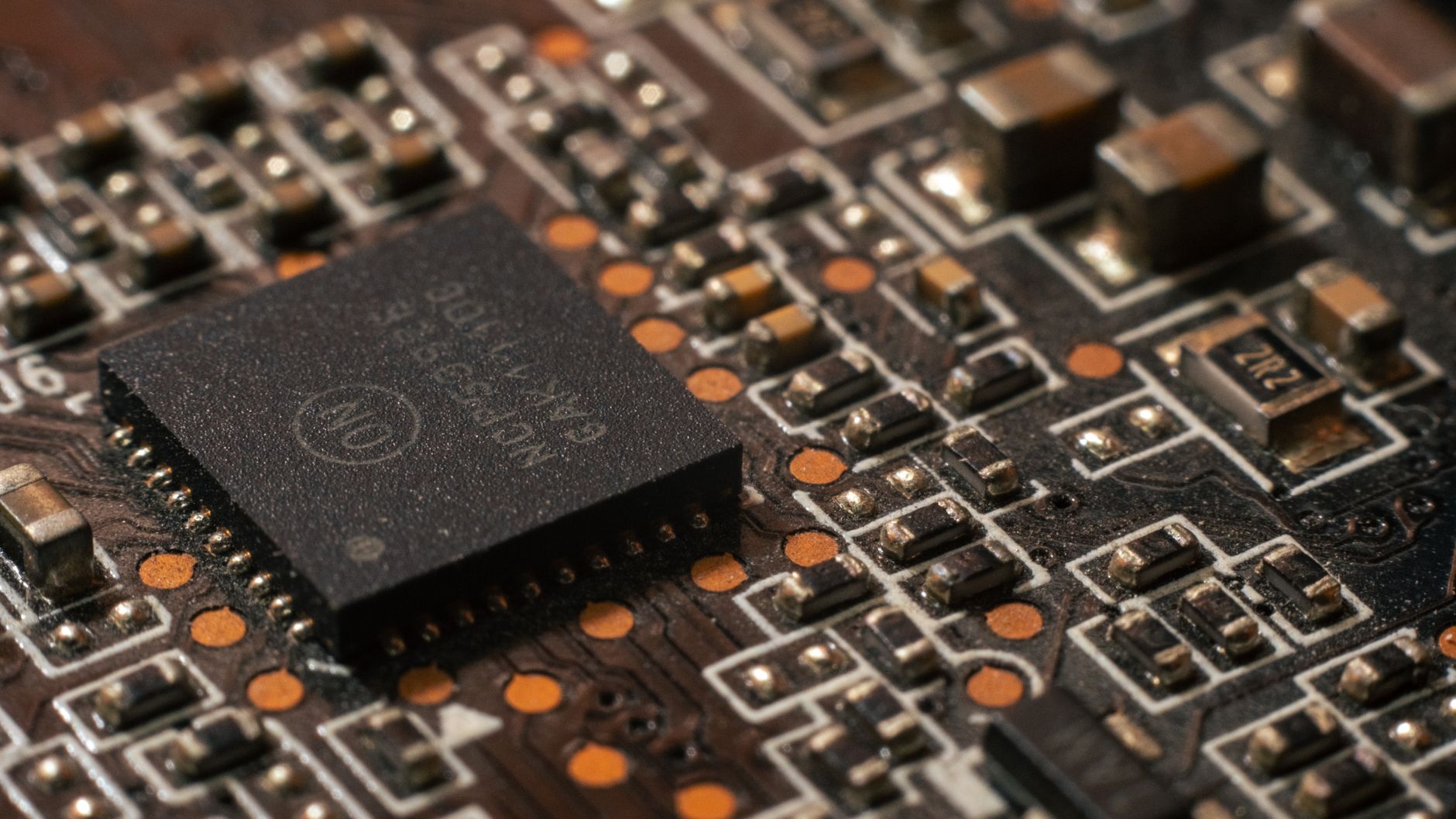
In a significant move that has captivated the tech industry, Alphabet Inc. is reportedly developing a new AI chip, dubbed "Frozen v2," which promises to embed parts of its Gemini architecture directly into the silicon. The announcement has led to a notable uptick in Alphabet’s stock, highlighting the market's confidence in the company’s ability to innovate amidst fierce competition in the AI sector.
Key Takeaways
- Alphabet’s new AI chip, Frozen v2, aims to enhance efficiency by integrating Gemini architecture.
- Investors responded positively, with Alphabet's stock experiencing a significant price increase.
- The move underscores Alphabet’s commitment to leading the AI hardware space.
- Frozen v2 could play a critical role in supporting Alphabet’s extensive AI applications, including cloud services and consumer products.
- This development reflects a broader trend of tech giants investing heavily in proprietary chip technology to optimize AI performance.
Understanding the News
The news of Alphabet's development of the Frozen v2 AI chip comes at a time when AI technology is gaining unprecedented traction across various sectors. Following a report detailing how the new chip will integrate components of the Gemini architecture, investors have exhibited heightened enthusiasm, resulting in a surge in Alphabet's stock prices. This development is not merely a technical enhancement; it symbolizes a strategic pivot within Alphabet aimed at maintaining its competitive edge in the increasingly crowded AI landscape.
Frozen v2 is expected to leverage cutting-edge semiconductor technology and machine learning advancements, aligning with Alphabet’s broader objectives to enhance the performance and efficiency of its AI services. By embedding Gemini's architecture directly into the chip, Alphabet seeks to optimize data processing capabilities, which could ultimately lead to faster and more efficient AI tools across its product ecosystem.
Why This Matters
This development is crucial for several reasons. First, the AI chip market is rapidly evolving, with companies like NVIDIA and AMD leading the charge. Alphabet's entry with Frozen v2 signifies its intent to not only participate in this market but to potentially disrupt it by offering superior performance metrics compared to existing solutions. The ability to design chips tailored specifically for AI applications may allow Alphabet to create more efficient algorithms, ultimately leading to better user experiences across its platforms.
Moreover, as AI technology becomes integral to various industries, the demand for custom-designed chips is anticipated to soar. Companies that can produce chips that excel in handling AI workloads will likely capture significant market share. Alphabet’s investment in the Frozen v2 chip is a clear indication of its commitment to securing its position as a leader in AI technology and hardware innovation.
Background and Context
The concept of integrating AI capabilities directly into hardware is not new, but it has gained momentum over the past few years. Traditional processors often struggle with the sheer volume of data and the complex computations required for AI applications. This has led to the development of specialized chips, such as graphics processing units (GPUs) and tensor processing units (TPUs), designed to handle the unique demands of AI workloads effectively.
Alphabet has been involved in developing custom chips for years, with its TPU technology already being utilized in various applications, including Google Cloud services. The introduction of the Frozen v2 chip represents a refinement of this approach, with an emphasis on embedding AI architecture directly into the silicon for efficiencies that could outpace traditional designs. This strategic direction may well place Alphabet at the forefront of the next wave of AI advancements.
Expert Analysis
Investors are understandably enthusiastic about the potential of Frozen v2, but it’s important to dissect the implications of this development beyond immediate stock price reactions. The integration of Gemini architecture into the chip design represents a significant step toward creating a more cohesive ecosystem for Alphabet’s AI services. By streamlining the hardware and software interaction, Alphabet may enhance the performance of services that rely on real-time data processing, such as Google Assistant, Google Cloud AI, and even consumer hardware like Pixel devices.
From a technical standpoint, the benefits of embedding AI architecture directly into the chip include reduced latency, improved energy efficiency, and the ability to execute more complex algorithms without the overhead traditionally associated with data transfer between separate hardware components. This could lead to innovative features and capabilities that set Alphabet’s services apart in an increasingly crowded marketplace.
Furthermore, the development of the Frozen v2 chip could signal a shift in how Alphabet approaches hardware in the context of its overall corporate strategy. With tech giants like Amazon and Microsoft heavily investing in AI and cloud infrastructure, Alphabet’s commitment to developing proprietary hardware is a strategic move to ensure that it has the tools necessary to compete effectively. This could lead to more collaborative efforts between hardware and software teams within Alphabet, fostering a culture of innovation that may yield breakthrough technologies in the future.
What This Means for the AI Industry
The introduction of the Frozen v2 chip is likely to have ripple effects throughout the AI industry. For one, it may accelerate the trend of companies developing custom silicon tailored for AI applications. As more tech firms recognize the importance of optimizing hardware for AI, we could see a new wave of innovation that prioritizes efficiency and performance.
Moreover, this development could heighten competition among major players in the AI space. Companies that are unable to keep pace with advances in hardware capabilities may find themselves at a disadvantage, prompting a reevaluation of their own strategies. This could lead to increased partnerships, acquisitions, and investments in AI-related technologies as companies scramble to ensure they remain competitive.
Frequently Asked Questions
What is the Frozen v2 AI chip?
The Frozen v2 AI chip is an upcoming silicon designed by Alphabet that aims to integrate parts of its Gemini architecture, enhancing efficiency and performance for AI applications.
Why is Alphabet developing its own AI chip?
Alphabet is developing its own AI chip to optimize its AI services, reduce latency, and improve energy efficiency, helping it maintain a competitive edge in the AI market.
How will Frozen v2 impact Alphabet's AI services?
Frozen v2 is expected to enhance the performance of Alphabet's AI services, making them faster and more efficient, which can lead to improved user experiences across its platforms.
What does this mean for the AI industry as a whole?
The development of Frozen v2 may encourage other companies to invest in custom AI hardware, leading to increased competition and innovation within the AI sector.
The Road Ahead
The future of Alphabet’s Frozen v2 AI chip is bright, but it is essential to consider the challenges that lie ahead. As the company moves toward finalizing the chip's design and production, it will need to navigate technical hurdles and ensure that it can scale manufacturing to meet the anticipated demand. Additionally, the competitive landscape is ever-evolving, with numerous tech giants vying for dominance in AI hardware.
Looking forward, Alphabet may not only leverage Frozen v2 for its internal applications but could also consider broader commercial opportunities. If successful, Frozen v2 could become a benchmark in AI chip design, potentially leading to partnerships or licensing agreements with other tech firms eager to enhance their AI capabilities. As we follow Alphabet’s journey with this innovative chip, it will be fascinating to see how it shapes the future of AI technology and the company's position within the industry.
Sources and Further Reading
Related
 UK ministers explore compulsory AI safety reporting
 Fixated on AI, the world has forgotten what is staring it in the face: nuclear annihilation | Simon Tisdall
 Danu Robotics’ fight to build a better recycling robot
 Trump hosts awards party for tech billionaires, almost as if he doesn’t care about ordinary Americans