Alibaba Wins Temporary Relief from Pentagon Lobbying Ban
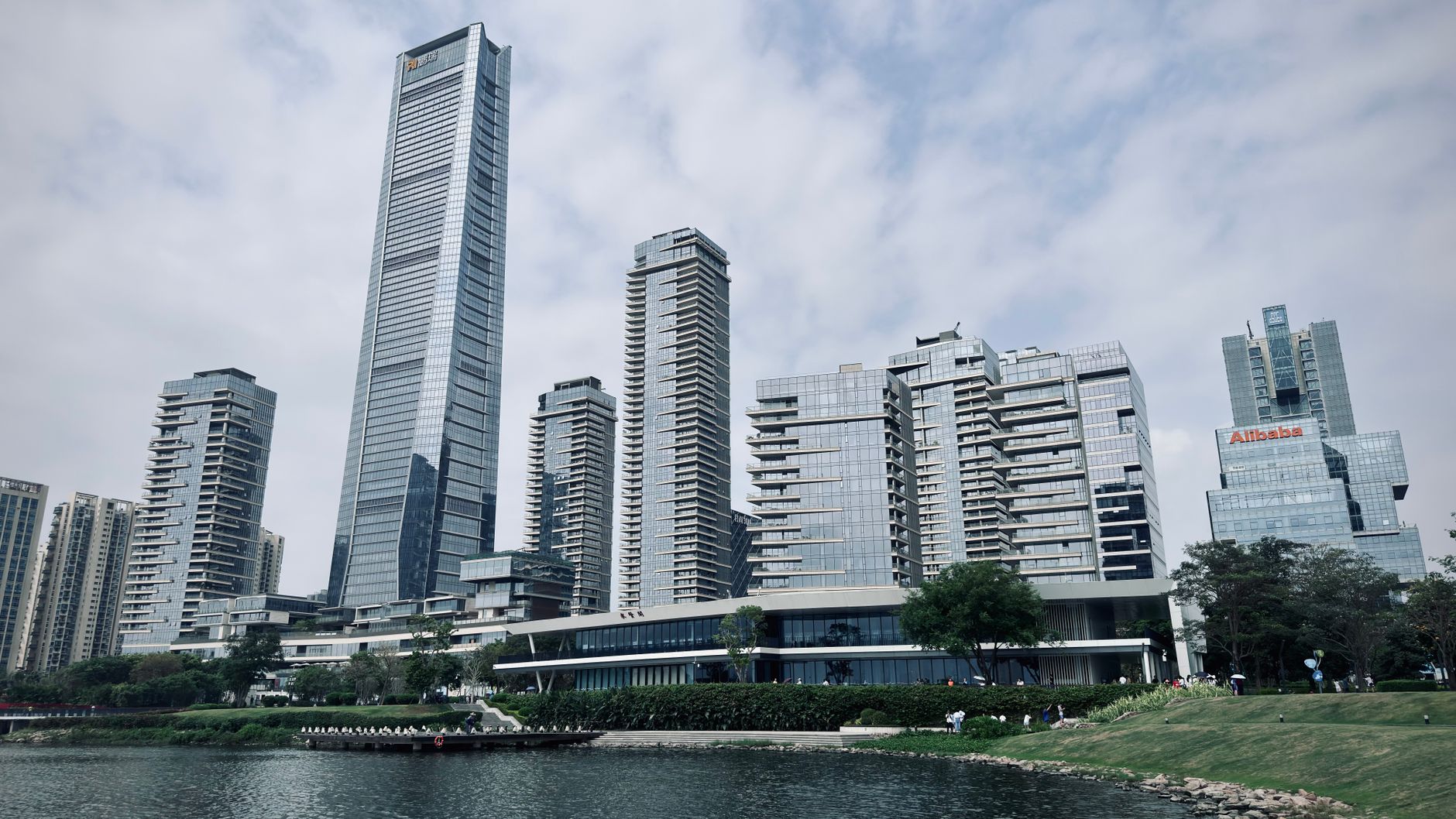
In a pivotal moment for international corporate relations, Alibaba Group Holding Ltd. has secured a temporary reprieve from a Pentagon-imposed lobbying ban. This development, delivered through a federal judge's ruling, opens a crucial dialogue about the broader implications of restricting Chinese companies within the United States. As Alibaba navigates this uncertain terrain, the implications of this ruling extend far beyond the company itself — they signal an ongoing struggle between national security interests and global business practices.
Key Takeaways
- Federal judge grants Alibaba a reprieve from a Pentagon lobbying ban.
- The ruling will examine the constitutionality of the ban affecting Chinese firms.
- Implications extend to U.S.-China relations and global business operations.
- Lobbying restrictions represent increasing tensions over national security.
- Potential long-term effects on how foreign companies engage in U.S. markets.
Understanding the Lobbying Ban
The Pentagon's lobbying ban on Alibaba stems from a broader initiative aimed at restricting Chinese companies' activities in the U.S. market due to national security concerns. Companies that fall under this ban are effectively sidelined from influencing policy decisions through lobbying, which is a significant tool for corporations to advocate for their interests. The implications of this ban are vast, particularly as it raises questions about the thresholds for national security and the legal constraints on international commerce.
In the case of Alibaba, a federal judge's recent ruling has temporarily halted the enforcement of this ban while the constitutionality of the measure is evaluated. This reprieve allows Alibaba's lobbyists to resume their activities, effectively reinstating the company's voice in U.S. policy discussions. The judge's decision points to a critical intersection of law and commerce, where corporate rights and national security interests collide.
Why This Matters
The implications of this ruling extend far beyond Alibaba. For one, it signals a potential shift in how U.S. authorities may approach foreign entities, particularly those from China, which have been increasingly scrutinized in light of recent geopolitical tensions. The outcome of this case could set a precedent for how similar cases are handled in the future, affecting not just Alibaba but numerous other Chinese companies that may wish to operate within the U.S. market.
This situation also reflects the broader narrative of U.S.-China relations, which have been strained by trade disputes, technological competition, and national security concerns. As the U.S. government continues to evaluate the risks posed by foreign entities, the legal framework surrounding lobbying and corporate influence will likely undergo further scrutiny. The implications for businesses seeking to navigate this landscape could be profound, as they may face an increasingly complex web of regulations and restrictions.
Background and Context
Historically, the U.S. government has taken a cautious approach toward foreign investment, especially from nations viewed as strategic adversaries. The Committee on Foreign Investment in the United States (CFIUS) has been instrumental in reviewing foreign transactions to ensure they do not pose national security risks. Over the years, as tensions between the U.S. and China have escalated, particularly in the tech sector, policies have increasingly favored domestic companies and imposed limitations on foreign enterprises.
Alibaba, one of China’s tech giants, has been at the forefront of this tension. As the company expanded into various sectors, including cloud computing and e-commerce, it became a target for scrutiny under U.S. national security laws. The Pentagon’s lobbying ban reflects a broader pattern of regulatory actions aimed at curbing the influence of Chinese firms. This context is crucial for understanding the stakes involved in this legal battle and the potential ramifications for international business operations.
Expert Analysis
Analyzing the implications of this ruling requires an understanding of the delicate balance between national security and economic engagement. The judge's decision to grant a reprieve is rooted in constitutional principles, which could provide a lifeline for not just Alibaba but potentially other foreign companies that find themselves in similar positions. If the court ultimately rules against the Pentagon's ban, it could pave the way for a more open dialogue between foreign companies and U.S. policymakers.
Furthermore, this case underscores the challenges faced by companies operating in a highly charged geopolitical environment. With the U.S. government making national security claims against foreign firms, businesses must now navigate a labyrinth of regulations that can shift with changing political winds. The outcomes of such cases could redefine the rules of engagement for foreign companies in America, impacting their strategies and operations significantly.
What This Means for U.S. Companies and Foreign Investors
For U.S. companies, this situation illustrates the risks of operating in a globalized economy where national security concerns can suddenly alter the landscape. Companies engaged in international trade or technology partnerships must remain vigilant about the evolving regulatory environment. The ruling represents both a challenge and an opportunity; for those willing to adapt, it may offer pathways to influence policy while navigating potential restrictions.
Foreign investors, particularly from China, will need to reassess their strategies in light of this ruling. The ability to lobby and engage with U.S. policymakers is crucial for securing favorable conditions for business operations. Companies that have been sidelined by similar bans may find this ruling offers a template for challenging restrictions and advocating for their rights. As legal precedents are established, the contours of international business operations will continue to change.
Frequently Asked Questions
What is the significance of the Pentagon's lobbying ban on Alibaba?
The lobbying ban seeks to curtail Alibaba's influence in U.S. policymaking, reflecting broader national security concerns regarding Chinese companies. The recent ruling allows Alibaba to challenge this ban while its constitutionality is evaluated.
How does this ruling impact U.S.-China relations?
This ruling could influence U.S.-China relations by either easing tensions over business operations or reinforcing existing conflicts, depending on the final outcome of the legal proceedings.
What are the potential implications for other foreign companies?
The outcome of this case may set a precedent for how other foreign companies can engage with U.S. policymakers, particularly those from countries deemed to pose national security risks.
How should businesses prepare for potential regulatory changes?
Businesses should stay informed about evolving regulations and consider engaging legal counsel to navigate the complexities of lobbying and compliance in an increasingly restrictive environment.
The Road Ahead
As the legal battle unfolds, the future for Alibaba and similar foreign companies remains uncertain. The decision to temporarily lift the lobbying ban indicates that the judiciary may be willing to scrutinize the government's actions critically, particularly when they intersect with constitutional rights and commercial interests. If the court ultimately rules in favor of Alibaba, it could signal a significant shift in how foreign companies are treated in the U.S., fostering a more inclusive environment for international business.
Conversely, should the court uphold the ban, it might solidify a more restrictive posture toward foreign entities, particularly in industries deemed sensitive to national security. Such a decision would likely encourage further legislative efforts to tighten controls on foreign investments and interactions within the U.S. market. Businesses and policymakers alike will need to navigate this landscape with care, balancing the imperatives of national security with the realities of a globalized economy.