AI Disruption in the Memory Chip Industry: Boom or Bust?
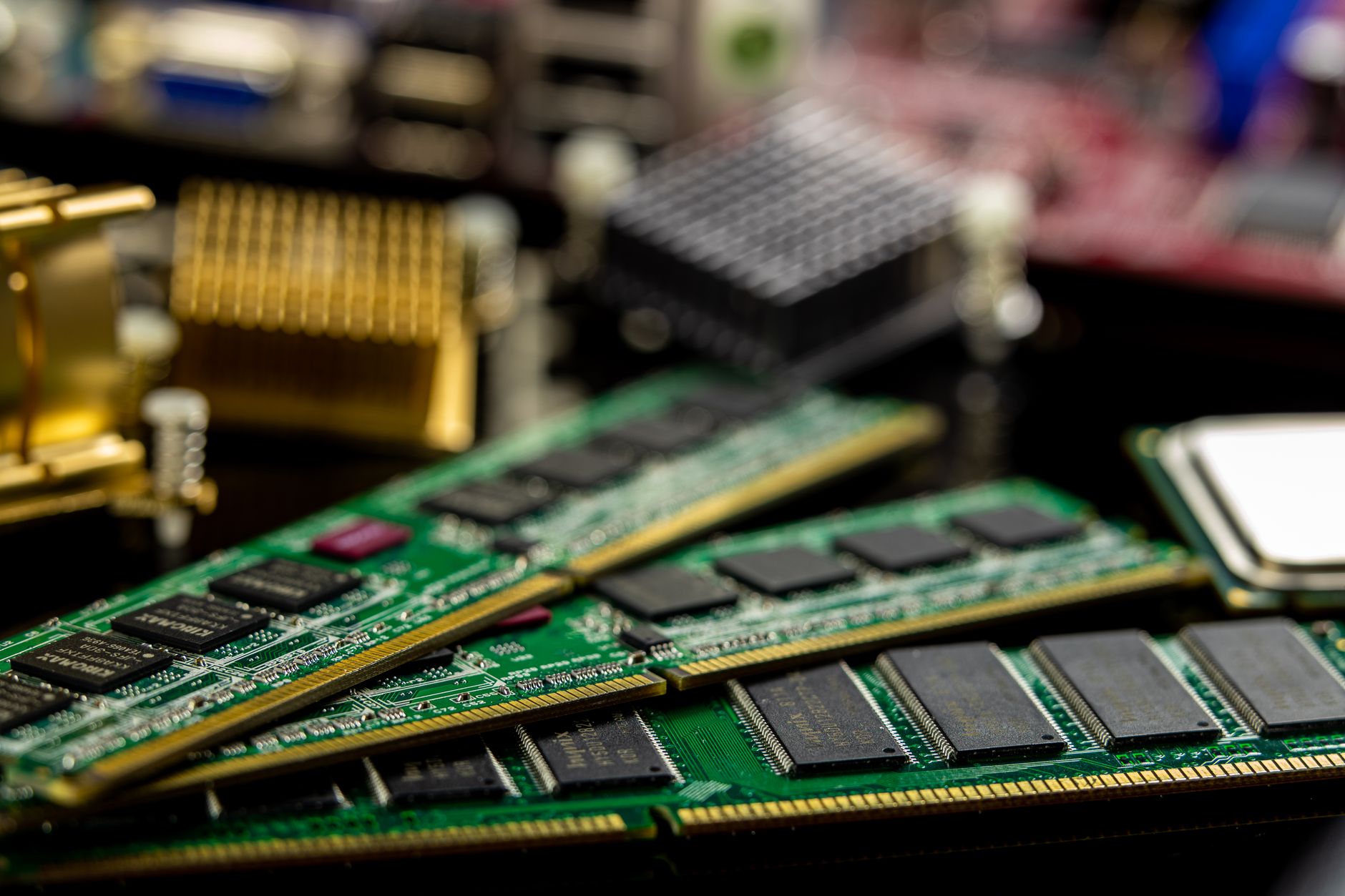
The memory chip industry, a cornerstone of the global tech landscape, is facing a transformative wave driven by AI investments. As companies ramp up production capabilities, the specter of a boom and bust cycle looms large, raising questions about sustainability and market dynamics.
Key Takeaways
- Massive investments in memory chip manufacturing are predicted to intensify market volatility.
- AI-driven demand is expected to reshape production strategies and technology integration.
- Investors express concerns over the cyclical nature of the memory chip industry amidst rising supply.
- Long-term implications for pricing and industry consolidation are becoming evident.
- The intersection of AI and memory technology could redefine performance standards and applications.
Understanding the Recent Developments
The recent surge in AI investments has sparked a renewed interest in the memory chip industry, often regarded as one of the most cyclical sectors in technology. Major companies like Samsung, Micron, and SK Hynix are gearing up for what many believe could be an unprecedented phase of growth. According to the latest reports, these firms are planning significant expansions in their manufacturing capabilities, anticipating a long-term growth trajectory driven by AI technologies.
However, this accumulation of production capacity raises alarms among investors who are acutely aware of the historical cycles of boom and bust that have characterized the memory chip market. The inherent volatility of this sector, marked by rapid fluctuations in supply and demand, poses substantial risks to investors and manufacturers alike. As companies ramp up production capabilities, they are simultaneously addressing the looming fear of oversupply, which can lead to plummeting prices and diminished profits.
Why This Matters
The implications of these developments extend beyond the memory chip industry itself; they resonate throughout the entire tech ecosystem. With AI applications proliferating across various sectors—from data centers to consumer electronics—the demand for high-performance memory chips is set to increase exponentially. This trend not only impacts chip manufacturers but also affects end-users who rely on the latest technology advancements.
Moreover, the cyclical nature of the memory chip market forces companies to strategize carefully in an environment rife with uncertainty. As manufacturers invest heavily in new technologies and production facilities, they must balance the desire for innovation with the potential for market saturation. This balancing act will ultimately determine the sustainability of the market and the viability of individual companies within it.
Background and Context
The memory chip industry has long been known for its cyclical behavior, which can be attributed to various factors, including technological advancements, consumer demand, and supply chain dynamics. Historically, periods of intense investment often lead to oversupply, resulting in significant price drops that can cripple manufacturers. For instance, the last major boom occurred in the early 2010s, followed by a sharp correction that saw prices plummet.
As AI technology evolves and integrates into both consumer and enterprise applications, the demand for memory chips is expected to grow. The advent of AI-driven data processing capabilities necessitates faster, more efficient memory solutions, thereby creating a unique opportunity for manufacturers to innovate. Companies that can successfully navigate this transitional phase stand to gain a competitive edge, while those that mismanage their production capacities risk facing the wrath of the cyclical market.
Expert Analysis
The intersection of AI and memory technology is fraught with both opportunity and risk. Analysts predict that AI advancements will not only require more memory chips but also drive the demand for high-performance solutions that can handle vast amounts of data at unprecedented speeds. This expectation sets the stage for a potentially lucrative market for manufacturers willing to invest in cutting-edge technology.
However, the inherent cyclicality of the memory market complicates this narrative. As companies pour capital into expanding production, the risk of oversupply looms larger. This investment trend mirrors previous cycles, where initial enthusiasm led to overcapacity, ultimately resulting in price corrections. The challenge for manufacturers will be to align their production strategies with genuine market demand, a task made more complex by the unpredictable nature of AI adoption across industries.
Furthermore, the role of major players like Samsung and Micron cannot be overstated. Their investment decisions will significantly influence market dynamics and set benchmarks for smaller companies. As the competition intensifies, manufacturers will need to leverage innovative technologies—such as 3D NAND and advanced DRAM—to differentiate their products in a crowded marketplace. This technological race could further exacerbate the cyclical nature of the industry, as companies strive to outpace one another.
What This Means for the Industry
The memory chip industry stands at a crossroads, with the potential for significant transformations on the horizon. For manufacturers, the key takeaway is clear: adaptability and foresight will be paramount. Companies must invest not only in production capabilities but also in understanding the nuances of AI-driven demand.
For investors, the situation is equally complex. While the potential for growth is enticing, the historical cyclical nature of the market raises valid concerns. Savvy investors will need to conduct thorough due diligence, assessing individual companies' strategies and market positioning to mitigate risks associated with potential downturns.
Moreover, end-users must be prepared for the implications of these developments. As memory chip technology evolves, the increase in performance capabilities will likely translate into enhanced functionality in consumer devices and enterprise solutions alike. This advancement will ultimately benefit users seeking faster, more efficient technology.
Frequently Asked Questions
What are the primary drivers of demand for memory chips in the AI sector?
The primary drivers include increased data processing requirements, the need for faster and more efficient memory solutions, and the growth of AI applications across various industries, which necessitate high-performance memory capabilities.
How do cyclical trends affect memory chip pricing?
Cyclical trends can lead to periods of oversupply when manufacturers invest heavily in production. This often results in price drops as supply outstrips demand, negatively impacting the profitability of manufacturers.
What strategies can companies employ to navigate market volatility?
Companies can adopt flexible production strategies, invest in technology that enhances efficiency, and closely monitor market trends to align their production capabilities with genuine demand.
How will advancements in memory technology impact consumers?
Advancements in memory technology are expected to enhance the performance of consumer devices, leading to faster processing speeds, improved multitasking capabilities, and overall better user experiences.
The Road Ahead
Looking forward, the memory chip industry is poised for significant changes fueled by the rise of AI technologies. Manufacturers that embrace innovation and adapt to shifting market dynamics will likely emerge as leaders in this evolving landscape. The challenge will be not only to meet the burgeoning demand for memory solutions but also to manage production capacities effectively to avoid the pitfalls of oversupply.
As we navigate this transitional phase, it will be crucial for all stakeholders—manufacturers, investors, and end-users—to remain vigilant and adaptive. The memory chip market's cyclical nature will continue to play a critical role in shaping industry strategies, but the ongoing integration of AI technologies offers a silver lining. By balancing innovation with strategic foresight, the industry can mitigate risks and unlock new opportunities for growth.