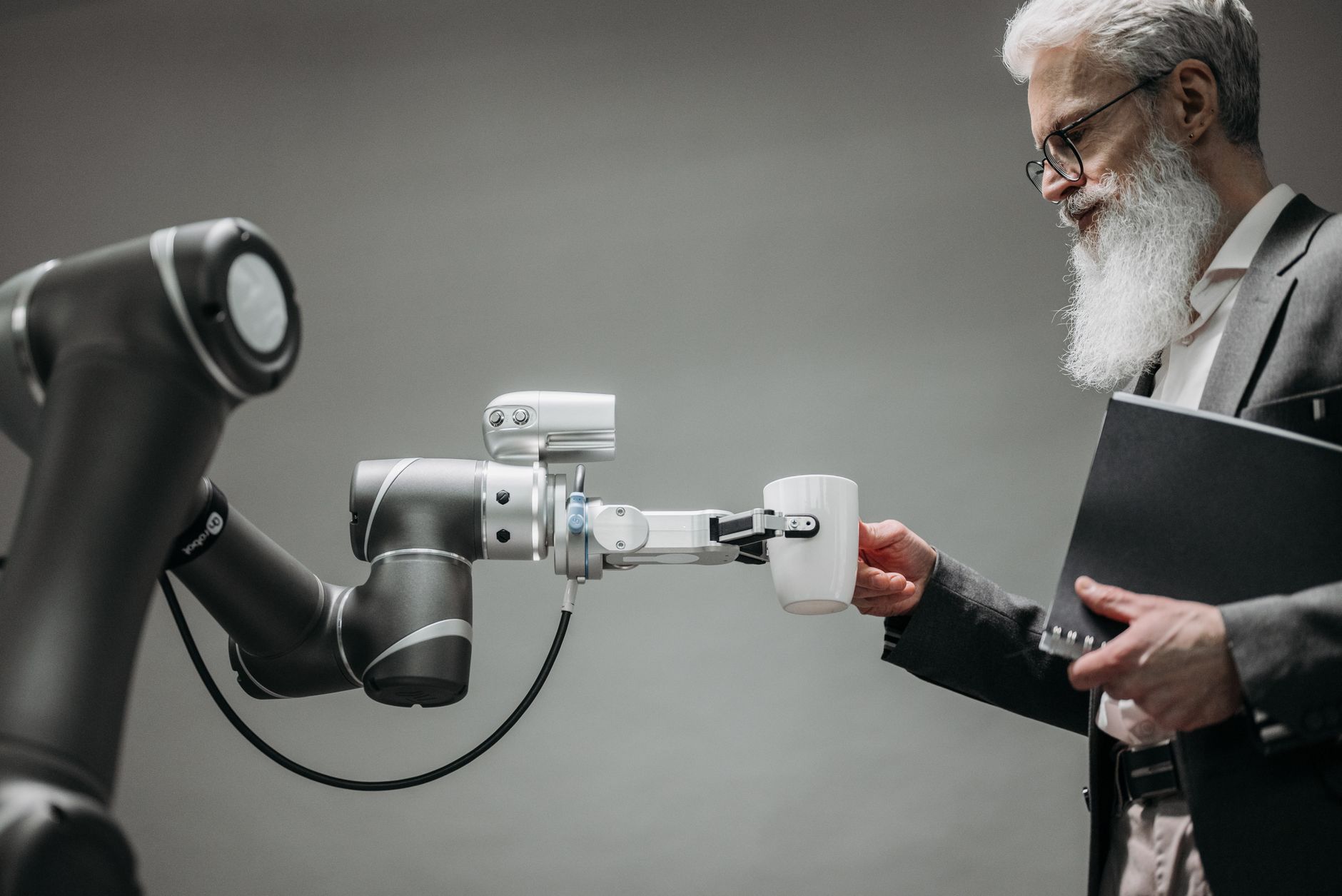
Debunking the AI Jobs Panic: An In-Depth Analysis
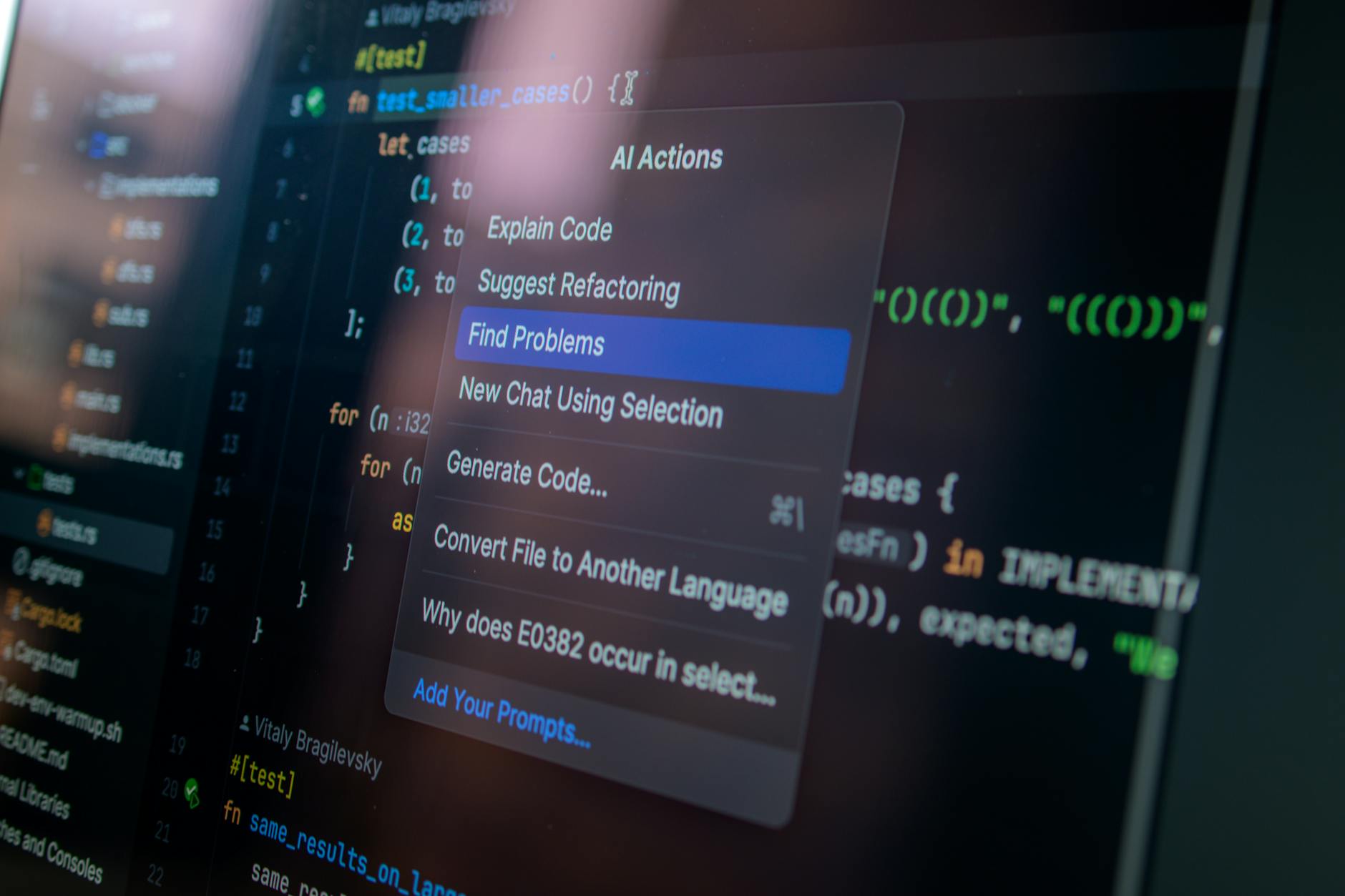
The fear of AI taking over jobs has proliferated in recent years, leading to widespread anxiety among workers and policymakers alike. But as we delve deeper into the facts and data surrounding this phenomenon, it becomes evident that the panic might be exaggerated. This article aims to dissect the current state of AI in the workforce, analyze the actual evidence regarding job displacement, and offer a balanced perspective on what the future may hold.
Key Takeaways
- The narrative of widespread job loss due to AI is not supported by substantial evidence.
- Historical precedents show that technological advancements have often created more jobs than they have eliminated.
- AI's integration into the workforce is more likely to augment existing roles rather than replace them entirely.
- Collaboration between humans and AI has the potential to enhance productivity across various sectors.
- Future policies should focus on reskilling and adapting the workforce to thrive alongside AI technologies.
Understanding the Current AI Jobs Debate
The latest edition of The Download from MIT Technology Review highlights a critical overview of the ongoing discourse surrounding AI and its perceived threat to white-collar jobs. Despite a growing chorus of voices warning about a dystopian future where machines render human labor obsolete, there remains a notable lack of hard evidence supporting this narrative. In fact, many analyses indicate that while AI is undeniably changing the landscape of work, it is not causing the mass unemployment that many fear.
For instance, recent studies show that AI has primarily affected specific sectors, such as manufacturing and customer service, where automation has been more prevalent. However, these sectors have historically always evolved with technological advancements. The focus should not be solely on displacement but rather on how AI is reshaping job descriptions, creating new roles, and enhancing productivity.
Why This Matters
The implications of AI on employment are far-reaching and multifaceted. As companies increasingly adopt AI technologies, understanding the nuanced effects on the job market is paramount for workers, employers, and policymakers. If the narrative around AI-induced job loss remains unchecked, it could lead to misguided policy responses, such as blanket bans on automation or excessive regulation that stifles innovation.
Furthermore, recognizing the potential for AI to augment rather than replace human work could encourage a more proactive approach to education and workforce training. By investing in upskilling initiatives, governments and businesses can prepare the workforce for the evolving job landscape, ensuring that workers are equipped with the necessary skills to thrive in an AI-driven economy.
Background and Context
The fear of job loss due to technological advancement is not a new phenomenon. Historically, each major leap in technology—from the Industrial Revolution to the rise of computers—has sparked concerns about mass unemployment. Yet, in most cases, these fears have not materialized. Instead, new technologies have often resulted in job creation, albeit in different forms than previously understood.
In the case of AI, the technology is being integrated across various sectors, from healthcare and finance to education and transportation. The shift towards AI-driven solutions has sparked debates about the future of work, with many experts recommending a balanced perspective that considers both the challenges and opportunities presented by these advancements. While some roles may become obsolete, new positions are likely to emerge that require different skill sets, focusing on areas where human oversight, creativity, and emotional intelligence are irreplaceable.
Expert Analysis
Despite the sensational headlines surrounding AI and job loss, experts argue that the reality is more nuanced. Data suggests that AI is more likely to complement human roles rather than fully replace them. For instance, AI can handle repetitive tasks, allowing workers to focus on more complex, creative, or interpersonal aspects of their jobs. This symbiosis between human and machine can lead to increased efficiency and productivity.
Additionally, the integration of AI into daily operations can enhance decision-making processes. By analyzing vast amounts of data quickly, AI can provide insights that help human workers make informed choices, ultimately improving outcomes for businesses and clients alike. This shift requires a workforce that is adaptable and ready to embrace new technologies, rather than one that is fearful of displacement.
Furthermore, as industries evolve, the demand for new skills is increasing. Workers with expertise in AI, data analytics, and other tech-related fields are likely to be in high demand. This trend underscores the importance of education and ongoing training, as the workforce must be prepared to pivot as needed. The narrative of job loss should thus evolve into a discussion about skills development and the future of work in an AI-enhanced environment.
What This Means for Workers, Employers, and Developers
For workers, the implications of AI integration are profound. It is crucial for individuals to take charge of their own career development by seeking opportunities to learn new skills relevant to emerging technologies. Organizations should prioritize reskilling programs to facilitate this transition, ensuring that employees are equipped to leverage AI tools rather than be replaced by them.
Employers also have a responsibility to foster an environment that embraces change. This includes not only investing in technology but also in the people who will be using it. By creating a culture of continuous learning, businesses can help alleviate fears surrounding job security and instead empower their workforce to adapt to new challenges.
Developers and technologists should strive to create AI solutions that work in tandem with human efforts. By designing systems that enhance human capabilities, rather than solely focusing on automation, they can help mitigate fears and foster a more collaborative approach to AI. This perspective shift is essential for building trust in AI technologies and ensuring their successful implementation across industries.
Frequently Asked Questions
Is AI really going to take my job?
While AI may change the nature of many jobs, evidence suggests that it is more likely to augment human roles than replace them entirely. Many jobs will evolve rather than disappear.
What sectors are most at risk due to AI?
Sectors like manufacturing, customer service, and data entry are among those most impacted by automation. However, new roles are also being created in tech, healthcare, and creative fields as a result of AI advancements.
How can workers prepare for an AI-driven job market?
Workers should focus on reskilling and upskilling, particularly in areas related to technology, data analysis, and emotional intelligence, which are less likely to be automated.
What role do policymakers play in managing the transition to AI?
Policymakers should focus on creating a supportive framework for education and training, ensuring that the workforce is prepared for changes brought about by AI technologies.
The Road Ahead
As we look toward the future, the narrative surrounding AI and job displacement must shift from panic to proactive planning. Technological advancements are inevitable, and rather than resisting this change, society should embrace it, focusing on how to best integrate AI into everyday work processes.
Education and training will be pivotal in this transition. By fostering a culture of adaptability and continuous learning, we can ensure that the workforce is not only prepared for the challenges posed by AI but also equipped to seize the opportunities it presents. A collaborative approach between humans and AI will ultimately drive innovation and economic growth, paving the way for a future where technology complements human potential rather than replacing it.