Navigating the AI Job Landscape: Human Skills That Matter
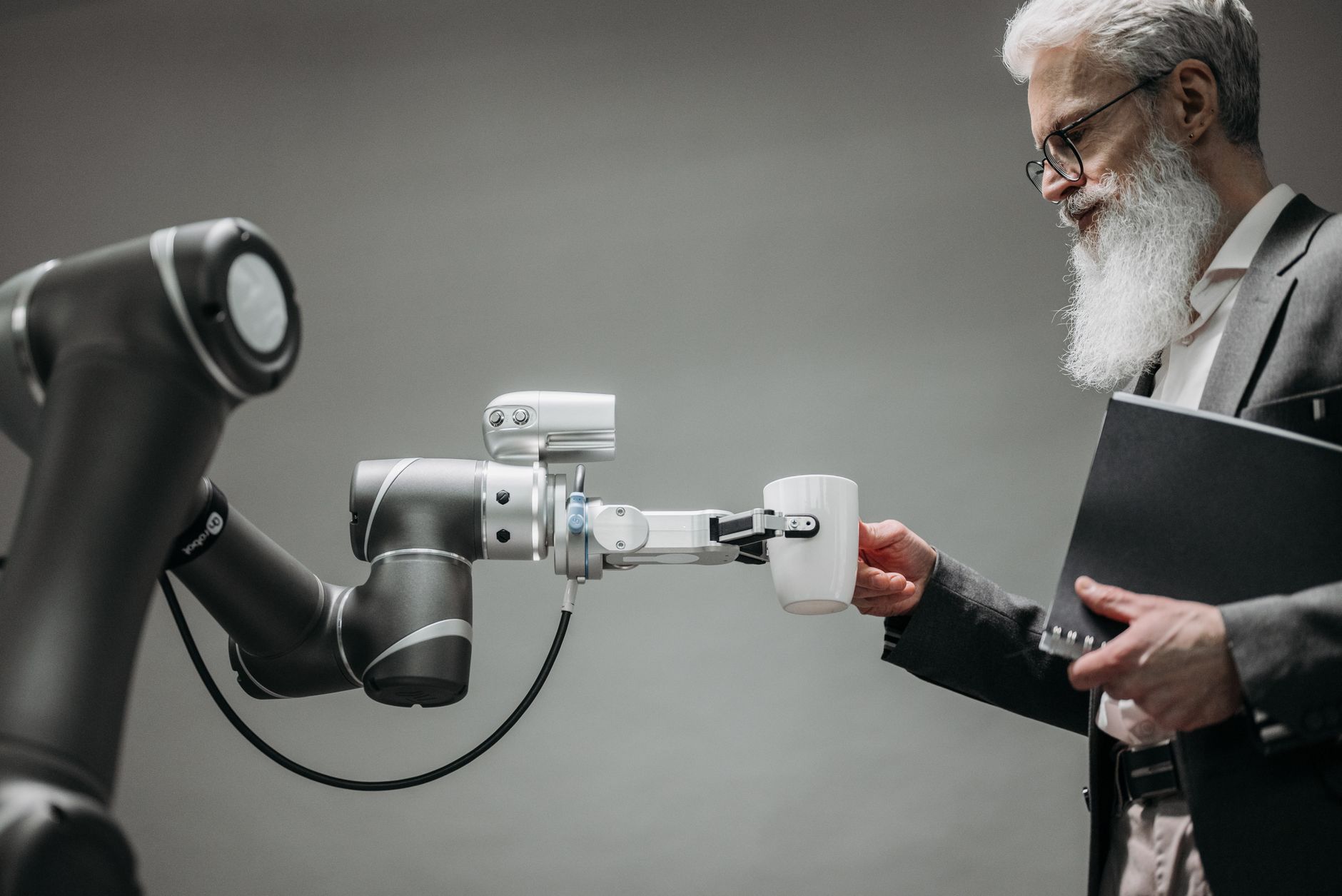
The meteoric rise of artificial intelligence (AI) has sparked a palpable sense of unease among workers across various sectors. As machines become increasingly capable of performing complex tasks, the fear of job displacement looms large. Yet, amidst this anxiety, certain human skills emerge as irreplaceable, underscoring the importance of emotional intelligence, creativity, and interpersonal connections in the age of AI.
Key Takeaways
- The rise of AI is causing significant anxiety about job security across industries.
- Despite technological advancements, certain human skills, such as emotional intelligence and creativity, remain essential and cannot be easily replicated by machines.
- Staying connected with others and fostering relationships can help alleviate workplace anxiety.
- Organizations need to focus on reskilling and upskilling their workforce to prepare for the future job landscape shaped by AI.
- Understanding the psychological impact of AI on workers is crucial for promoting mental well-being in the workplace.
Understanding the Current AI Job Landscape
Recent developments in AI technology have accelerated the pace of change within the workplace. From automation in manufacturing to AI-driven customer service chatbots, the capabilities of machines are expanding rapidly. This shift has led to widespread fears among employees, with many feeling increasingly vulnerable to being replaced by AI.
Take Paul, for example, a mid-level manager at a technology firm who recently learned through media reports that his department was facing significant job cuts due to AI integration. The news sent shockwaves through his team, leading to a wave of anxiety and uncertainty about the future. Similar stories echo across various sectors, and the impact on mental health is becoming increasingly pronounced. As AI continues to evolve, the question arises: what role will humans play in this new landscape?
Why This Matters
The implications of AI on the workforce extend beyond mere job displacement. As automation takes over repetitive tasks, the demand for uniquely human skills is likely to grow. Skills such as empathy, critical thinking, and creative problem-solving are becoming more valuable as organizations seek to differentiate themselves in an increasingly automated world.
Understanding the interplay between technology and human skills is crucial for employers and employees alike. Organizations must not only consider how to implement AI effectively but also how to support their workforce during this transition, especially considering the mental health challenges that may arise from job insecurity. The focus should be on leveraging AI as a tool to augment human capabilities rather than replace them.
Background and Context
The industrial revolution marked a significant turning point in labor dynamics, as machines began to replace manual labor in various industries. Fast forward to today, and we are witnessing a new revolution driven by AI and machine learning. While this technological advancement has the potential to enhance productivity and efficiency, it also raises profound questions about the future of work.
Historically, fears of job loss due to technological advancements have been prevalent. The fear surrounding AI is not unfounded; a report from McKinsey estimates that up to 800 million global workers could be displaced by automation by 2030. However, history has also shown us that new technologies often create new job opportunities, albeit in different forms. The key lies in adapting to these changes and recognizing the unique attributes that humans bring to the table.
Expert Analysis
In examining the evolving job landscape, it's essential to look beyond the fear of obsolescence and focus on the attributes that machines cannot replicate. Emotional intelligence, for instance, is a critical skill that allows individuals to navigate social complexities, build relationships, and make informed decisions. While AI can analyze data and provide insights, it lacks the human capacity for empathy and understanding.
Additionally, creativity remains a domain where humans excel. The ability to think outside the box, generate novel ideas, and approach problems from unique angles is something that machines struggle to mimic. As industries adapt to AI, the demand for creative thinkers who can leverage technology to innovate will likely increase.
Moreover, the psychological implications of AI on the workforce cannot be overlooked. The anxiety and stress associated with job insecurity can lead to decreased productivity, burnout, and mental health challenges. Organizations must prioritize employee well-being by fostering a culture of connection and support, empowering employees to develop skills that complement AI rather than compete with it.
What This Means for Workers and Employers
The rise of AI presents both challenges and opportunities for workers and employers alike. For workers, it is crucial to recognize the value of continuous learning and adaptability. Developing skills that are complementary to AI, such as emotional intelligence, creativity, and critical thinking, will be essential for staying relevant in the job market.
Employers, on the other hand, must proactively address the challenges posed by AI by investing in reskilling and upskilling initiatives. Providing employees with the resources and opportunities to develop essential human skills can enhance job satisfaction, productivity, and overall organizational resilience. By fostering a culture of lifelong learning, organizations can empower their workforce to thrive in an increasingly automated environment.
Frequently Asked Questions
1. Will AI completely replace human jobs?
While AI has the potential to automate certain tasks, it is unlikely to completely replace human jobs. Many roles will evolve to incorporate AI, requiring workers to develop new skills.
2. What skills should I focus on developing in an AI-driven job market?
Emotional intelligence, creativity, critical thinking, and adaptability are essential skills that will remain valuable in an AI-driven job market.
3. How can organizations support employees during AI integration?
Organizations can support employees by investing in reskilling initiatives, fostering a culture of connection, and prioritizing mental health resources.
4. What role does emotional intelligence play in the workplace?
Emotional intelligence enables individuals to navigate social interactions effectively, build relationships, and make better decisions, making it a crucial skill in any workplace.
The Road Ahead
As we look to the future, the integration of AI into the workplace will continue to evolve. Organizations that prioritize human skills and foster a supportive environment will be best positioned to thrive in this new landscape. The focus should be on collaboration between humans and machines, leveraging the strengths of both to drive innovation and success.
Ultimately, the future of work in an AI-driven world will hinge on our ability to adapt, learn, and cultivate the uniquely human skills that machines cannot replicate. By embracing this shift and investing in our workforce, we can navigate the challenges of AI and unlock new opportunities for growth and development.