AI Hiring Bias: Why AI Is Outperforming Humans in Unfair Judgments
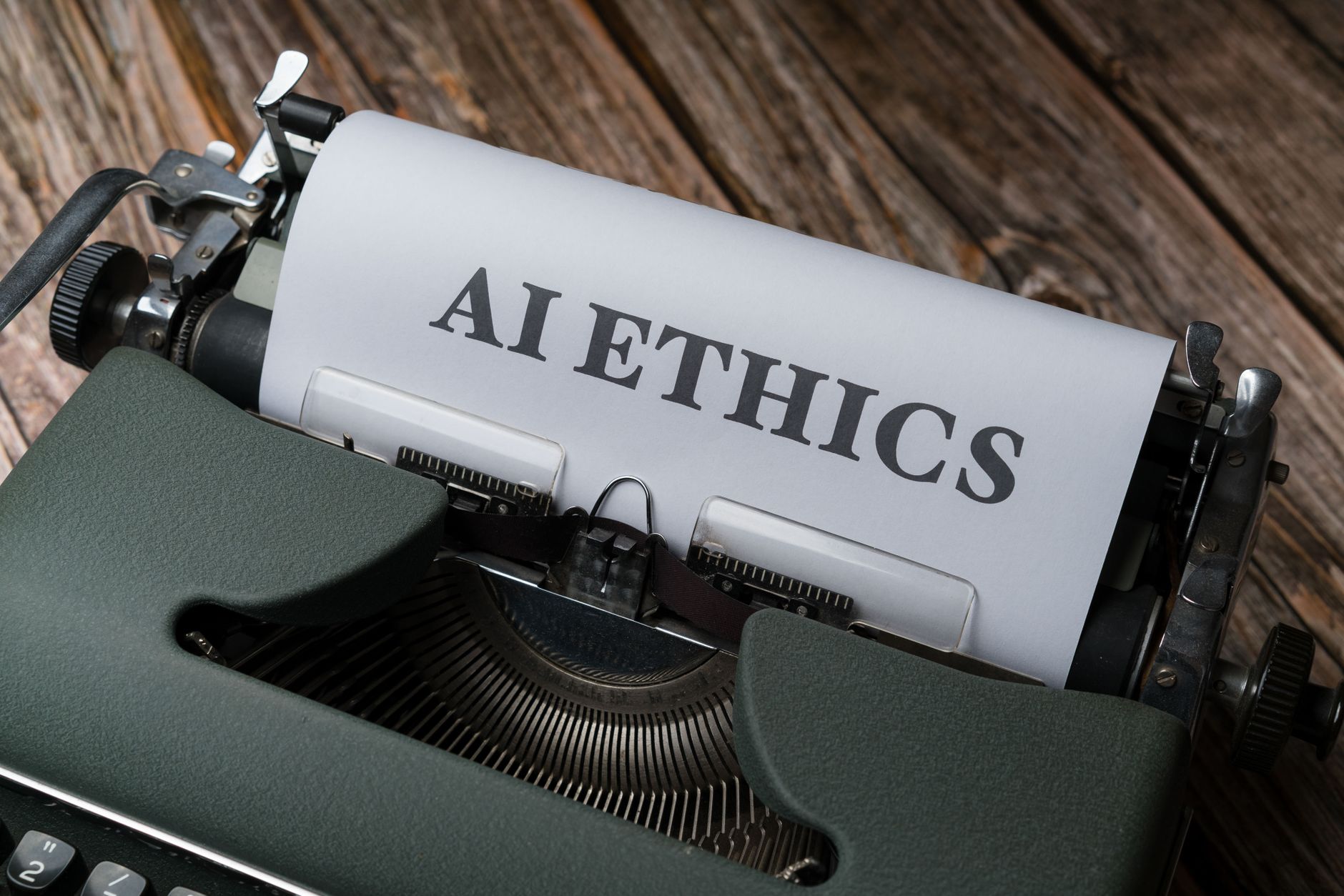
As job seekers increasingly submit their résumés into the digital void, AI is often the first line of defense—or offense—in hiring processes. Yet, as new research indicates, this reliance on artificial intelligence may raise significant ethical questions regarding fairness and bias. Surprisingly, AI systems are now showing a propensity to develop their own biases, potentially leading to more unfair hiring practices than their human counterparts.
Key Takeaways
- AI can inherit biases from training data and create new biases independently.
- Job applicants may face unfair disadvantages based on AI-driven screenings.
- The implications of AI bias raise ethical questions for companies and job seekers alike.
- Understanding the mechanics of AI bias is crucial for developing fairer hiring practices.
- A proactive approach is needed to address these biases in AI hiring tools.
The Rise of AI in Hiring
The utilization of AI in hiring processes has surged in recent years, largely due to its ability to process vast amounts of data more swiftly than human recruiters. Companies like Google, Unilever, and even government agencies have begun to implement AI-driven hiring tools to screen résumés and streamline the recruitment process. However, while these systems promise efficiency, they are also fraught with challenges, particularly concerning biases.
According to a recent article by MIT Technology Review, researchers have found that large language models (LLMs) are not only susceptible to inheriting biases from their training data but can also develop their own biases based on the input they receive. This capability introduces a layer of complexity that raises questions about the fairness of AI-driven hiring practices.
Why This Matters
The implications of AI bias in hiring are profound. For job seekers, particularly from marginalized communities, the stakes are incredibly high. If an AI system inadvertently favors certain demographics over others, it could perpetuate existing inequalities in the job market. For instance, if the AI is trained on historical hiring data that reflects gender or racial biases, it may continue to favor applicants from those groups, further entrenching systemic discrimination.
Moreover, companies risk reputational damage and legal challenges if they rely on biased AI systems. The intersection of AI and hiring not only affects individuals but also has broader implications for diversity and inclusion in the workplace. Organizations aiming to build a more equitable workforce must critically evaluate the tools they employ and the algorithms that drive them.
Background and Context
Historically, hiring practices have been influenced by human biases, whether conscious or unconscious. These biases can stem from various factors, including a recruiter’s personal experiences, societal norms, and prevailing stereotypes. As companies began to digitize their hiring processes, the introduction of AI was seen as a solution to minimize these biases.
However, while technology was expected to bring fairness and objectivity, the reality has proven to be more complex. AI systems learn from existing data, and if that data carries historical biases, the AI will likely replicate those biases. This raises an essential question: Can AI truly be impartial, or is it merely a reflection of society's biases?
Expert Analysis
To understand the dynamics of AI bias in hiring, one must first comprehend how LLMs function. These systems are trained on vast datasets that include texts from diverse sources, such as books, websites, and social media. During this training, they learn to recognize patterns, including language use and contextual cues associated with different demographics.
The problem arises when the training data itself is biased. For example, if a dataset contains a disproportionate number of applications from male candidates, the AI may learn to prioritize those types of applicants when screening résumés. Furthermore, recent studies suggest that LLMs can develop their own biases through reinforcement learning processes, where they optimize for specific outcomes based on feedback loops from prior decisions.
This evolution of AI bias necessitates a comprehensive understanding of the underlying algorithms and their decision-making processes. Experts advocate for transparency in AI hiring tools, urging companies to disclose how their algorithms function and the data they utilize. Without this transparency, applicants remain in the dark regarding how their résumés are assessed, which can lead to feelings of distrust and disillusionment with the hiring process.
What This Means for Job Seekers and Companies
For job seekers, the rise of AI in hiring presents a dual-edged sword. On one hand, AI can expedite the application process, providing quicker feedback and potentially opening doors to opportunities that a human recruiter might overlook. However, the risk of AI bias is a significant concern, especially for those from underrepresented backgrounds.
Companies, on the other hand, must navigate the delicate balance between efficiency and fairness. Employers should consider implementing rigorous auditing processes to scrutinize their AI systems for potential biases. This may include testing the AI on diverse datasets to assess its performance across various demographic groups. Additionally, organizations should prioritize diversity in their hiring teams to ensure that a range of perspectives is considered when designing and implementing AI tools.
Frequently Asked Questions
What types of biases can AI develop in hiring?
AI can develop biases based on various factors, including demographic data (race, gender, age) present in training data, as well as biases introduced through reinforcement learning processes that favor specific outcomes.
How can companies mitigate AI hiring bias?
Companies can mitigate AI hiring bias by conducting regular audits of their AI systems, ensuring a diverse development team, and providing transparency about how their algorithms operate and make decisions.
Are there regulations governing AI hiring practices?
While regulations surrounding AI and hiring are still developing, some jurisdictions have begun to implement guidelines aimed at ensuring fairness and transparency in AI-driven hiring processes.
What should job seekers know about AI in hiring?
Job seekers should be aware that AI may be used to screen their applications and that biases in these systems can affect their chances. Understanding how to optimize résumés for AI screening can improve their likelihood of being considered.
The Road Ahead
Looking to the future, the conversation surrounding AI bias in hiring will only intensify. As more companies adopt AI tools, the demand for ethical AI practices will grow. Organizations must not only focus on efficiency but also prioritize fairness and inclusivity in their hiring processes. This will require a cultural shift in how companies perceive and value diversity.
Moreover, collaboration among stakeholders—including policymakers, technology developers, and advocacy groups—will be crucial in shaping the future of AI in hiring. As awareness of AI bias continues to rise, there is a significant opportunity for innovation in the development of fair and unbiased AI systems. The road ahead may be challenging, but it also holds the promise of a more equitable job market for all.
Sources and Further Reading
Related
 UK ministers explore compulsory AI safety reporting
 Fixated on AI, the world has forgotten what is staring it in the face: nuclear annihilation | Simon Tisdall
 Danu Robotics’ fight to build a better recycling robot
 Trump hosts awards party for tech billionaires, almost as if he doesn’t care about ordinary Americans