AI-Powered Flirting: ChatGPT and Claude Transform Dating Apps
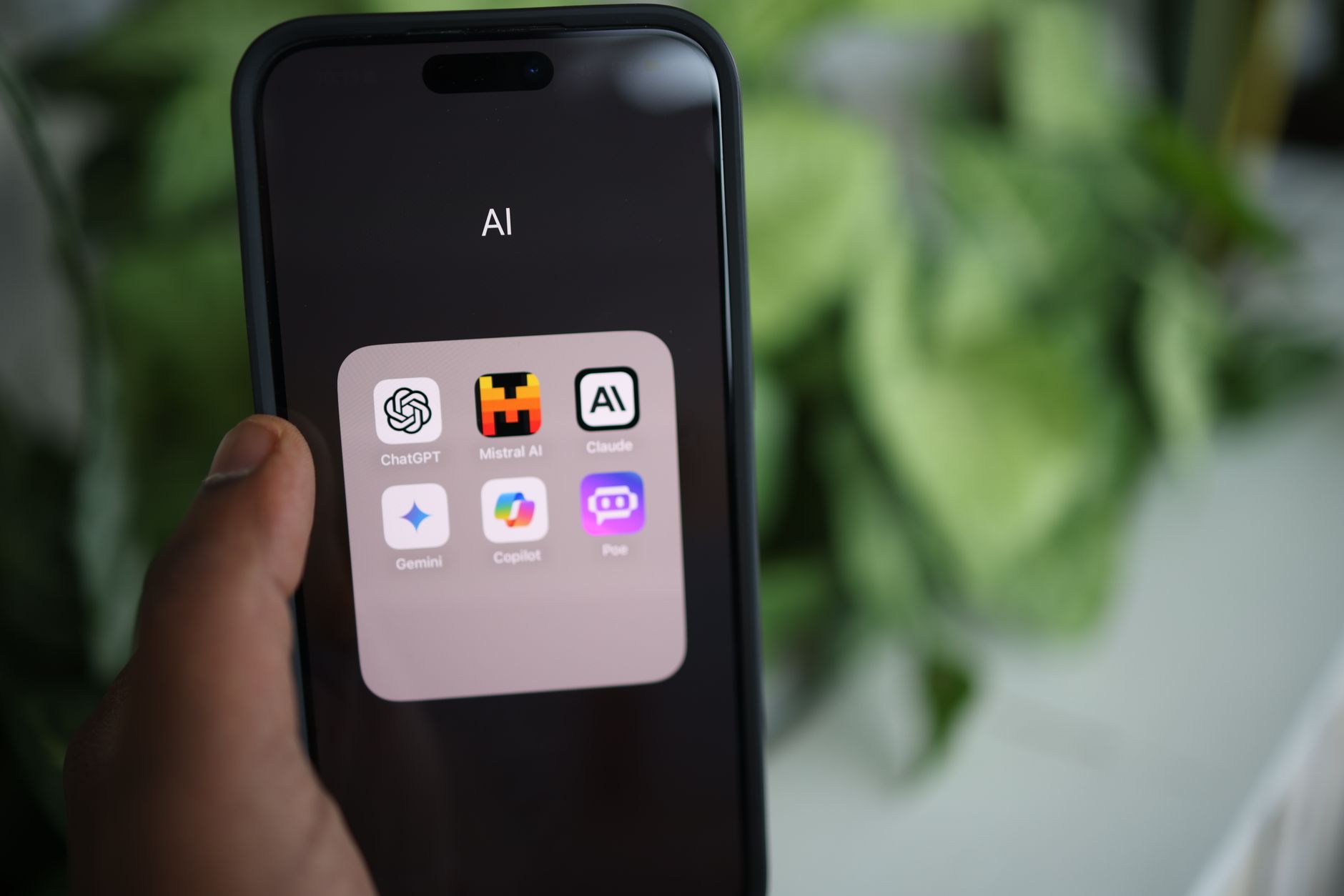
As technology continues to permeate every facet of our lives, dating is no exception. The emergence of AI tools like ChatGPT and Claude has started to redefine how singles approach flirting and romantic connections on dating apps. This infiltration of artificial intelligence into the dating sphere raises intriguing questions about authenticity, emotional intimacy, and the evolving nature of human relationships.
Key Takeaways
- AI tools such as ChatGPT and Claude are being used by singles to assist in flirting and initiating conversations on dating apps.
- The integration of AI complicates the dynamics of romantic connections, challenging traditional notions of authenticity and emotional engagement.
- Users report a mix of enhanced confidence and ethical dilemmas associated with outsourcing personal conversations to AI.
- The technology raises essential questions about the future of dating culture and the role of human interaction.
- As AI continues to evolve, it is likely that dating apps will further adapt to incorporate these tools, reshaping user experiences.
The Rise of AI in Dating
In recent years, dating apps have transformed from simple platforms for meeting new people to complex social ecosystems. With over 300 million users globally, applications like Tinder, Bumble, and Hinge have redefined how people connect and communicate. However, the introduction of AI tools like ChatGPT and Claude adds a new layer to this dynamic. Singles are increasingly turning to these technologies to help craft messages and navigate the often-treacherous waters of online flirting.
ChatGPT, developed by OpenAI, and Claude, from Anthropic, represent the cutting edge of conversational AI. Designed to generate human-like text based on prompts, these AI systems can assist users in creating engaging conversation starters, witty replies, and even compliments tailored to their prospective matches. By employing these tools, users can project confidence and charisma that they might not feel in real-life interactions.
This trend of outsourcing flirting to AI is indicative of a broader societal shift. As we become more comfortable with technology mediating our interactions, the lines between authentic connection and algorithm-driven conversation begin to blur. While some users embrace the efficiency and creativity that AI brings to their dating lives, others express concern over the implications of relying on technology to convey personal feelings.
Why This Matters
The integration of AI into dating apps represents a substantial shift in how individuals approach romantic relationships. First and foremost, it challenges the age-old notion of authenticity. When a user leverages an AI tool to craft a message, how much of that interaction can be considered genuine? The ability to present oneself in an idealized manner could lead to long-term consequences, complicating the development of trust in relationships.
Moreover, as singles increasingly adopt AI assistance in flirting, we need to consider the psychological implications. Users may experience a boost in confidence when using these tools, but at what cost? If individuals become reliant on AI to communicate, they may struggle with face-to-face interactions or lose their ability to engage in spontaneous conversation. This could result in a generation that is socially adept in the digital realm but less equipped to navigate traditional forms of human interaction.
Additionally, this trend raises questions about emotional intimacy. If connections are primarily facilitated through AI-generated messages, can real emotional bonds form? The fabric of dating culture may evolve, with AI creating a new norm where individuals seek validation and connection through curated dialogues rather than authentic exchanges. This could lead to a paradox where people are more connected than ever but also more isolated in their experiences.
Background and Context
The fusion of technology and dating is not new. Dating apps have existed for over two decades, evolving from simple matchmaking to sophisticated platforms that utilize algorithms to enhance user experiences. The introduction of AI, however, marks a pivotal moment in this evolution. AI has the potential to analyze vast amounts of data, learning from user interactions to generate more personalized and relevant content.
ChatGPT and Claude are products of a growing trend toward increasingly capable AI. These models are trained on diverse datasets, allowing them to generate coherent and contextually appropriate responses. As users engage more with these systems, they increasingly rely on AI not only for flirting but also for advice, emotional support, and even relationship management. This comprehensive involvement of AI in dating reflects broader societal trends toward automation and digital assistance in personal and emotional domains.
Expert Analysis
While the rise of AI in dating apps presents exciting opportunities, it also necessitates a critical examination of its impact on interpersonal relationships. One of the most significant challenges lies in the question of authenticity. The ability to simulate human conversation can lead to a detachment from genuine emotional connections. Users must navigate the delicate balance between leveraging technology to enhance their interactions and maintaining the essence of authentic human communication.
Furthermore, the ethics of using AI in dating cannot be overlooked. As dating becomes increasingly mediated by technology, the potential for deception rises. Users may engage with AI-generated messages while presenting themselves as more charismatic or interesting than they truly are. This could lead to disillusionment and disappointment when the reality of a relationship does not align with the carefully curated persona portrayed through AI.
Despite these challenges, there are potential benefits to using AI tools in dating. For individuals who struggle with social anxiety or have difficulty initiating conversations, AI can serve as a valuable support system. By providing users with creative prompts and tailored responses, these tools can help bridge the gap between loneliness and connection. Moreover, AI can facilitate more meaningful conversations by analyzing user preferences and suggesting topics that resonate with both parties.
What This Means for Users
The integration of AI into dating apps offers practical takeaways for users. First, individuals should remain aware of the potential pitfalls of using AI for flirting. While these tools can enhance confidence, users must ensure they do not lose sight of their authentic selves in the process. Striking a balance between AI assistance and genuine interaction is crucial for fostering meaningful connections.
Moreover, users should consider the ethical implications of their interactions. Engaging with AI-generated messages could lead to a disconnect between how individuals present themselves online and who they are in reality. Transparency about the use of AI in communication is essential to establish trust and authenticity in relationships.
Additionally, users can benefit from understanding the capabilities of AI tools. By leveraging these technologies wisely, singles can enhance their dating experiences without compromising their emotional integrity. For instance, AI can assist in crafting thoughtful responses while allowing users to inject their personality into the conversation, ultimately leading to more authentic interactions.
Frequently Asked Questions
1. Is it ethical to use AI tools for flirting on dating apps?
While using AI tools for flirting can enhance creativity and confidence, it raises ethical questions about authenticity and transparency. Users should strive to maintain honest communication about their intentions and the use of AI.
2. Can AI really help with emotional connections in dating?
AI can assist in initiating conversations and suggesting topics, but real emotional connections depend on genuine human interaction. Users should focus on building authentic relationships rather than relying solely on AI-generated content.
3. How can I ensure I stay authentic while using AI tools?
To maintain authenticity, users should use AI to enhance their communication without completely relying on it. Injecting personal elements into AI-generated messages can help preserve the integrity of individual interactions.
4. What are the risks of using AI in dating?
The risks include potential deception, misrepresentation, and a detachment from genuine emotional connections. Users should be mindful of these aspects and prioritize honesty in their interactions.
The Road Ahead
As AI continues to evolve, its integration into dating apps is likely to deepen, leading to new features and functionalities that further enhance user experiences. Dating platforms may develop more sophisticated AI tools that analyze user behavior, preferences, and communication styles, offering personalized engagement strategies that resonate with individual users.
However, the future of dating in an AI-driven world hinges on finding a balance between technological assistance and human connection. Users, developers, and stakeholders must navigate this evolving landscape thoughtfully, ensuring that the core essence of romantic relationships remains intact amidst the rise of AI. By prioritizing authenticity and ethical considerations, the future of dating can embrace innovation while fostering real emotional connections.
Sources and Further Reading
Related
 UK ministers explore compulsory AI safety reporting
 Fixated on AI, the world has forgotten what is staring it in the face: nuclear annihilation | Simon Tisdall
 Danu Robotics’ fight to build a better recycling robot
 Trump hosts awards party for tech billionaires, almost as if he doesn’t care about ordinary Americans