Exploring the Impact of AI Actor Tilly Norwood on Cinema's Future
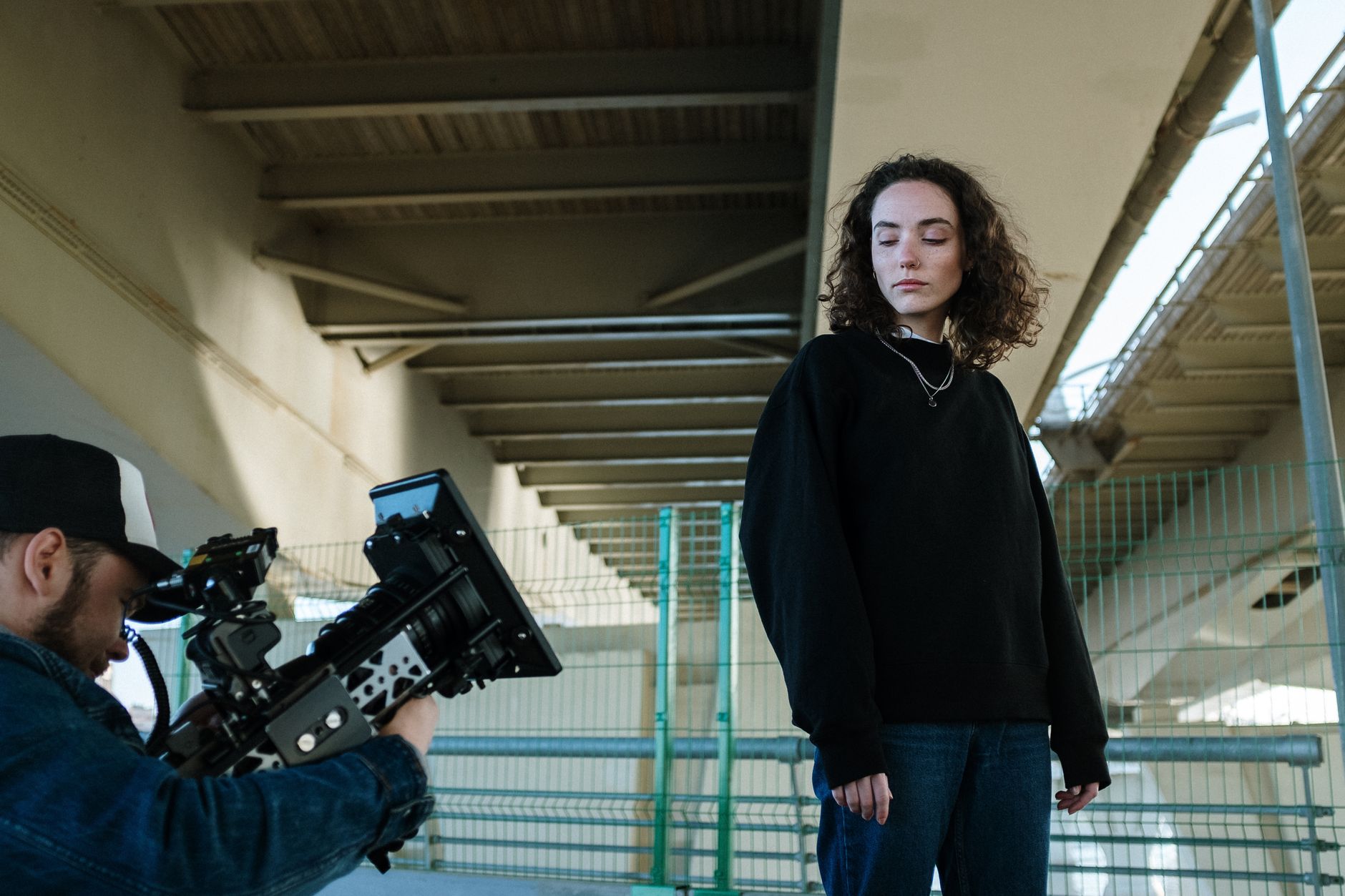
As the film industry grapples with the complexities of artificial intelligence, the emergence of Tilly Norwood, an AI 'actor', raises profound questions about the essence of performance and the human connection at the heart of storytelling. Are we witnessing the dawn of a new cinematic era, or are we simply witnessing the limits of technology in expressing our shared human experiences?
Key Takeaways
- Tilly Norwood, an AI-generated actor, is set to star in an upcoming movie, raising concerns about the authenticity of performance.
- The concept of AI actors challenges traditional notions of acting, which rely heavily on human emotion and connection.
- This development could signal a shift in the production landscape, impacting job opportunities for human actors and crews.
- Critics argue that AI actors may dilute the cultural significance of cinema by prioritizing technology over storytelling.
- The rise of AI in cinema could lead to new genres and forms of storytelling, blending reality and artificiality in unprecedented ways.
The Emergence of Tilly Norwood
Tilly Norwood is not just another digital character; she represents a shift in how we perceive actors and performance in filmmaking. Created using advanced algorithms and neural networks, Tilly is a product of artificial intelligence designed to mimic human expression and movement. Despite her lack of physical existence, she has been marketed as an actor, leading to an upcoming film that features her as the lead.
The promotional efforts to make Tilly a household name are significant, considering that she is not yet widely recognized. A team of publicists is working tirelessly to build her brand and establish her credibility in the industry. The phrase “Tillyverse” has even been coined to describe the universe of films and media centered around her character. But as critics like Dave Schilling have pointed out, the concept of an AI 'actor' raises critical concerns regarding the authenticity of the performance and the very nature of storytelling in cinema.
Why This Matters
The implications of Tilly Norwood's existence extend beyond the individual film or even the production company behind it. The rise of AI actors raises essential questions about the future of the film industry as a whole. With the technology to create lifelike characters advancing rapidly, the potential for AI to take on roles traditionally filled by human actors could drastically change the landscape of cinema.
Moreover, the cultural significance of cinema, which has long been rooted in the shared human experience, may be compromised. Acting is not merely about delivering lines; it is about conveying emotion, empathy, and cultural narratives that resonate with audiences. This human connection is what makes stories impactful. As AI actors like Tilly Norwood enter the scene, the risk of detaching these narratives from real human experiences becomes more pronounced.
Background and Context
The concept of using technology in films is not new. From the early days of cinema, filmmakers have employed various techniques like special effects, CGI, and animation to enhance storytelling. However, the introduction of AI as a central character raises unique challenges. Unlike traditional visual effects, AI actors are designed to engage and interact with human actors and audiences on a more profound level, blurring the lines between reality and fiction.
Historically, cinema has evolved through technological advancements, from silent films to talkies, color films, and digital cinema. Each leap has brought its controversies and debates, often centering around authenticity and the role of the artist. With the advent of AI actors, we may be on the verge of another pivotal moment in film history that could redefine what it means to be an actor.
Expert Analysis
As we analyze the situation surrounding Tilly Norwood, it’s essential to consider both the technological advancements and the cultural ramifications of integrating AI into film. On a technological level, AI has made significant strides in mimicking human behavior. With deep learning and machine learning algorithms, AI can analyze vast amounts of data from human actors' performances to generate lifelike movements and expressions.
Yet, while these advancements are impressive, they do not capture the essence of human experience. Human actors bring a lifetime of emotions, struggles, and cultural narratives to their performances, which AI cannot replicate. The performance of an actor is often informed by personal experiences and a deep understanding of human emotions, something an AI model can simulate but not truly embody.
Moreover, the question of ownership and rights looms large. If an AI actor like Tilly Norwood becomes a staple in cinema, who owns her likeness? What about the rights to the performances generated by AI? These questions challenge the legal frameworks that govern intellectual property and raise concerns about how the industry will adapt to this new reality.
What This Means for Cinema, Actors, and Audiences
The introduction of AI actors like Tilly Norwood will have far-reaching implications for various stakeholders in the film industry. For traditional actors, there is an understandable concern about job security. As studios seek to cut costs and maximize profits, the allure of using AI actors could lead to fewer roles for human performers. This shift might also affect the diversity of storytelling, as AI-generated characters may not bring the same range of perspectives that human actors do.
For audiences, the experience of watching films could change dramatically. As AI actors become more prevalent, viewers may find themselves questioning the authenticity of what they see on screen. If the emotional depth of a scene is performed by an AI, can it truly resonate with viewers as a performance by a human actor would? The answer to this question could redefine audience engagement and the cinematic experience itself.
Frequently Asked Questions
What is an AI actor?
An AI actor is a digital representation created using artificial intelligence technology, designed to mimic human behavior and performance in film or other media.
How does Tilly Norwood compare to human actors?
Tilly Norwood, as an AI actor, lacks the emotional depth and personal experiences that human actors bring to their performances, raising concerns about authenticity in storytelling.
What are the implications for human actors?
The rise of AI actors may lead to reduced job opportunities for human performers and could affect the diversity and richness of narratives in cinema.
How could AI actors change the film industry?
AI actors could lead to new forms of storytelling, potentially creating genres that blend reality and artificiality, while also challenging existing legal and ethical frameworks in the industry.
The Road Ahead
Looking forward, the future of cinema with AI actors like Tilly Norwood is likely to be a mixed bag. On one hand, advancements in AI could bring about innovative storytelling techniques and fascinating new genres that blend digital and human elements. This could captivate audiences in ways we have yet to explore.
On the other hand, the industry must grapple with profound ethical and cultural implications. Balancing technological advances with the need for authentic human connection in storytelling will be crucial. As we navigate this new frontier, dialogue among filmmakers, actors, and audiences will be necessary to ensure that the heart of cinema—its ability to connect us through shared human experiences—remains intact.