Acti Revolutionizes Smartphone Experience with AI-Powered Keyboard
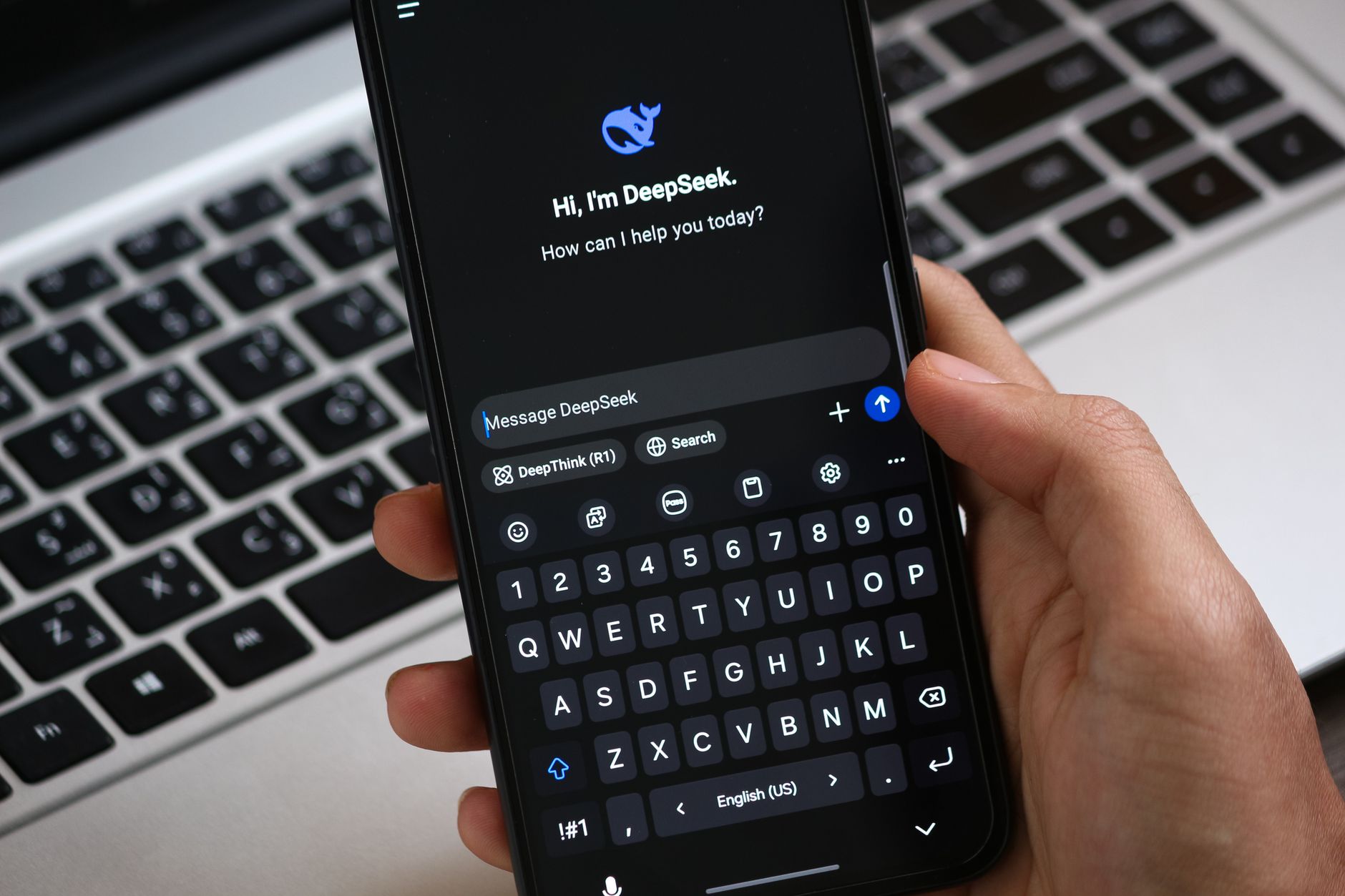
In a bold move that could redefine mobile interaction, Acti has launched a revolutionary AI-powered keyboard aimed at enhancing user experience across smartphones. By integrating AI agents directly within the keyboard, the startup is not just introducing a new tool for typing but is transforming how we communicate and operate our devices. This innovation stands at the intersection of natural language processing and user interface design, promising to make tasks simpler and more intuitive.
Key Takeaways
- Acti has developed an AI-integrated keyboard for both iOS and Android.
- The keyboard supports custom AI-powered shortcuts that utilize natural language.
- This innovation represents a significant shift towards making AI more accessible and user-friendly.
- Acti aims to enhance productivity and streamline interactions across multiple applications.
- The move indicates a broader trend of integrating AI capabilities into everyday tools.
Understanding Acti's AI Keyboard
Acti's new keyboard is not just an ordinary typing tool; it's a comprehensive AI interface that promises to bridge the gap between simple text input and advanced AI functionalities. Designed for both iOS and Android systems, the keyboard allows users to create custom shortcuts that can perform various tasks through natural language commands. This means that instead of navigating through multiple apps or menus, users can simply type a request, and the AI will execute it seamlessly.
For instance, a user could type "Schedule a meeting with John next week" and the keyboard would interact with the calendar application to set up the appointment without the user needing to manually switch between apps. This capability is powered by sophisticated natural language processing algorithms that understand context and intent, enabling a fluid interaction that was previously challenging with traditional keyboards.
Why This Matters
The introduction of Acti's AI keyboard comes at a time when mobile users are increasingly looking for ways to enhance productivity and streamline their digital lives. As smartphones become the primary devices for communication and information management, the demand for smarter, more intuitive tools grows. By embedding AI directly into the keyboard, Acti is addressing a critical pain point: the friction often experienced when switching between apps or functions.
This innovation could set a new standard for how mobile applications communicate with each other, paving the way for a more cohesive digital ecosystem. If successful, it may encourage other developers to integrate similar functionalities into their applications, leading to a more interconnected and user-friendly mobile landscape.
Background and Context
The landscape of mobile technology has evolved dramatically over the past decade. Since the launch of the first smartphones, users have seen a steady increase in the complexity and capabilities of mobile applications. With the rise of artificial intelligence, there has been a significant push to incorporate AI into everyday tasks, from virtual assistants like Siri and Google Assistant to more complex machine learning algorithms that predict user behavior.
Historically, keyboards have remained relatively static, primarily focusing on improving typing speed and accuracy. However, with the advent of AI, the potential for keyboards to become dynamic interfaces has emerged. Acti's approach reflects a growing trend where traditional user interfaces are enhanced with AI capabilities, allowing for a more personalized and efficient user experience.
Expert Analysis
Acti’s strategy to embed AI into a commonly used interface like the smartphone keyboard is both innovative and strategic. By positioning itself at the forefront of a potential paradigm shift in user interface design, Acti is tapping into several key trends in technology. First, there is a clear demand for tools that increase efficiency in a world where multitasking is the norm. The ability to command your phone through natural language directly from the keyboard can significantly reduce the time spent navigating through apps.
Furthermore, the implementation of AI in this manner could democratize access to advanced technology. Users who may not be tech-savvy can leverage the power of AI simply by using their keyboard, minimizing the learning curve associated with more complex AI applications. This approach aligns with the broader goal of making AI accessible to everyone, rather than a tool reserved for those with technical expertise.
However, there are challenges to consider. Privacy concerns may arise as users engage with AI that collects data to improve its functionalities. Ensuring that user data is handled responsibly will be crucial for Acti to build trust and maintain a loyal user base. Moreover, the accuracy of the AI's natural language processing capabilities will determine the overall effectiveness of the keyboard. If the AI misinterprets commands or provides unsatisfactory results, it could lead to user frustration rather than satisfaction.
What This Means for Users and Developers
For users, Acti’s AI keyboard offers a glimpse into the future of mobile interaction. The convenience of executing complex tasks through simple commands can enhance productivity and streamline workflows. Users will likely find themselves saving time on routine tasks, allowing them to focus on more important aspects of their day-to-day life. This can be particularly beneficial for professionals who rely heavily on their smartphones for work-related tasks.
For developers, the introduction of such technology opens up new avenues for app development. The ability to interface with a keyboard that supports custom AI shortcuts means that developers can create applications that enhance or build upon Acti's capabilities. This could lead to a new wave of applications that are not just standalone tools, but integrated systems that work fluidly together, enhancing user experience across multiple platforms.
Frequently Asked Questions
What is Acti's AI keyboard?
Acti's AI keyboard is an innovative typing tool for smartphones that integrates AI agents directly into the keyboard interface, allowing users to create custom shortcuts and execute commands using natural language.
How does it enhance productivity?
The keyboard allows users to perform tasks across multiple applications without switching apps, significantly reducing the time spent on routine tasks and enhancing overall workflow efficiency.
Is the AI keyboard available for both iOS and Android?
Yes, Acti's AI keyboard is designed to work on both iOS and Android devices, making it accessible to a wide range of smartphone users.
What are the privacy considerations with using the AI keyboard?
As with any AI technology, privacy is a critical concern. Acti must ensure that user data is handled responsibly and transparently to build trust with its customers.
The Road Ahead
Looking forward, the implications of Acti’s AI keyboard extend beyond just a new typing tool. This development could signify the beginning of a significant shift in how we interact with technology daily. As AI becomes more integrated into our devices, users can expect increasingly sophisticated tools that understand and anticipate their needs, leading to a more personalized digital experience.
Moreover, if Acti's model proves successful, it may inspire a wave of innovation in the field of user interfaces. Other companies may seek to develop similar technologies that leverage AI to simplify interactions, leading to a more interconnected ecosystem of applications and devices. The future of mobile interaction is here, and it starts with the keyboard.